Sunday, 5th April 2026

Khabor Wala Desk
Published: 5th March 2026, 11:48 PM
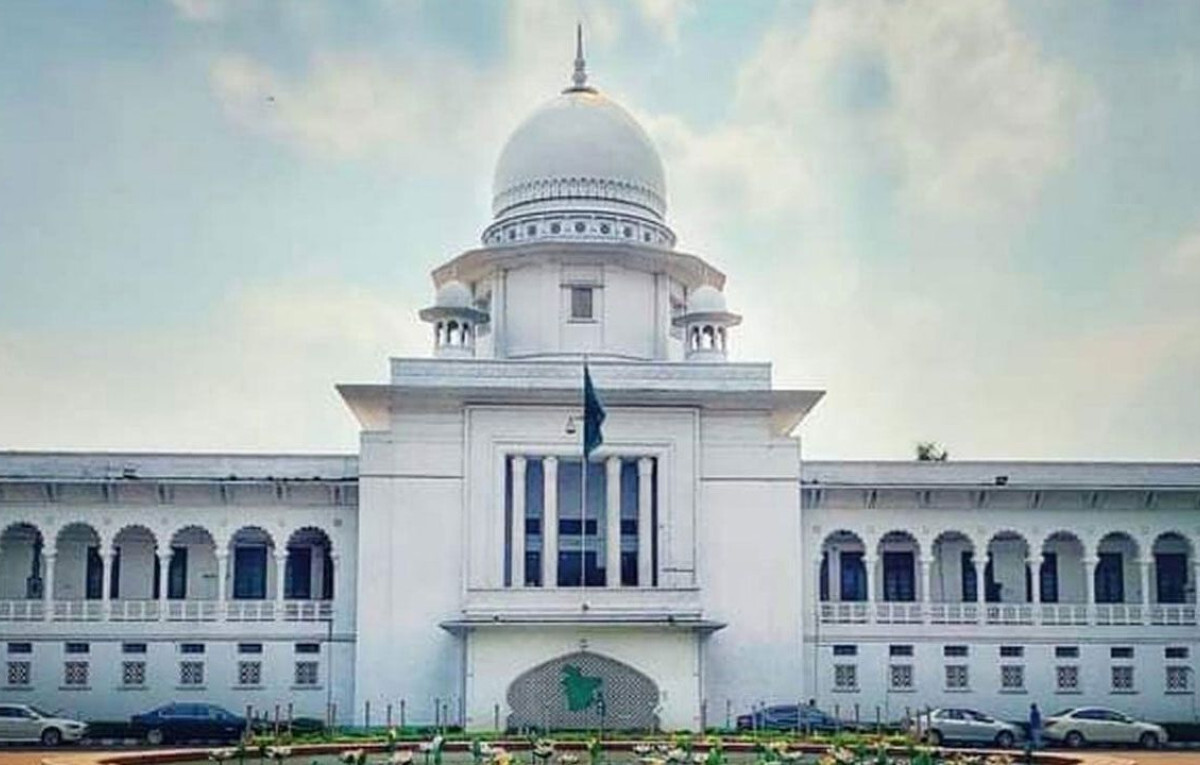
In a decisive move to salvage the ecological health of the Shitalakshya River, the High Court of Bangladesh has ordered the immediate disconnection of electricity and gas supplies to 20 industrial units operating along its banks. These factories were found to be functioning without mandatory Effluent Treatment Plants (ETPs), directly discharging untreated chemical waste into the water.
The order was passed on Thursday, 5 March 2026, by a High Court bench comprising Justice Fahmida Quader and Justice Mohammad Asif Hasan. The ruling followed a supplementary petition filed by the environmental and rights organisation, Human Rights and Peace for Bangladesh (HRPB).
Senior Advocate Manzil Murshid, representing the petitioners, argued that despite previous warnings and monitoring, these industrial entities continued to flout environmental laws. The court has now directed the Chairman of the Bangladesh Inland Water Transport Authority (BIWTA), the Director General of the Department of Environment (DoE), and the Deputy Commissioner of Narayanganj to execute the disconnection orders without delay.
The legal battle began on 6 May 2024, when the court initially issued a rule seeking a list of polluting industries and an assessment of the environmental damage caused. A subsequent report submitted by the DoE on 8 December 2025 confirmed that 20 specific factories were operating in total defiance of ETP regulations.
The identified factories include several prominent textile and dyeing mills. Below is a summary of the key entities facing utility disconnection:
| Factory Name | Industry Type | Compliance Issue |
|---|---|---|
| Khalek Textile | Textile | Lack of functional ETP |
| Leena Paper Mill | Paper Production | Industrial waste discharge |
| RSK Dyeing | Dyeing & Finishing | Chemical water pollution |
| Khan Brothers Textile | Textile | Failure to treat effluents |
| Asian Fabrics | Textile | Non-compliant waste disposal |
| Gazipur Board Mills | Manufacturing | River encroachment/pollution |
| Bismillah Knit Dyeing | Dyeing | Hazardous waste runoff |
| M/S Rubel Dyeing | Dyeing | Operation without ETP |
The High Court has set a strict deadline for the relevant authorities to implement the order. A compliance report detailing the successful disconnection of gas and electricity lines must be submitted to the court by 30 April 2026.
This ruling serves as a stern warning to the industrial belt in Narayanganj. For too long, the Shitalakshya has been treated as a dumping ground for industrial runoff, leading to oxygen depletion and the destruction of aquatic life. By targeting the “lifelines” of these factories—their energy and fuel—the judiciary is forcing a choice between environmental responsibility and operational shutdown.



Comments