Sunday, 5th April 2026

Khabor Wala Desk
Published: 7th August 2025, 1:45 PM
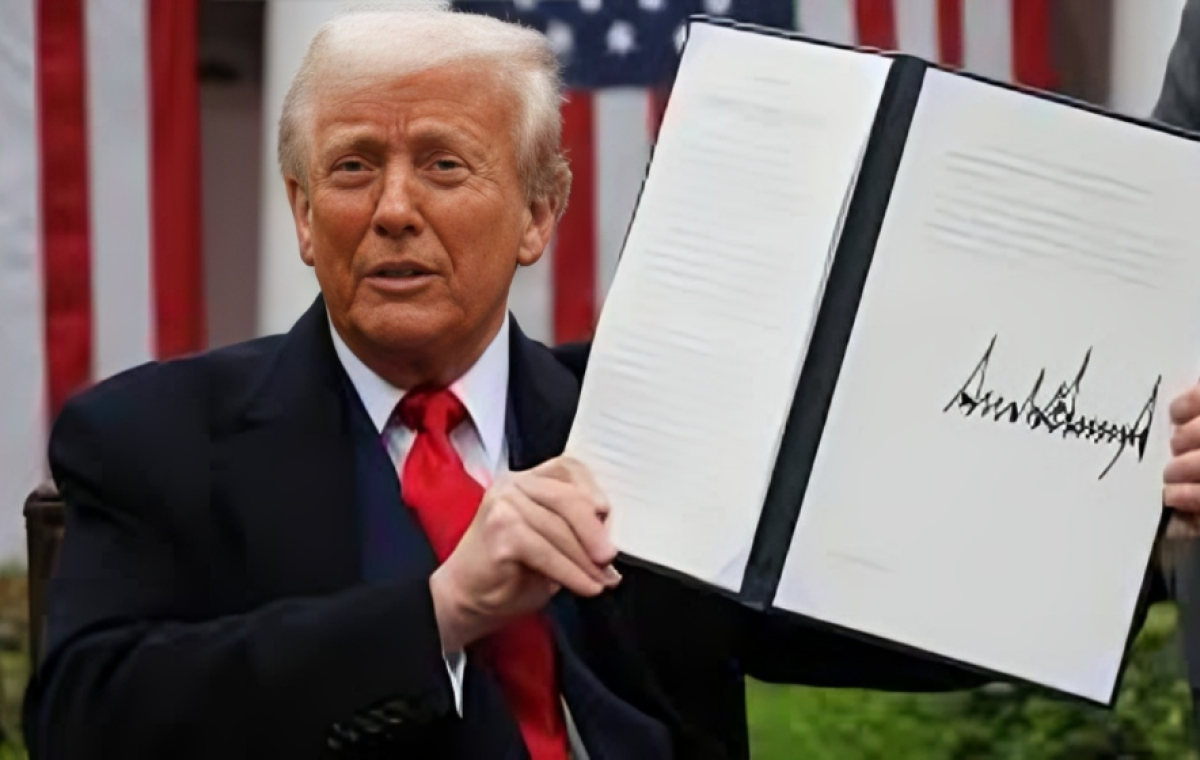
On Thursday, the United States enacted a new wave of higher tariffs, impacting dozens of countries and significantly elevating risks tied to President Donald Trump’s expansive global trade strategy.
What Changed: Tariff Adjustments
An executive order signed last week raised tariffs on many imports from 10% to between 15% and 41%. Breakdown by region:
These reciprocal duties are part of Trump’s continuing efforts to rebalance trade by penalising what his administration considers unfair practices.
| Region / Country | New Tariff Rate | Timetable for Increase |
| EU / Japan / S Korea | 15% | Immediate |
| India | 25% → 50% | Increment in 3 weeks |
| Syria / Myanmar / Laos | 40–41% | Immediate |
Sector-specific tariffs—on items such as steel, autos, pharmaceuticals, and semiconductors—remain under separate regulations.
Strategic Developments: Chips, Cars, and Trade Deals
Industry insiders warn that these elevated import duties will disadvantage smaller American businesses and may contribute to inflationary pressure over time.
Georgetown trade policy expert Marc Busch forecasts that companies will eventually pass most of the cost to consumers:
“As back‑to‑school season nears, higher prices could become politically charged.”
Compliance and Carve-Out Demands
Several countries continue to seek exemptions under negotiations. For example:
Emerging Trade Fronts
President Trump expanded tariff targets this week:
Broader Implications
These sweeping tariffs are subject to legal scrutiny, with lawsuits challenging the extent of the executive’s use of emergency powers. Courts may ultimately rule on these measures at the US Supreme Court.
As trade dynamics tighten and import costs rise, economies worldwide are bracing for the fallout from one of the most substantial tariff rollouts in recent US history.




Comments