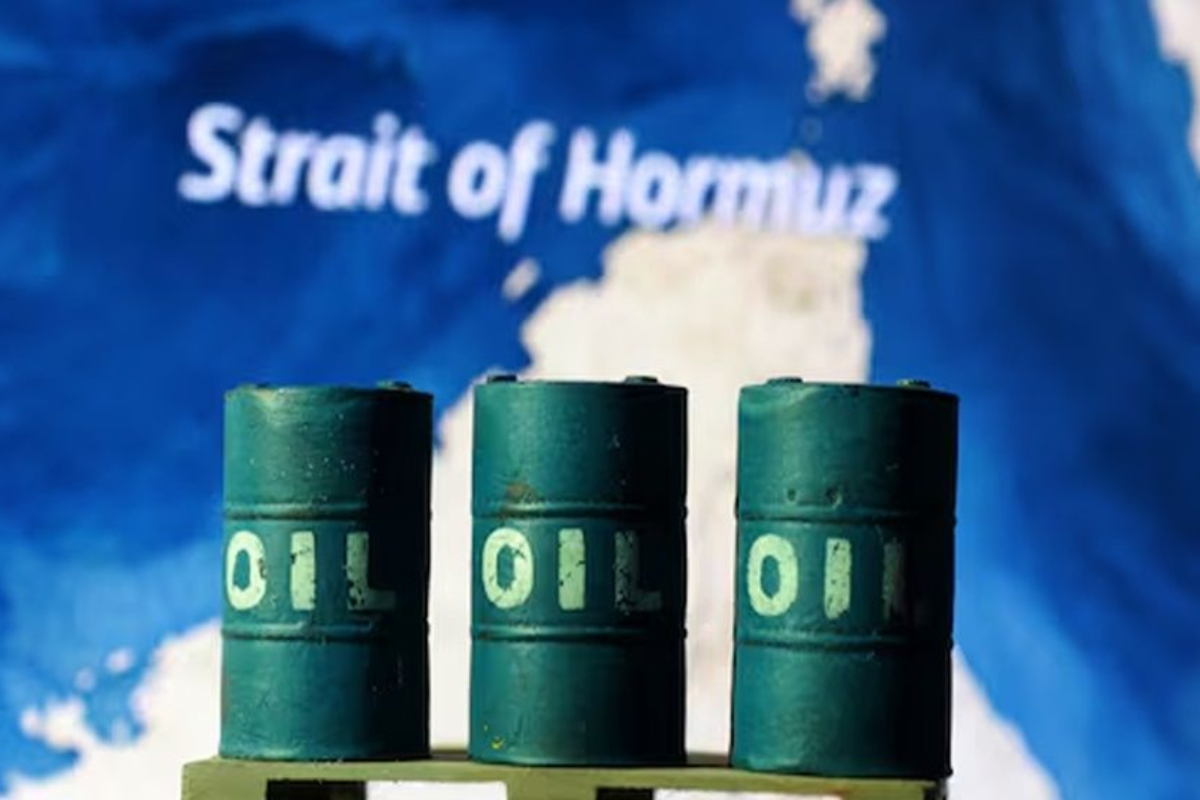
The United States’ reported decision to impose a blockade on the strategically vital Strait of Hormuz, following the collapse of negotiations with Iran, has triggered widespread concern over the stability of global energy markets and the risk of a broader geopolitical escalation.
According to reports, US President Donald Trump authorised the move after talks with Iranian representatives failed to produce any agreement. Washington had reportedly demanded concessions from Tehran, including the reopening of the Strait and the abandonment of its nuclear programme—demands Iran firmly rejected.
If fully implemented, the blockade would aim to cut off Iran’s ability to export oil, thereby significantly reducing its energy revenues. However, analysts warn that the economic and geopolitical consequences could be severe, potentially destabilising global markets and deepening international tensions.
Oil Market Shock and Escalating Tensions
The Strait of Hormuz is one of the world’s most critical energy transit routes, with a substantial share of global crude oil shipments passing through it daily. Even partial disruption has historically led to sharp price volatility.
| Period |
Brent Crude Price (Approx.) |
| Before conflict escalation |
~$70 per barrel |
| Latest recorded level |
~$102 per barrel |
According to market observers, renewed restrictions or a full blockade could push prices significantly higher, intensifying inflationary pressures worldwide.
A recent analysis cited by international media, including CNN, noted that diplomatic talks held in Islamabad last Friday ended without progress, further hardening positions on both sides. The failure of negotiations has been interpreted as a setback for Washington’s broader strategy to compel concessions through economic and military pressure.
Escalation Risks and Strategic Calculations
Tensions in the region have already been high since late February, when joint US–Israeli military operations targeted Iranian positions. In response, Iran imposed restrictions on maritime traffic through the Strait, disrupting shipping routes and contributing to a surge in global energy prices.
Following a brief unilateral ceasefire declared by President Trump after 40 days of conflict, attempts at diplomatic engagement resumed. However, the latest breakdown in talks has now been followed by the reported decision to enforce a blockade.
Iran has strongly condemned the move, reiterating its claim to control and regulate passage through the Strait, including demands for recognition of its authority to collect transit tolls.
Economic and Diplomatic Fallout
While the US move is intended to restrict Iran’s oil export capacity, analysts caution that the strategy carries substantial risks.
Key concerns include:
- Global inflationary pressure driven by rising oil prices
- Strain on US domestic economy, with inflation reportedly rising by nearly 1% within a month of earlier disruptions
- Risk to allied economies, particularly Japan and European states heavily dependent on Gulf energy imports
- Potential maritime confrontations, increasing the likelihood of military escalation and casualties
- Rising tensions with China, should Chinese vessels be affected by restrictions
The diplomatic dimension is also increasingly fragile. Washington has invested significant political capital in maintaining dialogue with Beijing, including preparations for a high-level summit between President Trump and Chinese President Xi Jinping. That engagement had already been delayed due to earlier hostilities in the region.
Wider Humanitarian and Global Impact
International organisations have also warned of broader humanitarian consequences. A Guardian report cited United Nations estimates suggesting that ongoing instability linked to the conflict has already pushed more than 30 million people worldwide closer to poverty due to rising food and energy costs.
If maritime restrictions escalate further, experts warn that global supply chains, particularly in energy-dependent developing economies, could face severe disruption.
Outlook
The proposed US blockade of the Strait of Hormuz represents one of the most significant geopolitical escalations in recent years. While aimed at weakening Iran’s economic position, it risks triggering a chain reaction affecting global markets, diplomatic relations, and regional security.
As tensions mount, the international community faces growing uncertainty over whether the situation can be contained through diplomacy—or whether it is heading towards a broader and more destabilising confrontation.




Comments