Sunday, 5th April 2026

Khabor Wala Desk
Published: 5th March 2026, 1:04 AM
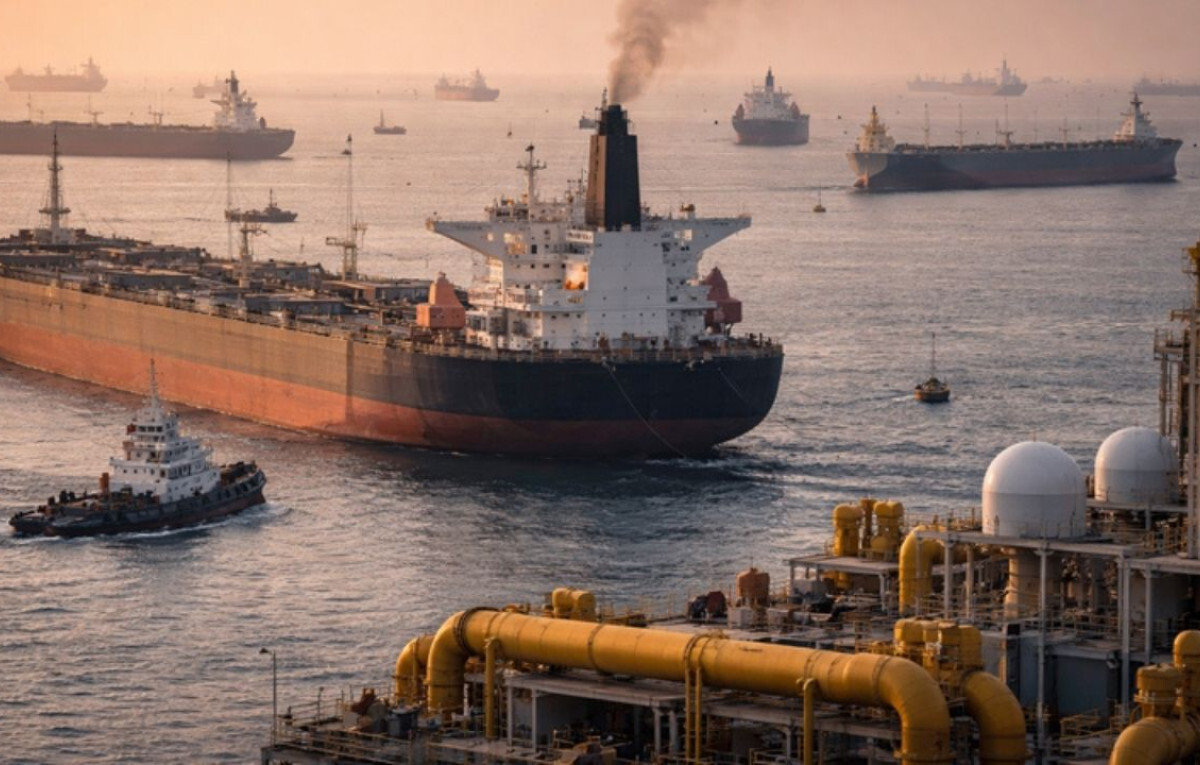
The escalating military volatility surrounding the Strait of Hormuz has fundamentally reshaped the economics of global shipping. As security risks intensify in this vital maritime chokepoint, the industry is grappling with a dramatic spike in charter rates and a surge in “war-risk” insurance premiums. This financial turbulence threatens to destabilise international trade and exert significant inflationary pressure on global energy markets.
The maritime insurance sector, particularly the hubs in London, has reacted swiftly to the threat of kinetic strikes or ship seizures. Marine insurance is typically bifurcated into standard “Hull and Machinery” coverage and specialised “War-Risk” coverage. Due to the recent hostilities, underwriters have designated the Persian Gulf and its approaches as high-risk “Listed Areas.”
According to the insurance consultancy Marsh, the financial burden on shipowners is becoming unsustainable. Previously, war-risk premiums for the Gulf were approximately 0.25% of a vessel’s replacement value. Current projections suggest a minimum increase of 50%, pushing rates toward 0.375% or higher per voyage. For a high-value asset like a modern tanker, this represents an additional overhead of hundreds of thousands of pounds for a single transit.
| Vessel Type | Replacement Value | Pre-Crisis Premium (0.25%) | Projected Premium (0.375%+) | Additional Cost |
|---|---|---|---|---|
| VLCC (Oil Tanker) | $120,000,000 | $300,000 | $450,000 | +$150,000 |
| LNG Carrier | $200,000,000 | $500,000 | $750,000 | +$250,000 |
| Suezmax Tanker | $80,000,000 | $200,000 | $300,000 | +$100,000 |
The impact extends beyond mere price hikes. Underwriters are increasingly issuing “Notice of Cancellation” clauses, allowing them to reset terms every seven days to reflect the rapidly changing security environment. Insurers are also demanding stricter operational compliance, including:
Enhanced Radio Vigilance: Continuous contact with the US-led Joint Maritime Information Centre.
Transponder Policies: Strict protocols regarding the use of Automatic Identification Systems (AIS).
Route Adjustments: Mandating vessels stay within specific protected corridors.
The fiscal strain is compounded by physical delays. Currently, over 150 oil and LNG tankers are anchored in the vicinity of the Strait, awaiting safe passage or updated insurance clearances. Major shipping lines are taking a cautious stance, with many opting to wait at a safe distance in the Arabian Sea rather than risk entering the Gulf without guaranteed indemnity.
The United Arab Emirates (UAE) finds itself under immense pressure as a regional transshipment hub. While the UAE can bypass the Strait for some oil exports via the Habshan-Fujairah pipeline, its major ports like Jebel Ali remain vulnerable to the broader maritime slowdown. With roughly one-fifth of the world’s oil passing through Hormuz, these insurance and freight hikes act as an invisible tax on the global consumer, threatening to drive up petrol prices and manufacturing costs worldwide.




Comments