Sunday, 5th April 2026

Khabor Wala Desk
Published: 4th October 2025, 10:36 AM
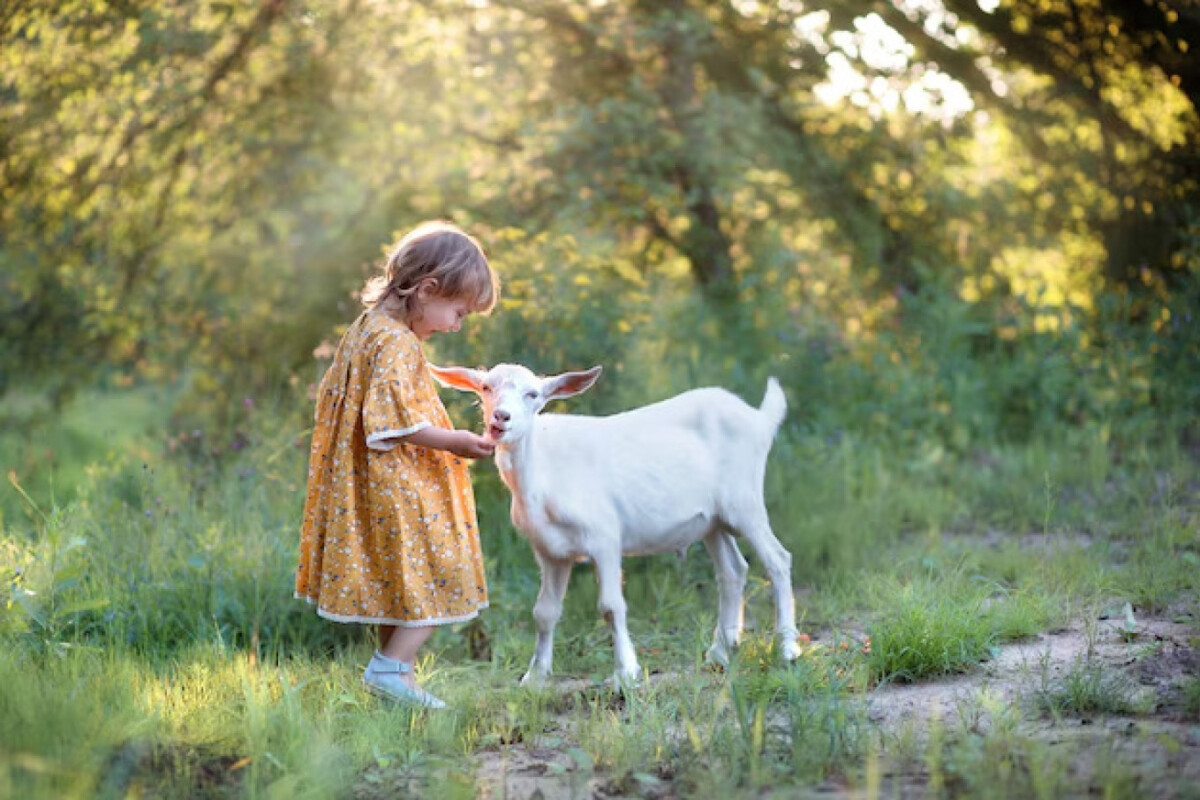
Many of us keep animals in our homes, while others prefer to maintain distance due to concerns about germs. However, the presence of pets can profoundly influence human immune function. Contrary to popular belief, having pets does not increase the risk of disease; rather, research suggests it may reduce susceptibility to allergies, eczema, autoimmune conditions such as type 1 diabetes, and even thyroid disorders.
The Amish, who migrated from Central Europe to North America in the 18th century, are renowned for their unique lifestyle. They lead simple lives, raise livestock for dairy, and use horse-drawn carriages, following centuries-old traditions while prioritising family and community over modern technology.
In the past decade, medical researchers have shown interest in the Amish lifestyle because, despite the global rise of asthma, eczema, and allergy-related diseases since the 1960s, these conditions are rare among the Amish.
The underlying reason appears to involve both the human immune system and the presence of animals in early life, which exposes individuals to a variety of microbes that stimulate immunity.
In 2012, researchers studied children from the Amish community in Indiana and compared them with Hutterite children in South Dakota, another agrarian community. Blood samples from 30 children in each group were collected.
| Feature | Amish | Hutterites |
| Community lifestyle | Traditional, farm-based, minimal modern technology | Industrialised farming, more adoption of modern tech |
| Exposure to animals | High, animals live close to homes | Limited, farms often several miles away |
| Incidence of asthma & allergies | Low | 4–6 times higher than Amish children |
The study revealed that Amish children, who live in close contact with animals and their microbes from birth, have more active T-cells, which play a crucial role in immune function.
Researchers collected dust samples from homes in both communities to analyse microbial content. The findings indicated that Amish children were exposed to a greater variety of microbes, likely from the animals in their environment.
Professor Jack Gilbert of the University of California, San Diego, co-founder of the American Gut Project, explained:
“This is not a universal cure. Some may develop allergies despite exposure. But consistent contact with farm animals can significantly lower the chances of asthma or allergic conditions.”
Recent research has also shown that children genetically predisposed to eczema benefit from early exposure to pets. In a study of nearly 280,000 individuals, children carrying the IL-7 receptor gene variant (a risk factor for eczema) who spent their first two years with a dog had reduced eczema risk.
Laboratory studies confirm that molecular signals from dogs can suppress skin inflammation, enhancing immune responses. However, researchers caution that introducing pets to children already suffering from eczema could exacerbate symptoms.
Exposure to pets may enhance immunity by modifying the human microbiome. Microbes from pet fur, paws, and dander temporarily colonise the skin and mucous membranes, helping the immune system recognise and respond to pathogens more effectively.
Professor Nasia Safdar of the University of Wisconsin notes that the concept has sparked interest in the pet food industry, potentially leading to products that increase beneficial bacteria in both pets and humans.
Professor Gilbert adds: “Humans co-evolved with animals for millennia. Our immune systems learned to recognise microbial signals from domestic animals. While these microbes do not permanently colonise the human body, they stimulate immune development, improving defence mechanisms.”
Similar studies worldwide reinforce the link between pets and immunity:
| Region / Community | Findings |
| Alpine farms | Children exposed to farm animals had lower rates of asthma, hay fever, eczema |
| Irish Travellers | Retained ancient microbiome, lower autoimmune disease rates |
| Indigenous groups (Fiji, Madagascar, Mongolia, Peru, Tanzania) | Microbiome sequencing shows similarity to pre-industrial human microbiomes |
Professor Fergus Shanahan from University College Cork notes that these findings may explain lower autoimmune disease rates in these populations.
Experimental studies also suggest that introducing pets into children’s environments can boost gut microbiota diversity and enhance immune function:




Comments