Sunday, 5th April 2026

Khabor Wala Desk
Published: 4th February 2026, 11:54 AM
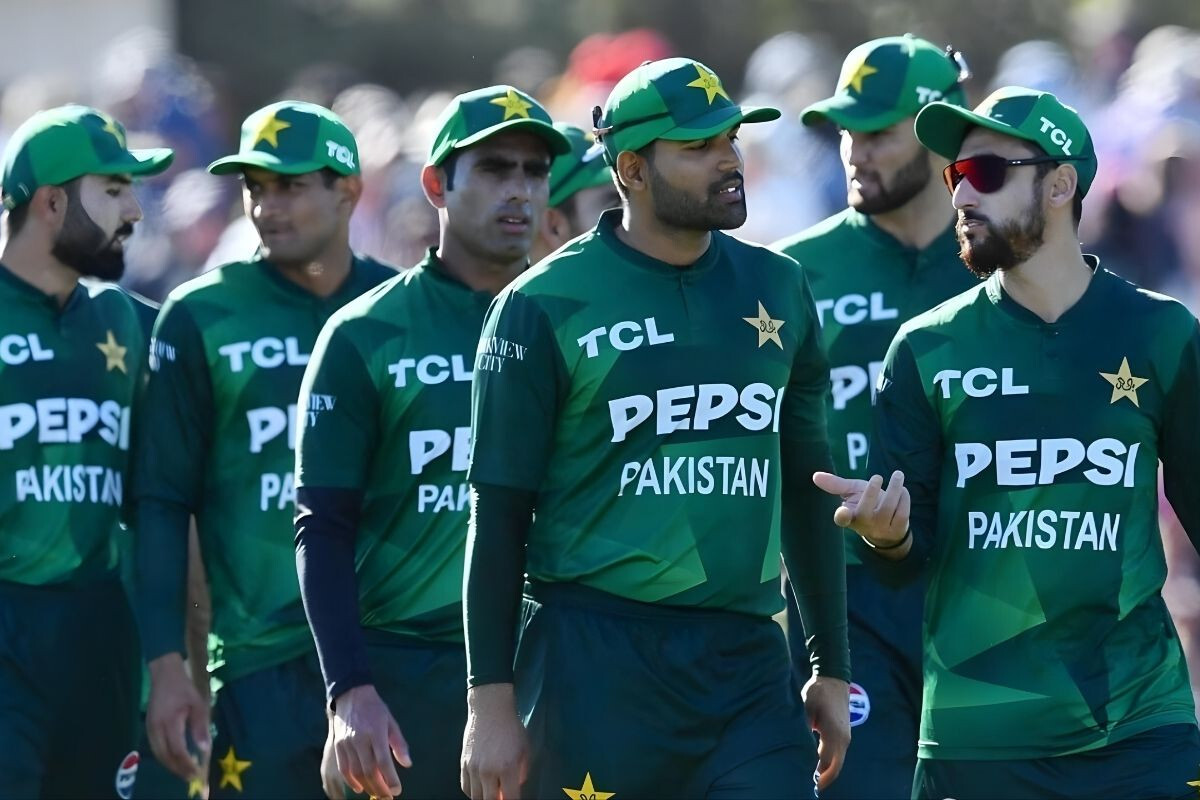
Pakistan’s decision to boycott its high-profile clash against India in the 2026 ICC T20 World Cup has triggered a major legal and financial alarm for the Pakistan Cricket Board (PCB). The International Cricket Council (ICC) has issued a stern warning, noting that failure to play the match could prompt official broadcasters, including GeoStar, to pursue legal action.
Sources indicate that the PCB, following government directives, resolved on 15 February in Colombo not to field a team against India. However, the official reasons for this decision have yet to be formally communicated to the ICC in writing, leaving procedural uncertainties unresolved.
According to the Press Trust of India (PTI), insiders within the PCB have suggested that boycotting the India fixture could cost Pakistan an estimated USD 35 million from its annual ICC revenue share. This figure could be used to compensate broadcasters for contractual breaches, potentially compounding the board’s financial exposure.
A PCB official told PTI, “If Pakistan does not reconsider its stance, the board could face not only substantial financial penalties but also litigation from broadcasters. Even if the matter reaches the ICC Dispute Resolution Committee (DRC), the prospects of securing a favourable outcome appear slim.”
The significance of the India-Pakistan fixture cannot be overstated. Under a four-year broadcasting agreement, matches between these arch-rivals were treated as marquee events, commanding higher remuneration due to expected global viewership. The potential cancellation thus threatens to undermine the contractual framework established for the tournament.
| Aspect | Estimated Impact |
|---|---|
| Annual ICC revenue share reduction | USD 35 million |
| Potential broadcaster compensation | Negotiable based on contract |
| Legal exposure | High, including potential DRC arbitration |
| Tournament impact | Significant, given match’s commercial and viewer draw |
The tenth edition of the T20 World Cup began on Saturday, 7 February. Both India and Pakistan are placed in the same group, but the uncertainty surrounding their encounter has already cast a shadow over the tournament. Analysts warn that the absence of such a high-profile match could affect television ratings, sponsorship revenue, and overall tournament narrative.
While the PCB has yet to issue an official written statement to the ICC, the global cricket community is closely monitoring developments. Any escalation could have long-term implications not only for Pakistan’s cricketing finances but also for the broader integrity and commercial stability of international cricket tournaments.



Comments