Sunday, 5th April 2026

Khabor Wala Desk
Published: 25th October 2025, 5:34 AM
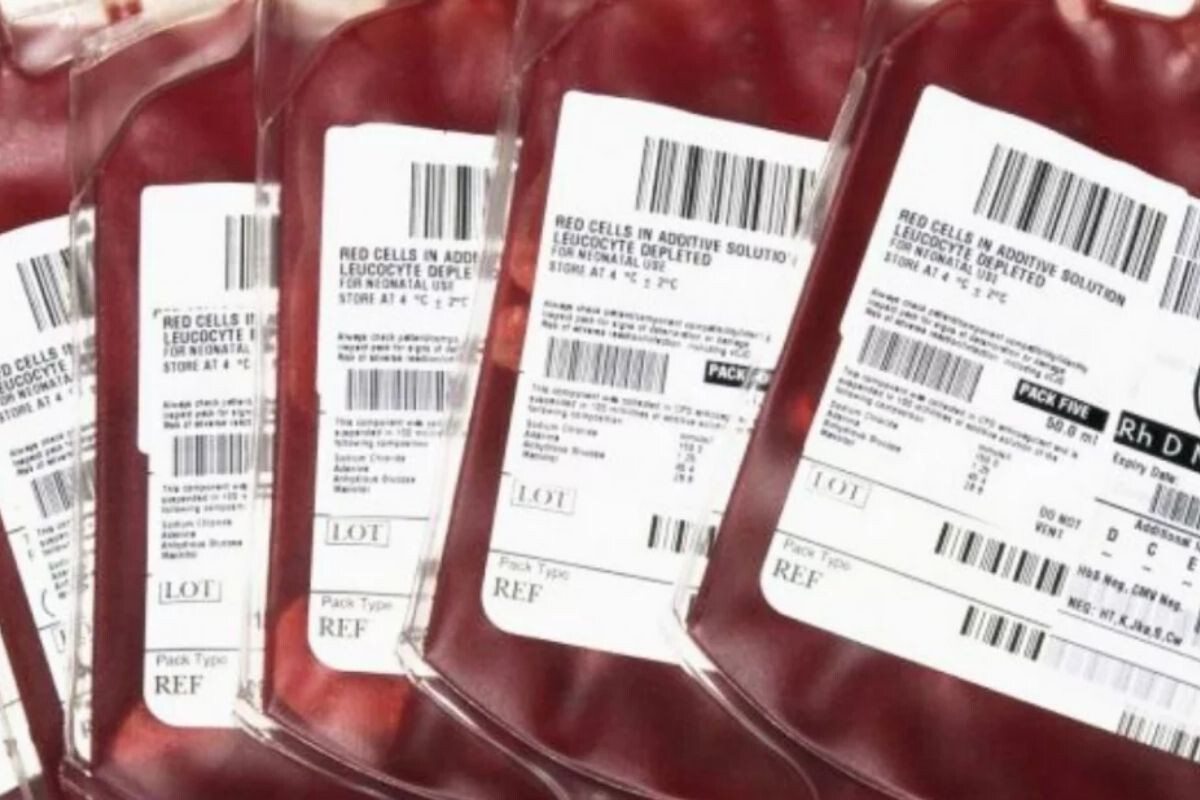
Across the capital and other parts of the country, the illegal trade of blood through blood banks has emerged as a major concern. Due to the lack of adherence to government regulations in the collection and supply of blood, patients are facing dangerous situations. Many private blood banks are reportedly violating health protocols, with allegations of mixing normal saline with a single bag of blood to create multiple bags for sale.
According to the Directorate General of Health Services (DGHS), there are a total of 452 blood banks in the country, including those in government and private hospitals. However, there are several times more illegal blood banks operating without proper authorization. Many of these banks open without formal approval and sell blood openly. In the capital and other regions, blood bank signboards are seen not only near hospitals but also in narrow lanes.
Experts emphasize that when a patient requires blood, it is imperative that only safe blood is supplied. Blood provided without government approval or in violation of regulations greatly increases the risk of infectious diseases. Most private blood banks rely on professional donors, many of whom are drug addicts and infected with syphilis, gonorrhea, HIV/AIDS, and Hepatitis B and C viruses. Transfusing blood from such donors poses a high risk of life-threatening infections to patients.
Government regulations mandate that before collecting blood, it must be tested for Hepatitis B, C, and HIV to ensure safety. Only after confirming the blood is safe, crossmatching and blood group compatibility checks must be performed before transfusion to the patient. Registration is mandatory for private blood banks, and obtaining blood from unregistered banks is extremely dangerous.
In government medical college hospitals, blood is supplied according to these protocols. However, outside the hospitals, brokers are highly active. They entice patients away from government blood banks, influencing them not to use the regulated sources. Especially in government and private hospitals in the capital, middle- and lower-income patients often fall prey to these brokers and end up purchasing blood from professional donors infected with contagious and potentially fatal diseases.
Dr. Enamul Karim, a specialist at Mohakhali Gastro-Liver Institute, said, “Professional donors’ blood carries a high risk of infectious diseases. Blood transfused following government protocols is safe.”
Dermatology and venereology expert Professor Dr. M. N. Huda stated, “Testing for Hepatitis B, C, and HIV is mandatory. Private blood banks should be regularly monitored. Trading in professional donors’ blood is extremely risky.”
Professor Dr. Kabir Chowdhury added, “Blood provided through registered blood banks following government protocols is safe.”
Professor Dr. Golam Kibria of Gastro-Liver Institute noted, “Any violation of the protocol poses risks to patients.”
Brigadier General Md. Asaduzzaman, Director of Dhaka Medical College Hospital, said, “This 2,600-bed hospital treats over four thousand patients. Blood demand is high, so there is a dedicated collection point next to the gynecology operation theater where relatives can quickly donate blood. There is no need to purchase blood from outside sources.”
A DGHS official reported that, although instructions exist for regular monitoring of blood bank activities outside Dhaka by the divisional health director offices and district civil surgeons, these have not been implemented. As a result, dangerous blood trading continues unabated.


Comments