Sunday, 5th April 2026

Khabor Wala Desk
Published: 27th January 2026, 6:17 AM

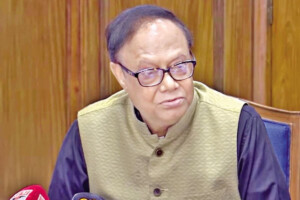
A.K. Azad, Chairman and Managing Director of Ha-Meem Group, has voiced deep concern over the current state of Bangladesh’s economy and banking sector, highlighting the alarming social and economic impact of a stagnating industrial sector.
Speaking at the opening session of the Bangladesh Economic Conference 2025 on Saturday, 29 November, Azad revealed that nearly 1.4 million people have lost their jobs due to the slowdown in the industrial sector, leaving them unemployed and struggling to find new opportunities.
He emphasised that approximately 3 million new entrants join the country’s labour market every year. However, due to the insufficient creation of industrial employment, these new entrants face limited opportunities, which is rapidly contributing to the rise in the national unemployment rate.
Referring to the latest bulletin from Bangladesh Bank, Azad noted that the country’s GDP growth reached 4.22% in the last fiscal year, but is projected to slow to 3.97% in the current fiscal year. He stressed that this decline reflects the mounting pressures within the economy, warning of broader consequences if industrial investment and production do not recover.
Azad also raised concerns about the banking sector, describing the situation as “worrying”. He highlighted that the non-performing loan (NPL) ratio has climbed to 24%, though he believes the actual figure may be even higher. This trend, he said, poses significant risks to both financial stability and industrial financing.
Focusing on the private sector, he pointed out that the tight monetary policy of Bangladesh Bank has led to higher interest rates, directly limiting the flow of credit to industries. “We are currently receiving loans at only 6%, which is insufficient for industrial expansion,” Azad remarked.
He further warned that industrialisation in Bangladesh has slowed dramatically. A lack of new enterprises is constraining trade and business development. Illustrating the sector’s distress, he noted that capital machinery imports fell last year and have declined a further 26% this year, signalling a severe slowdown in industrial growth.
Key Economic Indicators
| Indicator | Previous Fiscal Year | Current Fiscal Year (Projected) | Notes |
|---|---|---|---|
| GDP Growth | 4.22% | 3.97% | Slowing growth reflects economic pressures |
| New Labour Market Entrants | 3,000,000 | 3,000,000 | Yearly influx, limited job creation |
| Job Losses in Industry | — | 1,400,000 | Due to industrial slowdown |
| Non-Performing Loan Ratio | — | 24% | Actual figure likely higher |
| Interest Rate on Loans | — | 6% | Insufficient for industrial needs |
| Capital Machinery Imports | — | Down 26% YoY | Indicates declining industrial investment |
Azad concluded by stressing the urgent need for policy measures to stimulate industrial growth, create jobs, and ensure the stability of both the financial and real sectors of the economy. Without immediate intervention, the country risks a deepening industrial crisis, rising unemployment, and slower economic development.


Comments