Sunday, 5th April 2026

Khabor Wala Desk
Published: 4th April 2026, 9:55 AM
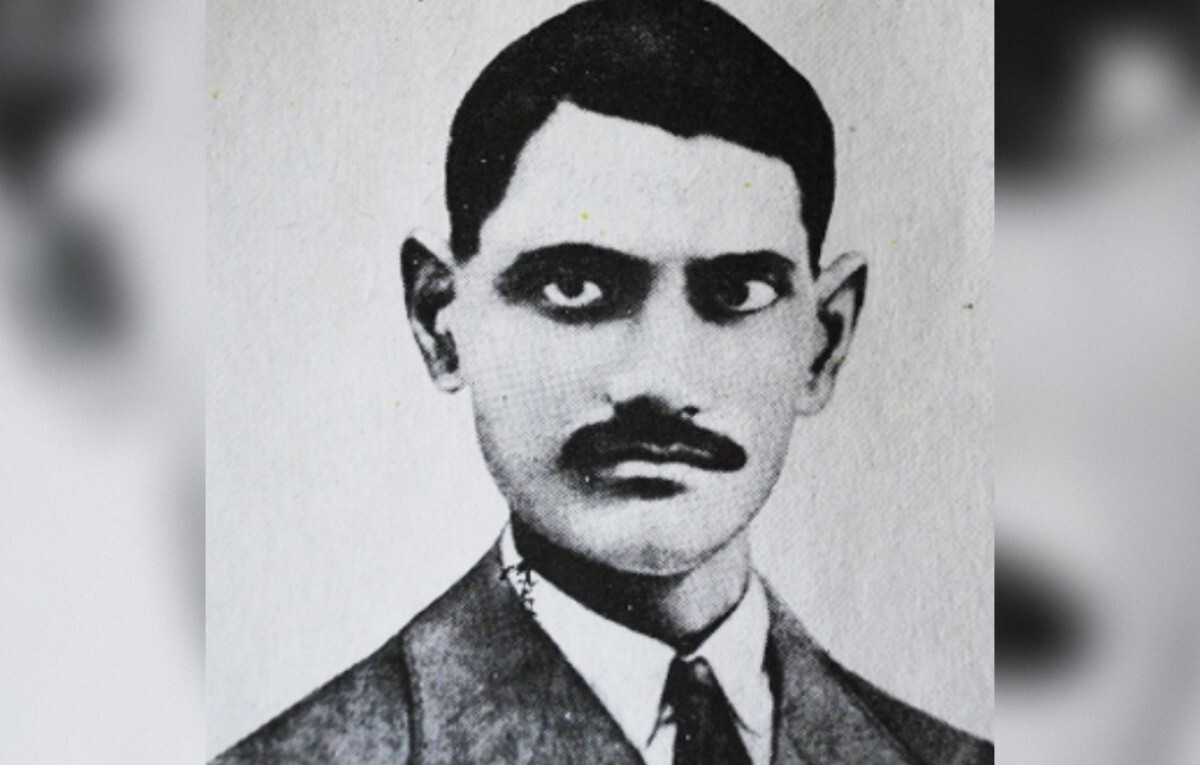
4 April stands as a solemn and poignant day in history. On this day in 1971, amid the turbulence of the Bangladesh Liberation War, the distinguished Ayurvedic scholar and educator Yogesh Chandra Ghosh was martyred. He was brutally shot by the Pakistani occupation forces in front of the headquarters of his own established institutions, Sadhana Oushadhalaya, located in Gendaria, Dhaka.
Born in 1887 in Gosairhat, Shariatpur, Yogesh Chandra Ghosh was raised in a nurturing and value-driven environment by his father, Purnachandra Ghosh. From an early age, he demonstrated exceptional academic promise. He passed the Entrance examination from K. L. Jubilee School in 1902 and completed his F.A. from Jagannath College in 1904. He went on to earn his B.A. from Cooch Behar College and later achieved an M.A. in Chemistry from University of Calcutta in 1908.
Choosing teaching as his lifelong vocation, he began his academic career at Bhagalpur College (1908–1912) and subsequently served for many years at Jagannath College as a professor of Chemistry. His tenure culminated in his role as Principal during 1947–48, where his wisdom, discipline, and compassion profoundly inspired generations of students.
Even after retirement, his pursuit of knowledge and service did not cease. He was honoured as a Fellow of the London Chemical Society and a member of the American Chemical Society, marking his recognition on the global stage.
Beyond academia, Yogesh Chandra Ghosh was a devoted humanitarian. He authored numerous works on diseases, their causes, symptoms, and Ayurvedic treatments. Firmly believing in affordable healthcare through indigenous resources, he founded Sadhana Oushadhalaya in 1914 in Gendaria. What began as a vision grew into a legacy, as his herbal medicines—derived from local plants—earned acclaim both at home and abroad.
His life was guided by a singular mission: alleviating human suffering. Although his physical life was tragically cut short in 1971, his ideals, contributions, and spirit of service continue to endure.
On his death anniversary, we remember him with the deepest respect and reverence.


Comments