Sunday, 5th April 2026

Khabor Wala Desk
Published: 30th March 2026, 8:48 AM
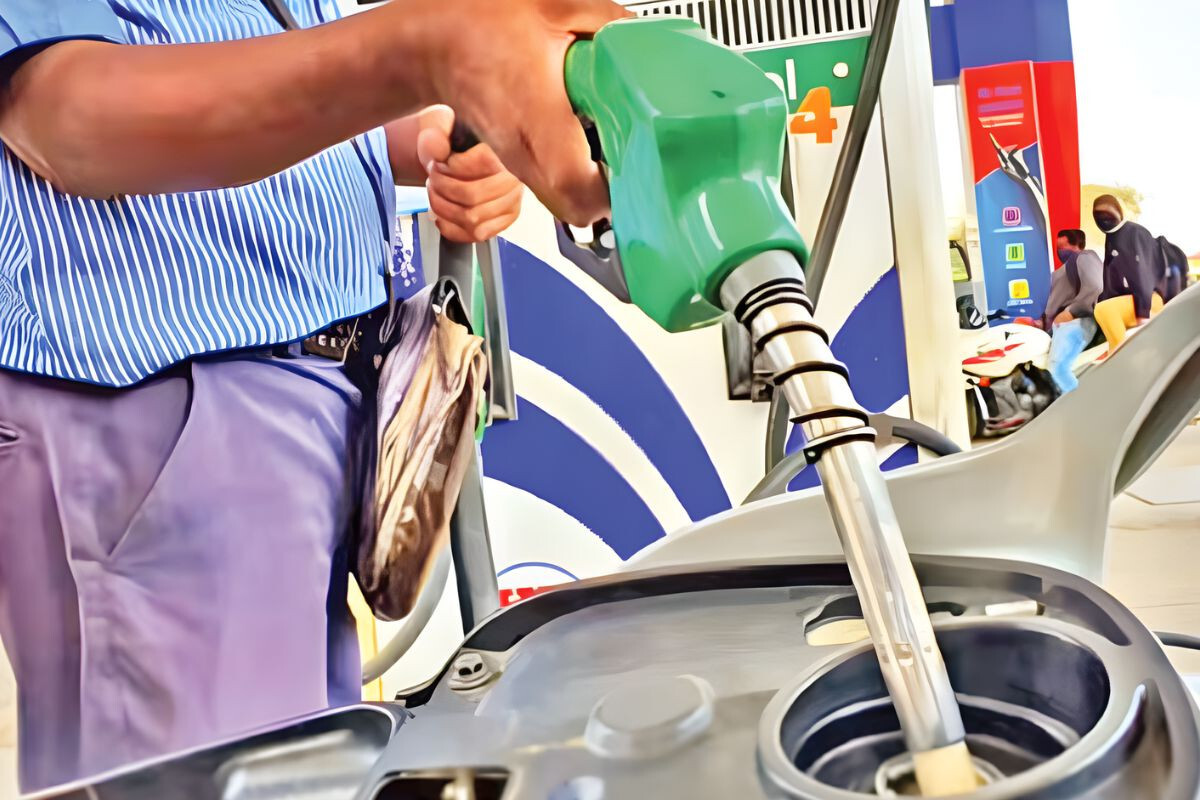
India has sharply reduced excise duties on petrol and diesel in an effort to contain rising inflation driven by surging global crude oil prices and renewed geopolitical tensions in the Middle East. The move comes as the country—one of the world’s largest importers of crude oil—faces mounting pressure on its energy import bill amid disruptions in key shipping routes.
The decision follows a steep rise in international oil prices, which have climbed above 100 US dollars per barrel after heightened instability in the Strait of Hormuz. Nearly 40 per cent of India’s crude oil imports transit through this strategic chokepoint, underscoring the country’s vulnerability to supply shocks.
In a late-night notification issued by the Ministry of Finance, the excise duty on petrol has been reduced from 13 rupees per litre to 3 rupees, while the levy on diesel has been cut from 10 rupees per litre to zero. The government has not yet disclosed the estimated revenue loss arising from these reductions.
According to Oil Minister Hardeep Singh Puri, state-run fuel retailers have been absorbing significant under-recoveries due to elevated global prices. He noted that petrol sales were incurring losses of around 24 rupees per litre, while diesel losses stood at approximately 30 rupees per litre. The tax adjustment, he suggested, would ease pressure on oil marketing companies and stabilise retail pricing.
Economists at Emkay Global, including Madhavi Arora, estimate that the policy could result in an annual revenue loss of about 1.55 trillion rupees. However, it may also offset 30–40 per cent of the losses currently borne by fuel retailers, thereby improving sectoral balance sheets.
The timing of the announcement is politically sensitive, coming ahead of elections in four states and one union territory scheduled for next month, when fuel price fluctuations are known to influence voter sentiment.
At the same time, the government has introduced compensatory export duties, imposing 21.5 rupees per litre on diesel exports and 29.5 rupees per litre on aviation turbine fuel exports. These measures aim to discourage overseas shipments and ensure sufficient domestic supply.
Data from the previous fiscal cycle indicate that India exported around 14 million metric tonnes of petrol and 23.6 million tonnes of diesel between April and January. However, many refiners have since scaled back exports in response to tighter domestic policy conditions. The country’s largest private refiner, Reliance Industries, remains a key player in fuel exports.
Finance Minister Nirmala Sitharaman has assured that domestic fuel availability will remain stable and that measures are in place to prevent any shortage of petrol, diesel, or aviation fuel.
India, the world’s third-largest crude importer, continues to rely heavily on external energy supplies, making its economy particularly sensitive to global price volatility and geopolitical disruptions.
| Category | Previous Rate (₹/litre) | New Rate (₹/litre) | Change |
|---|---|---|---|
| Petrol excise duty | 13 | 3 | -10 |
| Diesel excise duty | 10 | 0 | -10 |
| Diesel export tax | — | 21.5 | New levy |
| Aviation fuel export tax | — | 29.5 | New levy |
The government’s latest intervention reflects a balancing act between inflation control, fiscal revenue considerations, and political timing, as global energy markets remain highly unstable.



Comments