Sunday, 5th April 2026

Khabor Wala Desk
Published: 20th October 2025, 9:32 AM
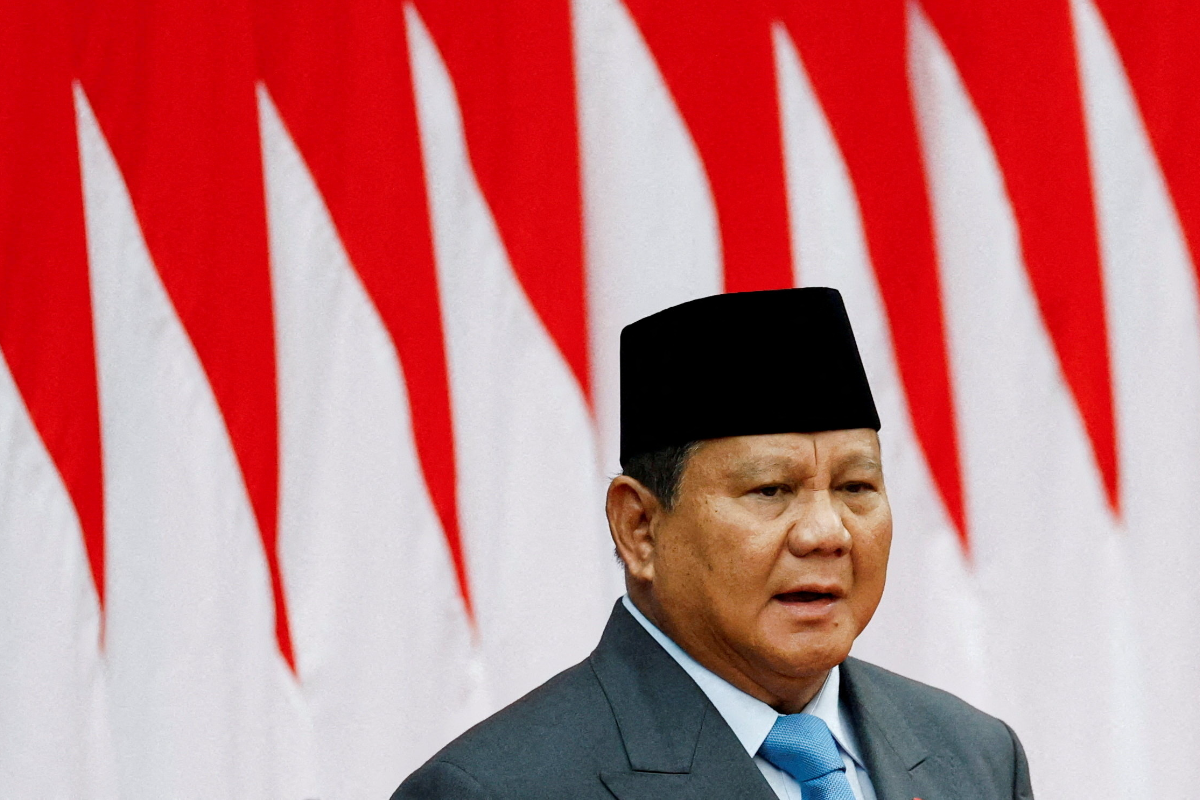
Indonesia is losing more than $2 billion (approximately 40 trillion rupiah) every year to illegal tin mining and smuggling, President Prabowo Subianto revealed on Monday, describing the situation as a long-running drain on the nation’s wealth and development.
Speaking to reporters, the president emphasised that illicit mining operations, particularly concentrated in the Bangka-Belitung Islands, have continued for nearly two decades, costing the state an estimated $48.2 billion in total losses.
“There are still many illegal mines. The losses are quite significant — estimated at 40 trillion rupiah per year — and this has been going on for almost 20 years,”
President Prabowo said.
The Scale of the Loss
| Category | Details |
| Annual loss from illegal mining | 40 trillion rupiah (≈ $2.4 billion) |
| Estimated total loss over 20 years | 800 trillion rupiah (≈ $48.2 billion) |
| Primary region affected | Bangka-Belitung Islands |
| Primary metal involved | Tin — used in electronics, glass, and other industries |
Prabowo questioned what Indonesia could have achieved with such vast lost resources, highlighting how the recovered funds could have built national infrastructure, education, and healthcare facilities.
“Over 20 years, that’s 800 trillion rupiah. What could we build with that? What kind of country could we build with such resources?” he remarked.
The president confirmed that the military has been deployed to support ongoing efforts to dismantle illegal mining and smuggling operations. Earlier this month, Prabowo personally visited the Bangka-Belitung Islands Province to oversee the seizure of assets from tin smelters implicated in a corruption case.
| Action Taken | Details |
| Number of smelters seized | 6 |
| Transferred to | State-owned mining company PT Timah TBK |
| Law enforcement involvement | Military and Attorney General’s Office |
| Purpose | Strengthening state control over tin production and exports |
These measures form part of a broader national initiative to combat corruption and recover state losses tied to the exploitation of Indonesia’s vast natural resources.
During the same press conference, Attorney General ST Burhanuddin announced that around $800 million had been successfully recovered and returned to the government from three palm oil companies prosecuted for causing “economic losses to the state”.
| Sector | Companies Prosecuted | Amount Involved | Recovered Amount |
| Palm Oil | 3 | 17 trillion rupiah (≈ $1 billion) | $800 million |
Prabowo hailed the recovery as a significant milestone but warned that similar cases across other resource sectors — including mining, agriculture, and energy — remain under investigation.
“These are part of huge state losses,” he said. “We must continue restoring what belongs to the people.”
The president’s remarks underscore Indonesia’s intensified campaign against corruption and illegal resource extraction — a priority for Prabowo’s administration as it seeks to reform state-owned enterprises and reinforce transparency in key industries.
Illegal mining has long plagued Indonesia’s tin sector, which supplies a significant portion of the world’s tin used in electronics and manufacturing. The government hopes that stricter enforcement, asset recovery, and collaboration between the military, police, and anti-corruption agencies will curb decades of unlawful extraction and smuggling.
“This is not just about money,” Prabowo concluded.
“It is about justice, sovereignty, and the future of Indonesia’s natural wealth.”



Comments