Sunday, 5th April 2026

Khabor Wala Desk
Published: 29th November 2025, 1:40 PM
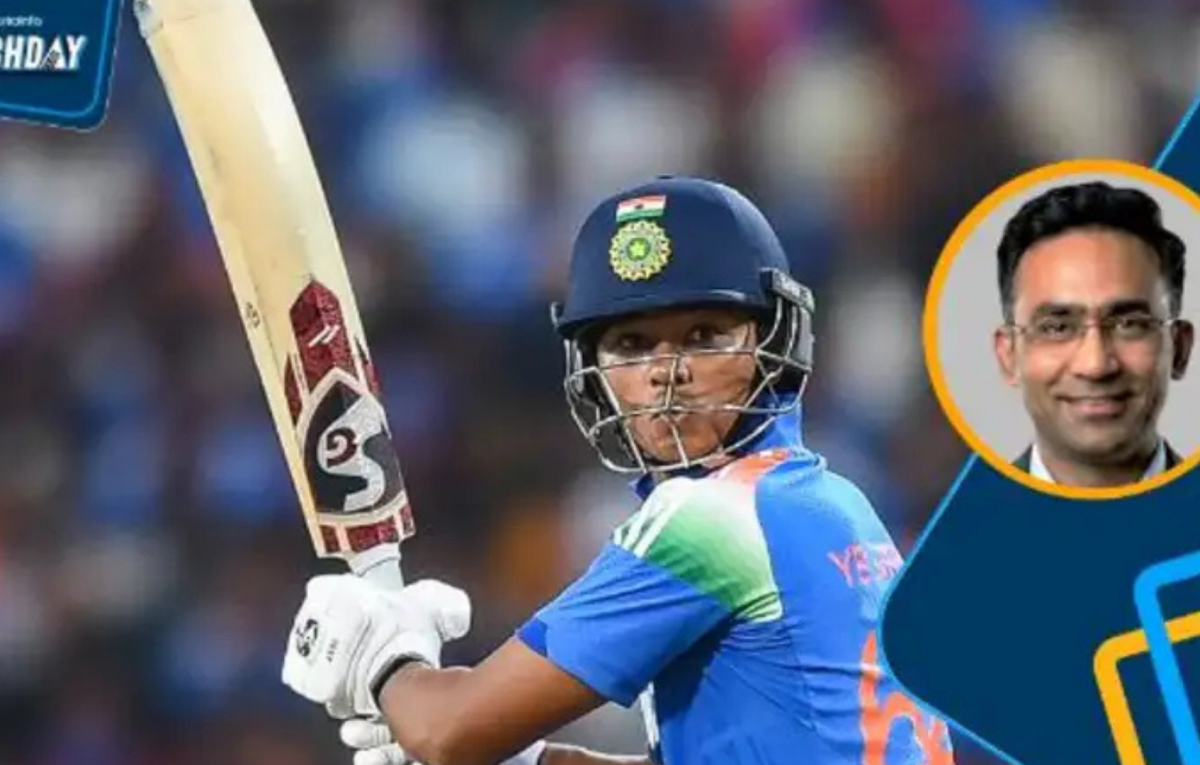
The India–South Africa ODI series begins under a cloud of uncertainty, with both teams dealing with key injuries. India are without Shubman Gill and Shreyas Iyer, two integral parts of their limited-overs structure, while South Africa miss their premier fast bowler Kagiso Rabada. As a result, both sides are forced into reshuffling plans, creating the possibility of an unpredictable and tightly contested series.
India’s immediate concern is recovering from the psychological blow of losing the Test series 2–0. For a team ranked among the world’s strongest across formats, the defeat has heightened scrutiny. Key questions are resurfacing: Can Rohit Sharma and Virat Kohli realistically continue until the 2027 World Cup? Will their age and workload stand in the way? India must confront these issues sooner rather than later.
On the South African side, optimism is far greater. Their batting unit is strengthened by the return of Aiden Markram and Temba Bavuma. Matthew Breetzke’s rise has also been meteoric—his five consecutive fifty-plus scores in ODIs have already placed him in elite company. Their squad, even without Rabada, looks formidable.
India’s selection dilemmas remain significant. Yashasvi Jaiswal is expected to open in Gill’s absence. The middle-order vacancy left by Iyer is complicated; Gaikwad appears the natural replacement, but Rishabh Pant’s return adds competition. India also need at least two all-rounders, making Nitish Reddy, Jadeja and Washington Sundar central to their plans.
The bowling attack remains unsettled too, with Harshit Rana, Arshdeep Singh and Prasidh Krishna all in contention. India must decide between experience and experimentation as they balance short-term performance with long-term planning.
South Africa, meanwhile, are working with a clearer template. Markram may resume his role as opener alongside Quinton de Kock. Bavuma will slot in at No. 3, followed by Breetzke and Dewald Brevis. They also trust their all-round options in Marco Jansen and Corbin Bosch, while Maharaj leads the spin department effectively.
Ranchi provides an additional layer of intrigue. With only one 300-plus score in its ODI history, the pitch is expected to be slow and testing. Dew could shape the outcome, making the toss crucial. Teams batting first often struggle to judge the ideal total, especially if evening conditions favour the chasing side.
Historically, India and South Africa share an even ODI rivalry, with five bilateral series wins each since 2006. That parity reflects the competitive nature expected in this series.
India, eager to escape criticism and rebuild confidence, must avoid another slip-up. South Africa, buoyed by recent success, will aim to extend their dominance. The injuries on both sides merely heighten the unpredictability, promising a series filled with tension, experimentation and high-stakes cricket.




Comments