Sunday, 5th April 2026

Khabor Wala Desk
Published: 31st December 2025, 12:37 AM
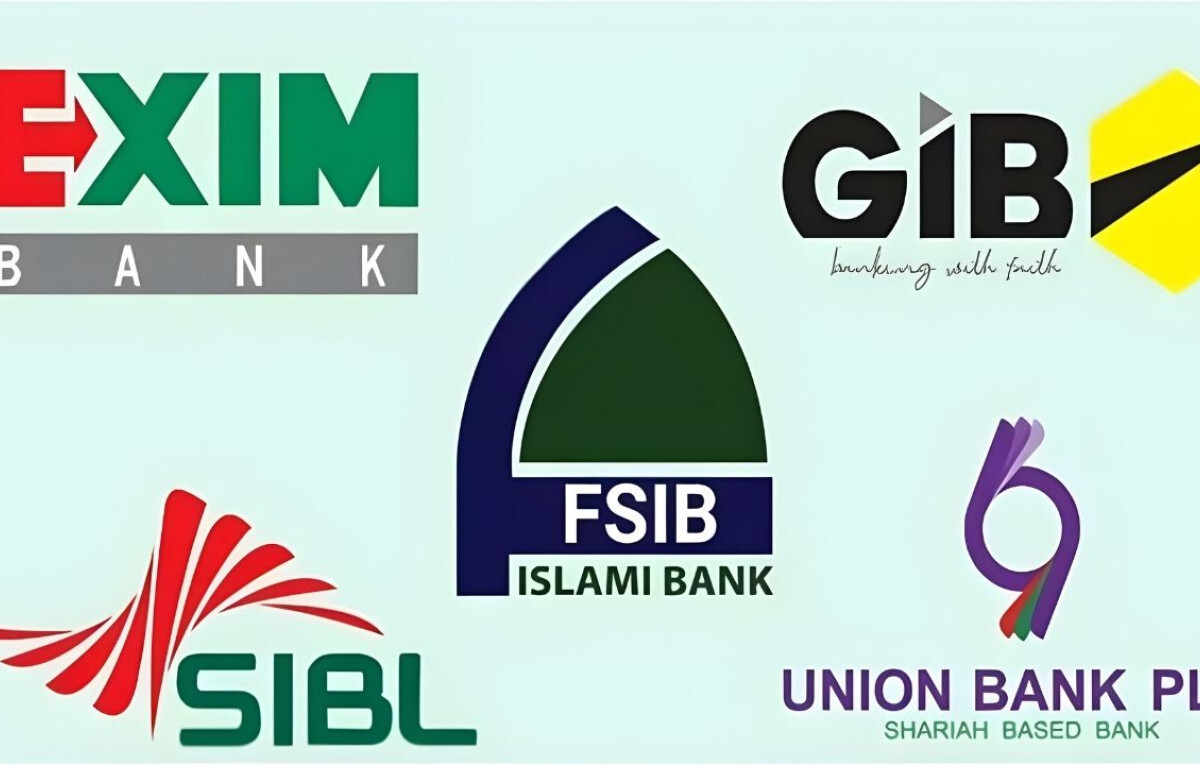
The Central Bank of Bangladesh has finalised a historic restructuring plan to consolidate the nation’s Islamic banking sector. Under this comprehensive “Resolution Scheme,” five struggling Shariah-based lenders—First Security Islami Bank, Social Islami Bank, Union Bank, Global Islami Bank, and EXIM Bank—are set to be merged into a newly established entity named the Combined Islamic Bank.
This strategic amalgamation aims to restore liquidity and public trust in the Islamic financial system. The policy framework for this merger clarifies the capital structure of the nascent institution and, crucially, outlines a mandatory debt-to-equity swap for certain institutional depositors.
The Combined Islamic Bank will boast an unprecedented capital base to ensure long-term stability. The authorised capital has been set at 40,000 crore BDT, with a paid-up capital of 35,000 crore BDT. The government has already injected 20,000 crore BDT to provide a solid foundation for the merger.
| Share Category | Investor Type | Amount (in Crore BDT) |
|---|---|---|
| Class A | Government of Bangladesh | 20,000 |
| Class B | Banks and Financial Institutions | 7,500 |
| Class C | Other Non-Financial Institutional Depositors | 7,500 |
| Total Paid-up Capital | 35,000 |
One of the most significant aspects of the scheme is the conversion of fixed deposits into equity. According to the guidelines, 7,500 crore BDT belonging to banks and financial institutions currently held as fixed deposits in the five merging banks will be converted into Class B shares.
Furthermore, an additional 7,500 crore BDT from other non-financial institutional depositors will be transitioned into Class C shares. This move effectively turns these depositors into shareholders of the Combined Islamic Bank, sharing in its future risks and rewards.
Recognising the sensitive nature of certain funds, the Central Bank has carved out specific exemptions. The mandatory conversion into shares will not apply to the following entities:
Educational and religious institutions.
Hospitals and healthcare facilities.
Employee Provident Funds and Gratuity funds.
Joint venture and multinational corporations.
Foreign embassies and diplomatic missions.
The policy explicitly states that in the event of any changes regarding shareholding status or unforeseen complications during the transition, the decision of the Central Bank of Bangladesh will be final and binding. This restructuring marks a pivotal moment in the country’s financial history, as it attempts to move away from individual bank failures toward a more resilient, “combined” Islamic banking model.



Comments