Sunday, 5th April 2026

Khabor Wala Desk
Published: 8th March 2026, 6:18 AM
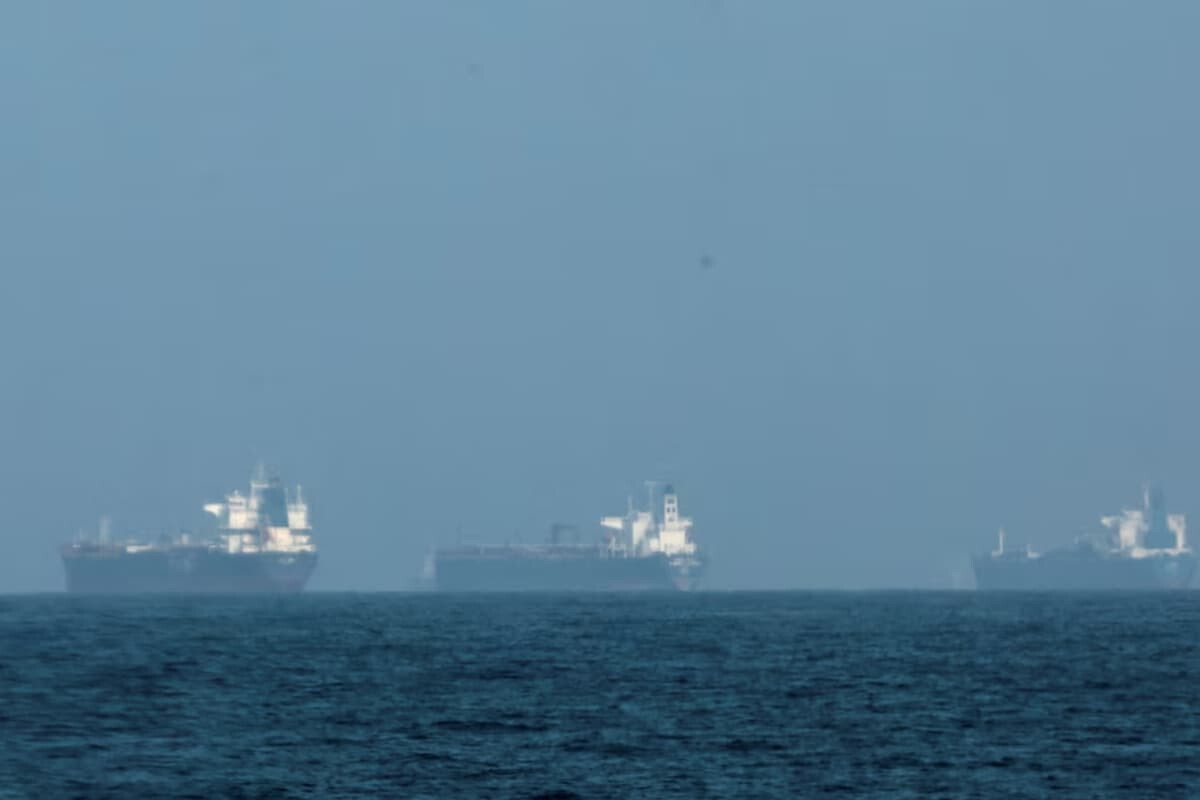
Maritime insurance premiums for vessels passing through the Strait of Hormuz have surged dramatically as the Gulf conflict intensifies, with some war risk rates soaring by more than 1,000%, sharply raising the cost of transporting oil and gas through one of the world’s most vital shipping lanes.
The crisis erupted after joint Israeli-U.S. air strikes on Tehran last Saturday, which have effectively halted maritime traffic through the Strait. Iran warned on Monday that any ship attempting to transit the waterway would be targeted, and at least nine vessels have sustained damage since the onset of hostilities.
War risk insurance, which protects ships and cargo against losses from conflict or terrorism, is typically issued on an annual basis. Short-term or voyage-specific coverage is also available for ships passing through high-risk waters. Analysts note that the dramatic increase in premiums reflects the heightened financial risk faced by ship owners, energy traders, and commercial operators navigating the Strait.
Stephen Rudman, Head of Marine, Asia at global broker Aon, said, “The hull war market has reacted swiftly because concentrated losses are likely if multiple vessels are affected in the same area. Premiums will continue to adjust as the situation evolves.”
Cargo war risk premiums are also being revised on a voyage-by-voyage basis, particularly for energy and bulk commodity shipments. Jefferies analysts estimated potential losses from the seven damaged vessels reported as of 5 March could reach $1.75 billion. For instance, a typical tanker valued at $250 million would have paid a pre-conflict hull war premium of around $625,000 (0.25%). Current rates of 3% would increase that premium to approximately $7.5 million.
| Insurance Type | Pre-Conflict Rate | Current Rate | Vessel Value | Estimated Premium |
|---|---|---|---|---|
| Hull war insurance | 0.25% | 3% | $250 million | $7.5 million |
| Cargo war risk | 0.5–1% | 1–1.5% | $200–300 million | $2–4.5 million |
According to analytics firm Vortexa, more than 20 million barrels of crude, condensate, and fuel passed through the Strait daily last year, representing roughly 20% of global oil consumption. Sheila Cameron, CEO of the Lloyd’s Market Association, confirmed that around 1,000 vessels remain in the Gulf region, with a combined hull value exceeding $25 billion, most insured via the London market.
The conflict has forced at least 200 ships to anchor offshore, disrupting supply chains and prompting consideration of alternative routes via the Cape of Good Hope or overland pipelines, which would increase transit times and shipping costs.
The U.S. administration is exploring measures to restore shipping flows, including potential naval escorts and political risk insurance to encourage maritime trade. However, analysts note uncertainty remains over whether these interventions would cover vessels of all nationalities. Dr Michel Léonard, chief economist at the Insurance Information Institute, summarised the risk succinctly: “It is akin to insuring a burning building — premiums reflect the extreme danger.”



Comments