Monday, 6th April 2026

Khabor Wala Desk
Published: 18th March 2026, 1:43 PM
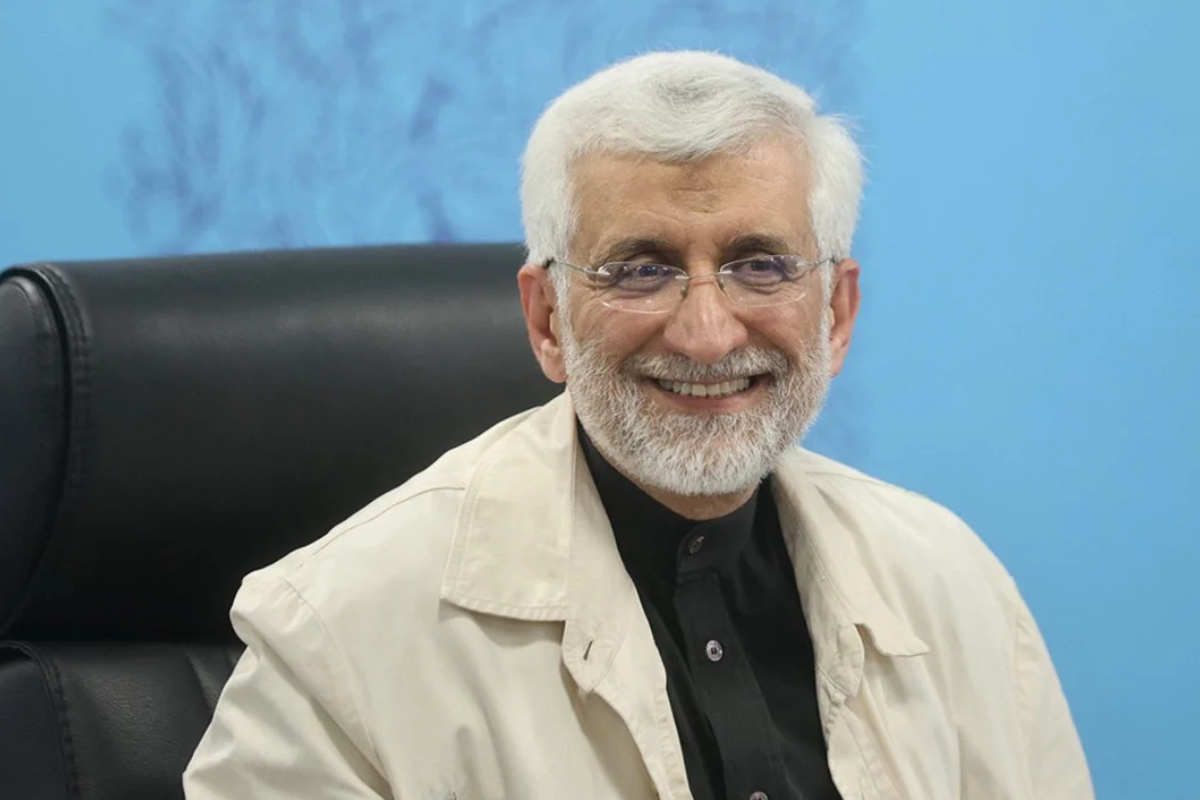
Following the assassination of Ali Larijani, Tehran is reportedly considering Saeed Jalili, the former top official of the Supreme National Security Council, as the country’s next national security chief.
According to multiple media sources, Iranian authorities are assessing Jalili as a potential successor in the wake of Larijani’s sudden death. Analysts describe Jalili as a hardline figure with extensive experience in diplomacy and politics, known for his staunch conservative positions and strategic acumen.
Jalili previously served in senior security and foreign policy roles, contributing to the formulation of Iran’s defence strategies and nuclear negotiation policies. His appointment, if confirmed, would mark a continuation of the conservative security line, particularly in a period marked by heightened tensions with Israel.
The escalation of hostilities began after Israel carried out an airstrike targeting the positions of Ali Larijani, the secretary of Iran’s Supreme National Security Council, and Gholamreza Soleimani, commander of the Basij forces. Both officials were killed in the strike, sparking outrage in Tehran.
In retaliation, the Islamic Revolutionary Guard Corps (IRGC) launched an extensive missile campaign against over 100 military and security targets in central Israel. According to IRGC sources, four types of advanced missiles were deployed, causing substantial casualties.
The following table summarises the missile strikes reportedly carried out by the IRGC:
| Target Type | Number of Sites | Missile Types | Reported Casualties |
|---|---|---|---|
| Military installations | 100+ | 4 advanced varieties | 200+ injured |
| Security facilities | 100+ | 4 advanced varieties | 200+ injured |
Experts suggest that Jalili’s potential appointment reflects Iran’s dual objective: stabilising domestic security while maintaining a firm and strategic stance in international affairs. His experience in intelligence, diplomacy, and military strategy is expected to guide Tehran through both retaliatory operations and future security planning.
Security analysts note that this period of transition is critical for Iran. The country faces the challenge of consolidating internal stability while projecting strength externally. Jalili, with his long-standing conservative credentials, is considered capable of navigating these complex dynamics, ensuring continuity in the nation’s security policies and response capabilities.
In conclusion, Jalili’s possible elevation to national security chief comes at a pivotal moment for Iran, amid escalating tensions with Israel and the urgent need for strategic leadership in defence and foreign affairs. Observers are closely monitoring Tehran’s next steps, which could have far-reaching implications for regional security.

Comments