Sunday, 5th April 2026

Khabor Wala Desk
Published: 8th March 2026, 3:06 AM
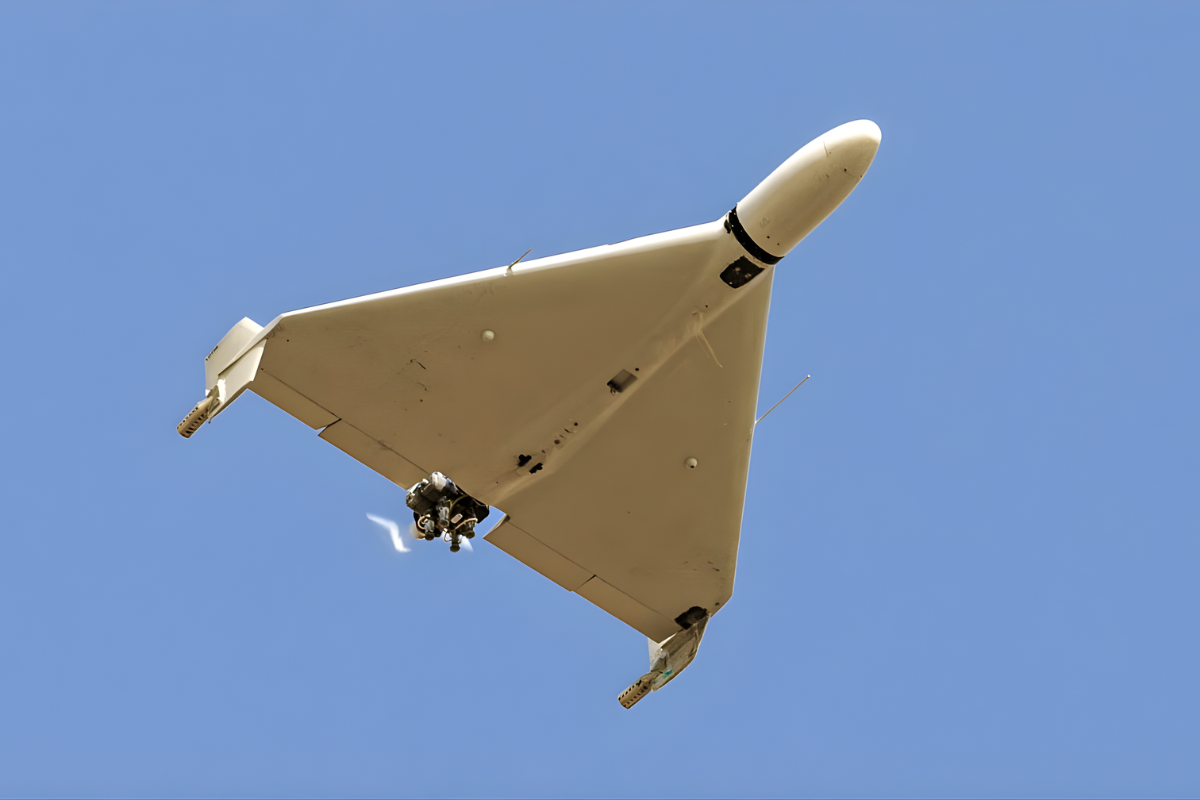
Tensions in the Middle East have escalated further as Iran has carried out a series of drone attacks targeting Saudi Arabia, continuing a pattern linked to ongoing friction with the United States. On Sunday, 8 March, by 6:30 a.m. Bangladesh time, the Saudi Ministry of Defence reported that at least seven drones were shot down over the eastern outskirts of Riyadh.
This latest action came just an hour after the Kingdom claimed to have destroyed eight other Iranian drones attempting to enter its airspace. The repeated incursions underline growing regional instability and the risk of wider confrontation.
Iranian President Masoud Pezeshkian had pledged on Saturday that the country would not retaliate as long as U.S. forces refrained from launching attacks through the airspace of Gulf countries. However, within hours of that statement, reports emerged of Iranian drone activity along the Saudi border, signalling a sharp escalation.
In response, Tehran resumed attacks targeting Saudi Arabia and neighbouring states, reportedly employing both drones and ballistic missiles. Analysts suggest that Iran’s operations are primarily aimed at U.S. military installations across the Middle East, using these strikes to signal its capacity to retaliate.
The Saudi Ministry of Defence confirmed that the Kingdom’s air defence systems successfully intercepted all drones in recent hours, preventing any apparent damage or casualties. Nevertheless, the precise number of drones involved and additional operational details remain unverified.
The ongoing drone attacks have reignited fears of conflict across the Gulf region. Iran has previously warned that countries permitting U.S. forces to use their airspace or military bases could also face retaliatory strikes. This warning has heightened anxiety among Gulf Cooperation Council (GCC) states and neighbouring nations.
The international community has called for urgent diplomatic engagement to prevent a wider escalation, yet the intensity and frequency of the attacks suggest a continued risk of confrontation. Analysts note that these developments could potentially disrupt regional trade routes and energy supplies, given Saudi Arabia’s strategic role in global oil production.
| Date | Location | Number of Drones Intercepted | Target | Casualties / Damage |
|---|---|---|---|---|
| 8 March | Eastern Riyadh | 7 | Urban outskirts / strategic sites | None reported |
| 8 March | Riyadh airspace (earlier) | 8 | Not specified | None reported |
The situation underscores the volatile dynamics of U.S.-Iran relations and their impact on Gulf security. With repeated drone incursions, Saudi Arabia and its allies are increasing surveillance and defensive measures, while global observers urge restraint and renewed diplomatic dialogue.
As the situation develops, military analysts warn that further drone and missile activity could continue, especially if U.S. or allied forces are involved in the region. The risk of unintended escalation remains high, making regional stability and civilian safety a growing concern. International mediators have urged immediate de-escalation, yet Iran’s latest operations demonstrate its willingness to project power across the Gulf despite global warnings.
The events of 8 March highlight the fragile security environment in the Middle East, with the potential for further confrontation between Iran, the U.S., and regional partners if diplomatic solutions are not urgently pursued.
This article provides an expanded, detailed overview of the ongoing drone attacks, situating the events within a broader geopolitical context while incorporating key data from official sources.




Comments