Sunday, 5th April 2026

Khabor Wala Desk
Published: 12th January 2026, 12:04 PM
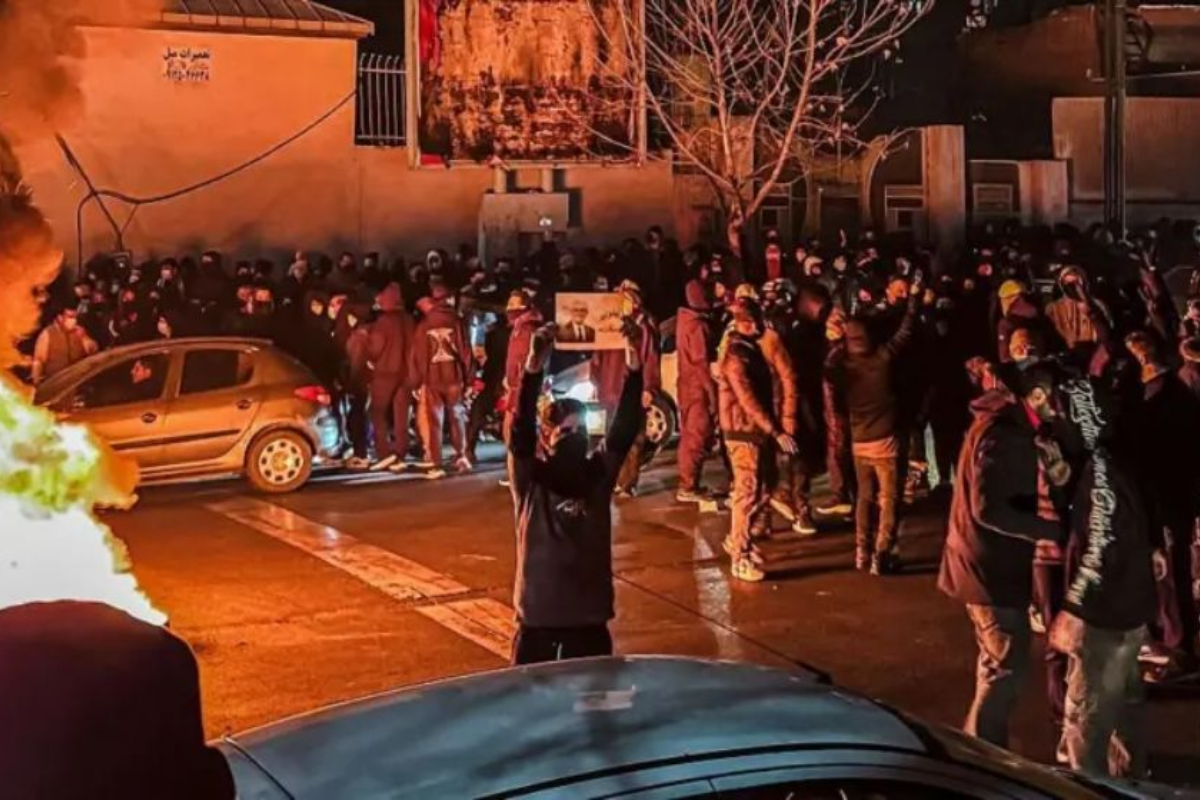
Iran is witnessing government-opposition protests on a scale not seen in the Islamic Republic’s 47-year history, according to analysts and eyewitnesses. Following the rapid spread of demonstrations across the country, Iranian authorities launched a severe crackdown. In response, former U.S. President Donald Trump publicly expressed support for the protesters, prompting Tehran to issue threats against American interests and allied nations in the region.
Experts suggest that the scope and intensity of these protests set them apart from previous movements. Sociologist Eli Khorsandfar noted that, unlike earlier demonstrations, the unrest has extended beyond major cities into numerous smaller towns previously unknown to most observers.
| Movement | Year | Main Areas | Key Characteristics |
|---|---|---|---|
| Green Movement | 2009 | Major cities, middle class | Limited reach, politically focused |
| 2017-2019 Protests | 2017–2019 | Relatively poorer regions | Economic grievances, small towns |
| Mahsa Amini Protests | 2022 | Nationwide | Heightened women’s participation |
| Current Protests | 2025–2026 | Nationwide, major and minor cities | Long-lasting, middle-class and women actively involved |
The current wave began in late December 2025, triggered by the devaluation of the Iranian rial and accompanied by a strike among Tehran’s business community. The unrest quickly spread to western provinces and other regions, drawing in middle-class citizens suffering from rising inflation and acute economic hardship. Protesters have been chanting slogans calling for the removal of Supreme Leader Ayatollah Ali Khamenei and his government.
Exiled Iranian leader Reza Pahlavi has also encouraged participation, though analysts argue the movement reflects frustration over the lack of alternative leadership within the Islamic system, rather than a push to restore the monarchy.
Another significant factor distinguishing the protests is the open involvement of international actors. Trump’s direct support and threats are unprecedented in Iran’s modern protest history, while regional allies of Tehran have shown weakened positions, increasing the country’s diplomatic pressure.
Observers also note that recent conflicts with Israel and the impact of U.S. military actions have eroded public trust in the government. The prestige of the Islamic Revolutionary Guard Corps has been particularly damaged, further intensifying public anger.
Khorsandfar highlighted one of the most remarkable features of the current unrest: women are publicly participating in protests despite the risks, challenging Iran’s repressive political system in an unprecedented manner. This movement represents not only a broad-based social uprising but also a profound test of the Islamic Republic’s authority.

Comments