Saturday, 4th April 2026

Khabor Wala Desk
Published: 20th March 2026, 9:53 AM

Iran has formally introduced a toll system in the Strait of Hormuz, one of the most strategically significant maritime passages in the Middle East. The Islamic Revolutionary Guard Corps (IRGC) recently collected $2 million from a single oil tanker, marking the first implementation of this levy. This move has raised concerns across international energy markets, as approximately one-fifth of the world’s seaborne oil passes through the strait.
The Strait of Hormuz is not only a critical conduit for crude oil but also transports a significant portion of global liquefied natural gas. In recent months, heightened political tensions and increased military activities in the region have led Iran to tighten its control over the waterway. Any disruption or regulation in the strait has immediate repercussions on global energy supply and pricing.
The IRGC has announced that all vessels intending to transit the strait must now complete prior registration and pay a predetermined fee. The newly instituted vetting and verification procedure aims to enhance both security and operational oversight within the passage.
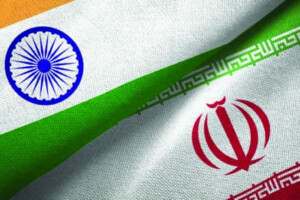
Iran has indicated that vessels from certain nations—including China, Pakistan, Bangladesh, and India—will receive preferential treatment. These ships will be able to traverse the strait without delays or additional scrutiny, highlighting Tehran’s selective approach to toll collection.
| Item | Details |
|---|---|
| Toll-collecting authority | Islamic Revolutionary Guard Corps (IRGC) |
| First toll collected | $2 million from a single oil tanker |
| Strategic importance | Transports ~20% of global seaborne oil and significant natural gas volumes |
| New procedure | Mandatory pre-registration and payment of fees |
| Countries granted special exemptions | China, Pakistan, Bangladesh, India |
Analysts suggest that Iran’s toll system is not merely a revenue-generating measure but also a tool to expand military and diplomatic influence. By regulating access to the strait, Tehran can exert direct leverage over international shipping and global energy flows.
The strategic significance of the Strait of Hormuz in maintaining global energy security and market stability cannot be overstated. In times of heightened tension, tolls and transit controls could introduce volatility into oil and gas markets, forcing shipping companies to reconsider their logistics and potentially increasing long-term energy costs.
In conclusion, Iran’s implementation of a toll system in the Strait of Hormuz represents a calculated strategic move that poses new challenges for global energy security. The initiative underscores the delicate balance between regional control, international trade, and market stability, reinforcing the strait’s pivotal role in global energy dynamics.


Comments