Monday, 6th April 2026

Khabor Wala Desk
Published: 3rd March 2026, 1:29 PM
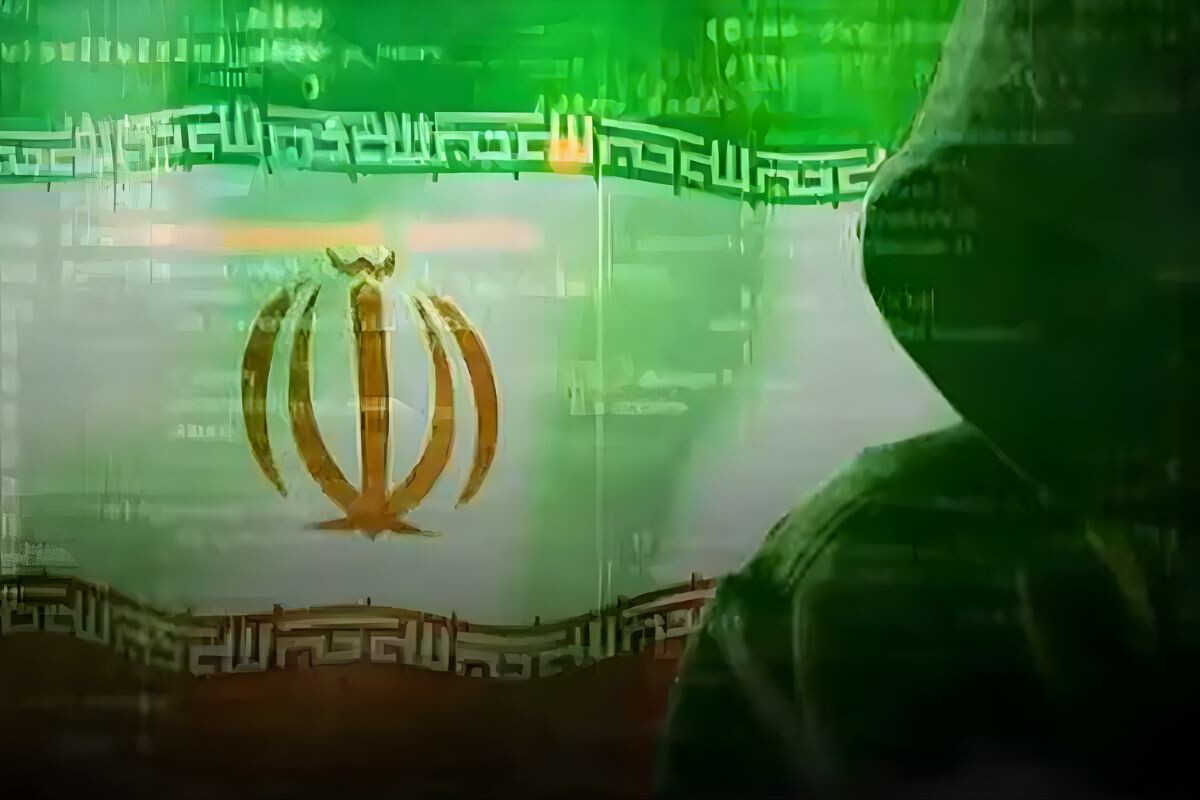
Iran has reportedly initiated a substantial cyber‑attack against Israeli digital infrastructure, marking a significant escalation in the ongoing tensions between the two nations. According to Shafaq News, Tehran’s Islamic Revolutionary Guard Corps (IRGC) announced on Tuesday that it had commenced a broad cyber operation targeting critical Israeli networks.
In its statement, the IRGC claimed to have breached 160 data centres linked to Israeli communication networks, although the nature and precise impact of the breaches remain unclear. Israeli authorities have not issued an official response to these allegations.
The reported cyber offensive comes amid a wider military confrontation between Iran, Israel and allied forces, which recent days have seen both kinetic and digital exchanges of force. Alongside cyber operations, there have been missile exchanges and air strikes reported by various regional outlets.
This latest cyber action may reflect Tehran’s expanding use of digital warfare as part of its broader strategic posture, following a series of cyber and military incidents in the region. In recent days, Iranian state and non‑state digital infrastructure—including news sites and mobile applications—has also been the focus of retaliatory cyber activity by unknown actors, coinciding with international strikes on Iranian targets. Experts have noted internet connectivity disruptions and high‑profile hacks aimed at both governments and civilian platforms.
| Type of Action | Actor | Target / Description |
|---|---|---|
| Cyber operation | IRGC (Iran) | Alleged penetration of 160 Israeli data centres |
| Cyber disruptions | Unknown pro‑Israel actors | Hacking of Iranian apps and sites (including the BadeSaba app) following strikes on Iran |
| Missile strikes | Iranian military | Claimed targeting of Israeli PM’s office and Air Force HQ (unverified by Israel) |
| Air raids | Israel & allies | Reported attacks on Iranian infrastructure, including media buildings |
Cybersecurity analysts warn that the Middle East is becoming an increasingly contested digital battlefield. The use of offensive cyber tools—such as network breaches, data centre intrusions, and hacks of widely used mobile applications—illustrates how modern conflicts now span both physical and virtual domains. They also highlight the difficulty in accurately attributing and assessing the real‑world impact of such attacks.
With neither side having fully acknowledged or detailed the scope of the digital offensive, wider implications remain speculative. However, the incident underscores the continuing evolution of regional hostilities into cyberspace, where state and non‑state actors alike are deploying advanced digital capabilities to achieve strategic objectives.




Comments