Monday, 6th April 2026

Khabor Wala Desk
Published: 9th March 2026, 6:08 AM
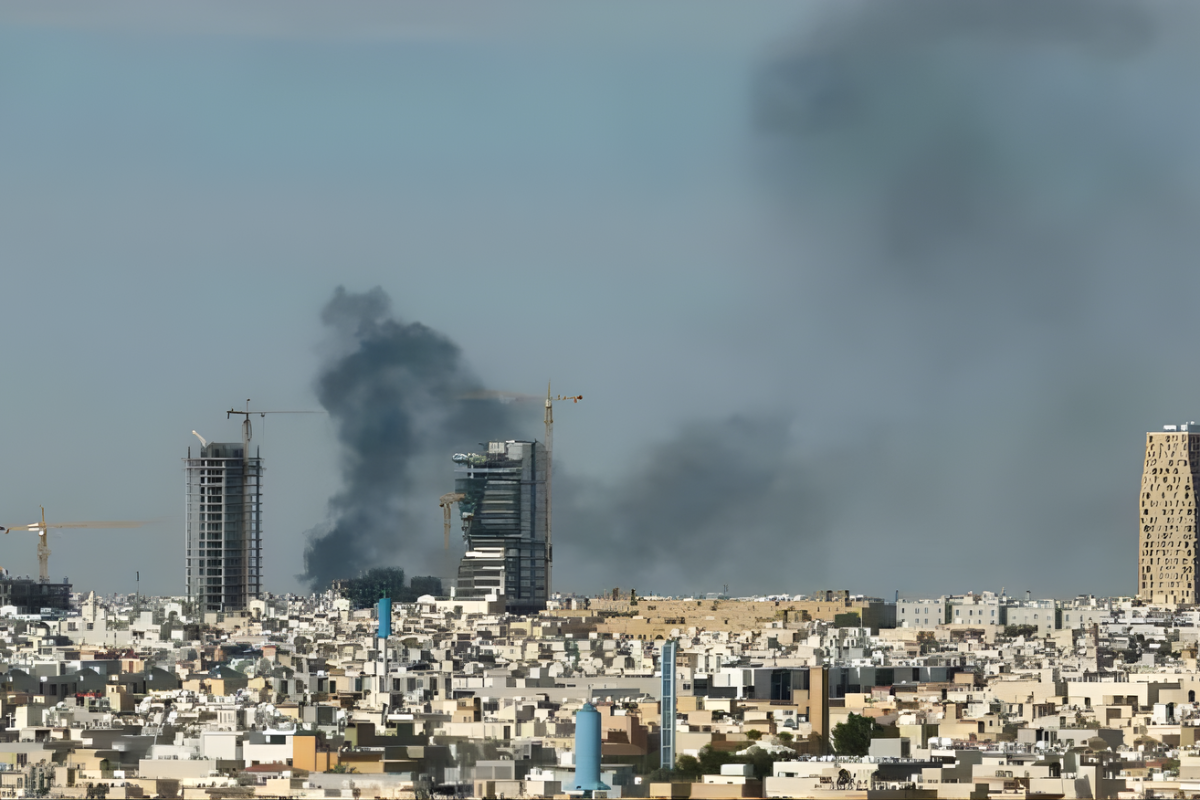
Tensions in the Middle East escalated dramatically early on Monday, 9 March 2026, as Iran launched a coordinated wave of missile and drone strikes across several Gulf nations, including Qatar, Bahrain, and the United Arab Emirates (UAE). The attacks, described by regional authorities as highly organised, have raised alarm over civilian safety and regional stability. Reports indicate that at least 32 people were injured in the strikes.
| Country | Time (Local) | Incident Details | Casualties/Impact |
|---|---|---|---|
| Qatar (Doha) | 03:15 | Missile alerts issued; Qatari air defences intercept Iranian missiles | No confirmed fatalities; multiple explosions reported by residents |
| Bahrain (Manama) | Early hours | Iranian drone strike on Sitra area | 32 injured, including children and teenagers |
| UAE (Fujairah) | Overnight to morning | Series of drone and missile attacks; drone intercepted near oil facilities causing minor fire | No casualties reported; oil infrastructure briefly affected |
In Qatar, authorities issued a high-level alert around 3:15 a.m., sending emergency notifications to residents’ mobile devices. Within minutes, several loud explosions were reported as Qatari air defences intercepted Iranian missiles targeting the capital. Eyewitnesses in Doha described hearing at least 12 to 13 distinct detonations. Approximately 15 minutes later, the threat level was reduced, indicating that immediate danger had subsided.
Bahrain faced a more severe impact. State-run media confirmed that Iranian drones struck the Sitra area, south of Manama, injuring 32 civilians, including infants and teenagers. Hospitals in the region mobilised emergency services to treat the victims, highlighting the indiscriminate nature of the attack.
Meanwhile, the UAE experienced multiple missile and drone threats extending overnight and into Monday morning. The Ministry of Defence stated that its air defence systems remained fully operational, successfully intercepting incoming threats. In Fujairah, a drone was neutralised near critical oil infrastructure, resulting in a small fire from falling debris but no casualties.
Defence analysts warn that these attacks could have significant consequences for international energy markets and regional security. The coordinated nature of the strikes, involving both missiles and drones, underscores Iran’s growing offensive capabilities and the potential for direct military confrontation in the Gulf.
Regional authorities have placed airspace and borders on the highest alert. Diplomatic sources indicate that several nations are advising their citizens to remain in secure locations while evaluating an appropriate response to the Iranian aggression. International observers note that the attacks reflect the shifting dynamics of Middle Eastern geopolitics, moving from proxy engagements to potential direct conflict.
This escalation marks a critical moment in Gulf security, demonstrating the vulnerability of civilian populations and strategic infrastructure to rapid, cross-border military actions. Continuous monitoring and rapid response protocols are now imperative for Gulf states to mitigate further threats.




Comments