Sunday, 5th April 2026

Khabor Wala Desk
Published: 26th March 2026, 12:32 PM
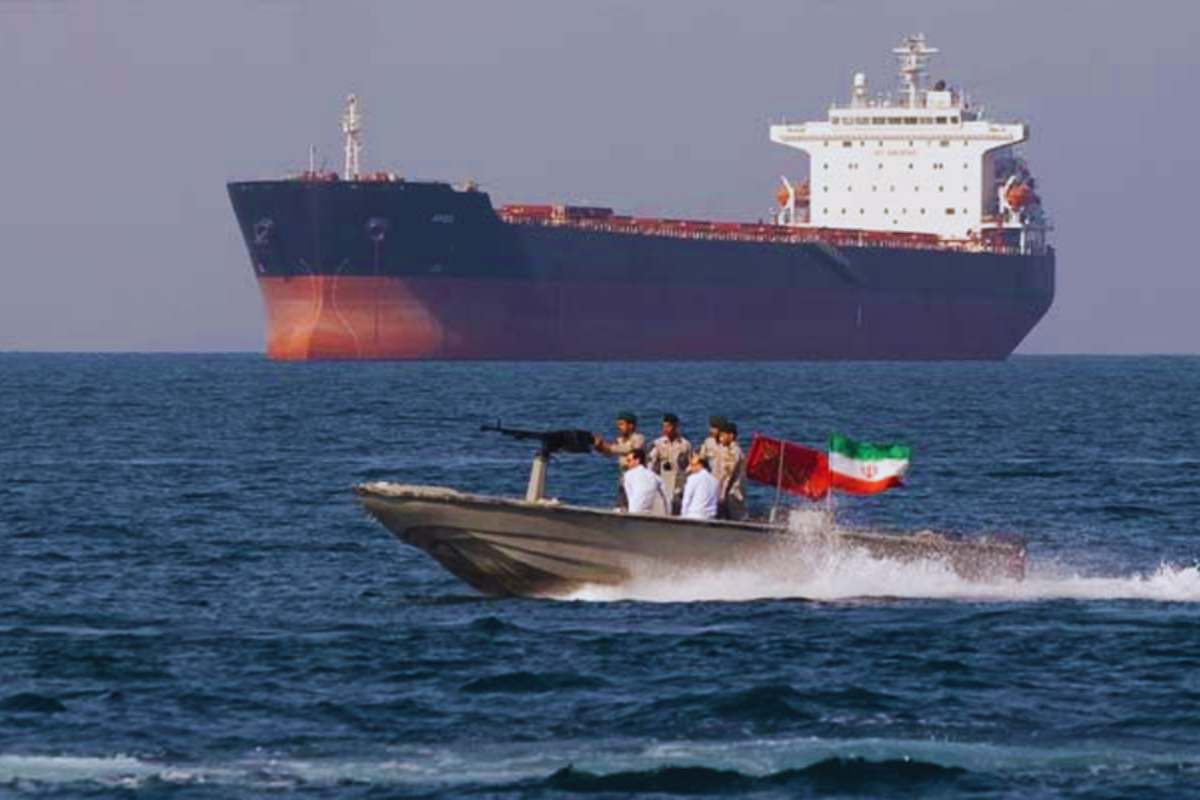
Iran is moving towards introducing legislation that would impose fees or tolls on commercial vessels seeking safe passage through the strategically vital Strait of Hormuz, according to reports from the semi-official Fars News Agency. The proposal is currently under review in the country’s parliament and could be finalised as early as next week, as indicated by an unnamed legislator cited in local media.
If enacted, the draft law would formally institutionalise Iran’s oversight and regulatory control over one of the world’s most important maritime chokepoints. The Strait of Hormuz connects the oil and gas-rich states of the Gulf with global energy markets, handling a significant share of international crude oil shipments. Any disruption or regulatory tightening in this corridor has immediate repercussions for global supply chains and energy pricing.
According to the report, maritime traffic through the narrow waterway has already been severely disrupted following escalating regional tensions, including reported military strikes involving the United States and Israel against Iranian targets. Over the past month, the strait has functioned at a fraction of its normal capacity, with only a limited number of vessels transiting the passage. Most of these ships are either linked to Iran or China, or have received special clearance.
There are also reports that some vessels have been allowed passage following authorisation from the Islamic Revolutionary Guard Corps (Islamic Revolutionary Guard Corps), while others have engaged intermediaries to secure navigation guarantees. These arrangements are said to have operated in an informal and inconsistent manner, lacking a unified regulatory framework.
The proposed legislation is expected to formalise these practices, potentially introducing structured tolls and standardised procedures for vessel clearance. Shipping industry sources suggest that in certain cases, vessels have reportedly been asked to pay fees of up to USD 2 million, although such charges appear to vary significantly depending on cargo type, vessel nationality, and negotiation channels.
The economic consequences of restricted navigation have already been significant. Several oil producers in the Gulf region have been forced to scale back or suspend operations due to difficulties in exporting crude through the strait. Some refineries have also sustained damage amid the broader conflict, further tightening supply conditions.
These disruptions have contributed to volatility in global energy markets. At the beginning of the week, Brent crude prices surged above USD 114 per barrel, reflecting heightened concerns over supply security and geopolitical instability in the region.
| Aspect | Details |
|---|---|
| Proposed measure | Introduction of tolls for vessels using the Strait of Hormuz |
| Legislative status | Draft law under consideration in Iranian parliament |
| Reported oversight | Iranian authorities and IRGC involvement |
| Estimated fees | Up to USD 2 million in some reported cases |
| Maritime impact | Severely reduced vessel traffic and restricted passage |
| Economic effect | Oil supply disruptions and rising global prices |
| Market response | Brent crude exceeding USD 114 per barrel |
Analysts warn that if the legislation is implemented, it could further institutionalise the strategic leverage Iran holds over one of the world’s most critical energy corridors, potentially intensifying geopolitical tensions and adding further instability to global energy markets.




Comments