Sunday, 5th April 2026

Khabor Wala Desk
Published: 19th January 2026, 12:03 AM
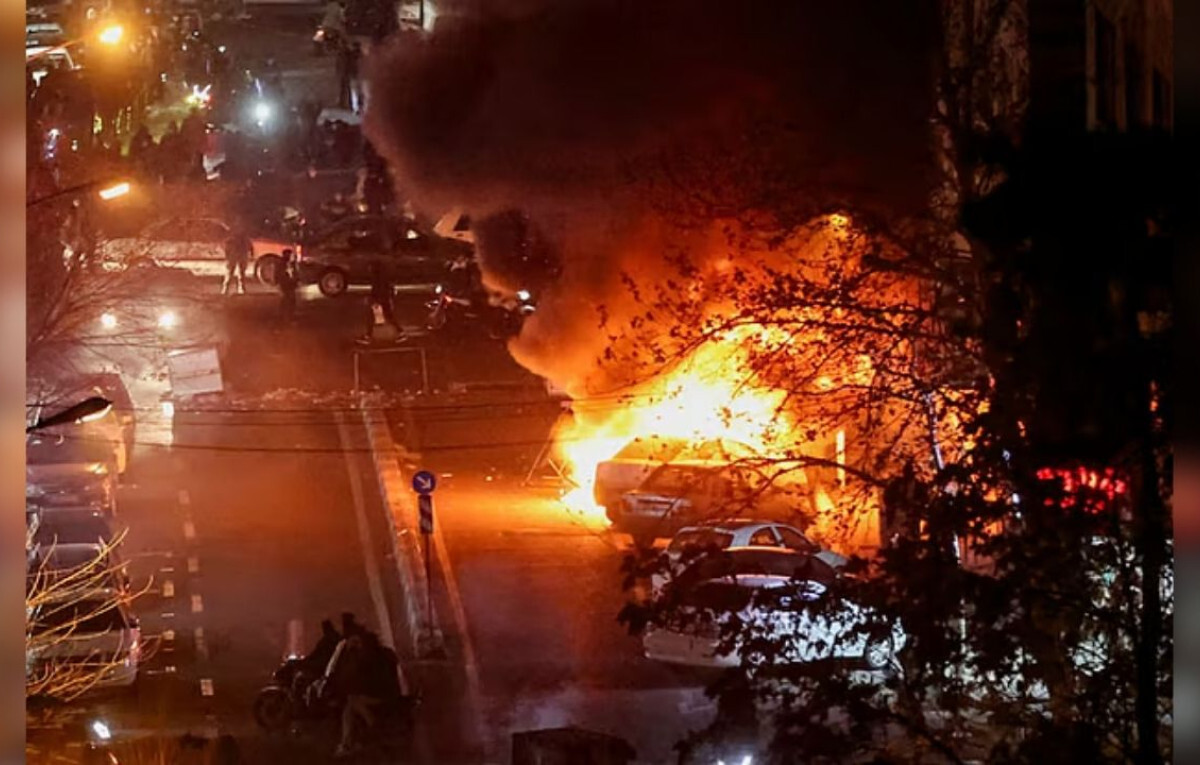
A high-ranking Iranian official has revealed to Reuters that at least 5,000 people have been killed during the recent wave of anti-government unrest sweeping the nation. Speaking on the condition of anonymity, the official clarified that the toll includes approximately 500 members of the state security forces, alleging that “terrorists and armed rioters” were responsible for the slaughter of innocent citizens.
The demonstrations initially erupted on 28 December in response to deep-seated economic grievances. However, the movement rapidly transformed into a direct challenge to the clerical establishment, with protesters calling for the fall of the government. In an effort to suppress the uprising, authorities enforced a near-total internet blackout on 8 January, deploying security forces to regain control of the streets. The lack of connectivity severely hampered the ability of international media outlets and human rights monitors to verify the scale of the violence in real-time.
According to the official, the most violent clashes occurred in the Kurdish regions of north-western Iran, which reportedly saw the highest concentration of fatalities. Despite the staggering figure, the official expressed hope that the final tally would not significantly exceed the 5,000 mark.
The following table compares figures provided by official Iranian sources and international monitors:
| Category | Iranian Official Source | HRANA (Verified) | HRANA (Awaiting Verification) |
|---|---|---|---|
| Total Fatalities | 5,000 | 3,308 | 4,382 |
| Security Force Deaths | 500 | Included in total | — |
| Total Detentions | “Thousands” | 24,000+ | — |
Tehran has consistently attributed the violence to external actors. Supreme Leader Ayatollah Ali Khamenei stated on Saturday that the United States and Israel are directly responsible for the loss of life, vowing that “foreign criminals” would not escape punishment. The official echoed this sentiment, claiming that “Israel and various foreign armed groups” provided weaponry and tactical support to the demonstrators.
The crisis has triggered a sharp diplomatic confrontation between Tehran and Washington. On social media, Khamenei denounced U.S. President Donald Trump as a “criminal,” accusing him of falsely presenting violent groups as the true representatives of the Iranian people.
In an interview with Politico, President Trump responded by suggesting that after 37 years of clerical rule, it was “time to find a new leader for Iran.” Trump accused the Iranian leadership of ruling through unprecedented levels of oppression, contrasting his administration’s governance with Tehran’s use of force to maintain control. Interestingly, Trump had previously softened his rhetoric, thanking Tehran for reportedly halting executions and stopping the killings—a claim that stands in stark contrast to the newly emerged death toll.
While the intensity of the protests has reportedly waned since 12 January, the crackdown has left thousands in custody. Human rights organisation HRANA reports that over 24,000 people have been detained. State media has labelled many of these individuals as “ringleaders,” including Nazanin Baradaran, who is accused of having links to Reza Pahlavi, the exiled son of the late Shah. Although Pahlavi has expressed interest in leading a post-revolutionary Iran with Israeli support, President Trump voiced skepticism in a recent interview regarding whether the exiled figure possesses sufficient domestic support to govern.

Comments