Sunday, 5th April 2026

Khabor Wala Desk
Published: 27th September 2025, 8:05 AM
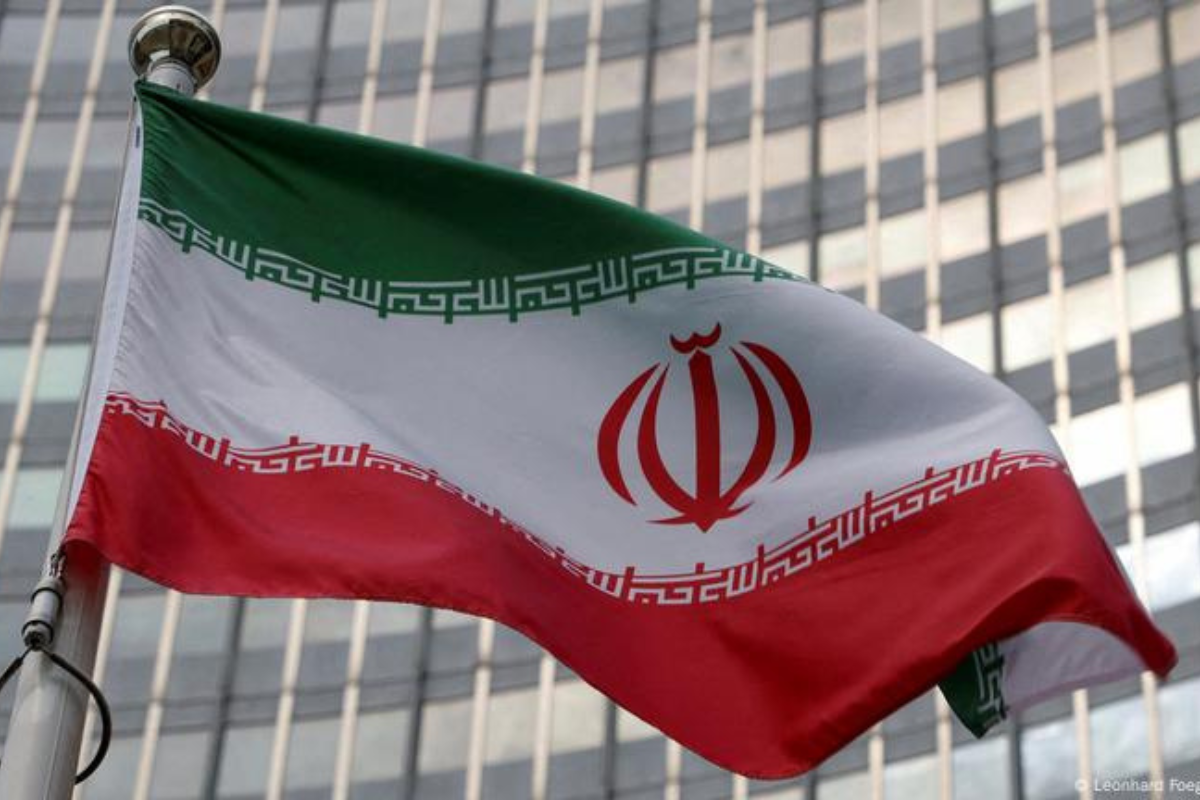
Deep economic sanctions on Iran over its nuclear programme appear set to be reinstated, even as a UN watchdog confirmed on Friday that inspections of Iranian atomic sites had resumed.
Efforts by Russia and China on Friday to delay the reimposition of sanctions on Tehran were unsuccessful, with Moscow indicating it might not enforce the measures despite its obligations under international law.
European powers, led by Britain, France and Germany, triggered the sanctions process after demanding Iran reverse steps it took following Israeli and US strikes on its nuclear sites in June.
Iranian Foreign Minister Abbas Araghchi stated: “I signed an agreement with the agency in Cairo and the director general of the agency is quite satisfied and happy.”
Araghchi insisted that any attempt to reimpose sanctions is “legally void”, vowing that Iran would never “bow to pressure” regarding its nuclear programme, while leaving open the possibility of further diplomatic talks.
Iran’s President Masoud Pezeshkian also affirmed on Friday that Tehran would not withdraw from the Nuclear Non-Proliferation Treaty in retaliation for the sanctions.
At the Security Council session, nine countries voted to reinstate the sanctions, while four (including China and Russia) opposed.
Britain’s ambassador to the UN, Barbara Woodward, commented: “UN sanctions, targeting Iranian proliferation, will be reimposed this weekend. We stand ready to continue discussions with Iran on a diplomatic solution to address international concerns about its nuclear programme. In turn, this could allow for the lifting of sanctions in the future.”
The UN sanctions, particularly targeting Iran’s banking and oil sectors, are set to take effect automatically at the end of Saturday.
China and Russia had proposed a resolution to extend negotiations until April 18, 2026, which was rejected. The Russian deputy ambassador to the UN said: “We had hoped that us, that European colleagues in the US, would think twice, and that they would opt for the path of diplomacy and dialogue, instead of their clumsy blackmail. Did Washington, London, Paris, Berlin make any compromises? No, they did not.”
France’s UN ambassador Jerome Bonnafort stated that all sides had been trying until the last moment to find a solution. European powers, speaking for France, Germany, and Britain, have demanded that Iran:
Araghchi accused the Europeans and the US of misrepresenting Iran’s peaceful nuclear programme and insisted Tehran had submitted “several workable proposals.” He criticised the snapback sanctions as legally void, politically reckless, and procedurally flawed.
The 2015 nuclear deal, negotiated during President Barack Obama’s tenure, lifted sanctions in return for Iran scaling back its nuclear programme.
President Donald Trump, during his first term, withdrew the US from the agreement and imposed unilateral sanctions, urging European countries to follow suit.
Steve Witkoff, Trump’s envoy who had negotiated with Iran until Israel’s strikes, said on Wednesday that Iran was in a “tough position” but there remained hope for a diplomatic solution.
However, President Pezeshkian criticised Washington’s efforts: “We came to understandings a number of times but they were never taken seriously by the Americans.”
Iran continues to assert that it is not seeking nuclear weapons, citing an edict by Supreme Leader Ayatollah Ali Khamenei. US intelligence has not concluded that Iran has decided to develop a nuclear weapon.



Comments