Sunday, 5th April 2026

Khabor Wala Desk
Published: 8th March 2026, 8:01 AM
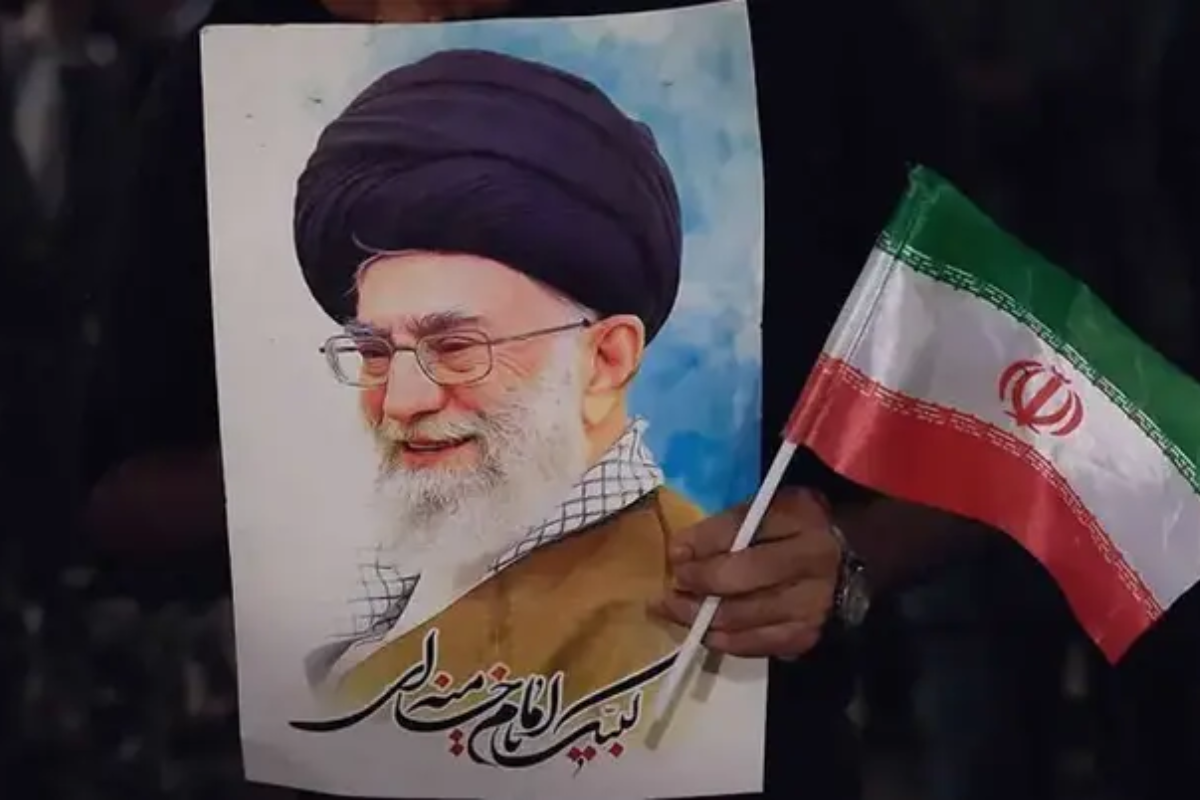
Iran is expected to announce the name of its next Supreme Leader within the next twenty-four hours following the reported death of Ayatollah Ali Khamenei in a joint military strike attributed to the United States and Israel. The development marks a dramatic and potentially historic turning point in the political and religious leadership of the Islamic Republic.
According to reports from Iran’s state-aligned media, the selection process for a new Supreme Leader is already under way. The country’s influential Assembly of Experts, the constitutional body responsible for appointing the Supreme Leader, is expected to convene an urgent meeting to determine Khamenei’s successor.
A member of the Assembly, Hossein Mozafari, stated that the meeting would likely take place very soon. He urged the public and media outlets to refrain from spreading speculation during this sensitive period.
“By divine assistance, the meeting will be held within the next twenty-four hours. People should avoid circulating rumours,” he said in remarks reported by Iranian media outlets.
Among the names frequently mentioned as a possible successor is Mojtaba Khamenei, the son of the late leader. Although he does not currently hold a widely visible official political position, Mojtaba Khamenei is believed by some analysts to wield considerable influence within Iran’s religious and political establishment.
However, no official confirmation has been made regarding his candidacy. The final decision will rest with the Assembly of Experts, which is constitutionally tasked with selecting the Supreme Leader based on religious scholarship, political standing, and leadership capability.
The Supreme Leader is the highest authority in Iran’s political system. The position holds ultimate control over key state institutions, including the armed forces, the judiciary, and major aspects of domestic and foreign policy.
Below is a summary of the selection process and the institutional framework involved.
| Key Element | Description |
|---|---|
| Position | Supreme Leader of Iran |
| Selecting Body | Assembly of Experts |
| Number of Members | Eighty-eight clerics |
| Responsibility | Appoint and oversee the Supreme Leader |
| Expected Decision Timeline | Within twenty-four hours |
| Potential Candidate Mentioned | Mojtaba Khamenei |
The possible transition comes at a moment of intense geopolitical tension in the Middle East. The reported death of Ayatollah Ali Khamenei, who had served as Iran’s Supreme Leader since nineteen eighty-nine, could reshape the country’s internal power dynamics as well as its regional strategy.
For more than three decades, Khamenei played a central role in shaping Iran’s ideological direction, foreign policy posture, and military strategy. His leadership oversaw significant events including regional conflicts, international sanctions, and negotiations over Iran’s nuclear programme.
Analysts believe the upcoming decision by the Assembly of Experts will be closely watched both domestically and internationally. The choice of successor could influence Iran’s future diplomatic posture, relations with neighbouring states, and its broader strategic direction in the Middle East.
In the hours leading up to the expected announcement, speculation continues to circulate within political and media circles. Iranian authorities have called for restraint, emphasising that only official statements should be considered reliable.
The upcoming announcement is therefore expected to be one of the most consequential political decisions in Iran in decades. Whoever assumes the role will inherit immense authority and responsibility at a time when the region faces heightened tensions and rapidly evolving geopolitical realities.
Observers across the world are now awaiting the official declaration, which could redefine Iran’s leadership structure and potentially influence the future balance of power in the Middle East.


Comments