Sunday, 5th April 2026

Khabor Wala Desk
Published: 5th February 2026, 9:57 AM
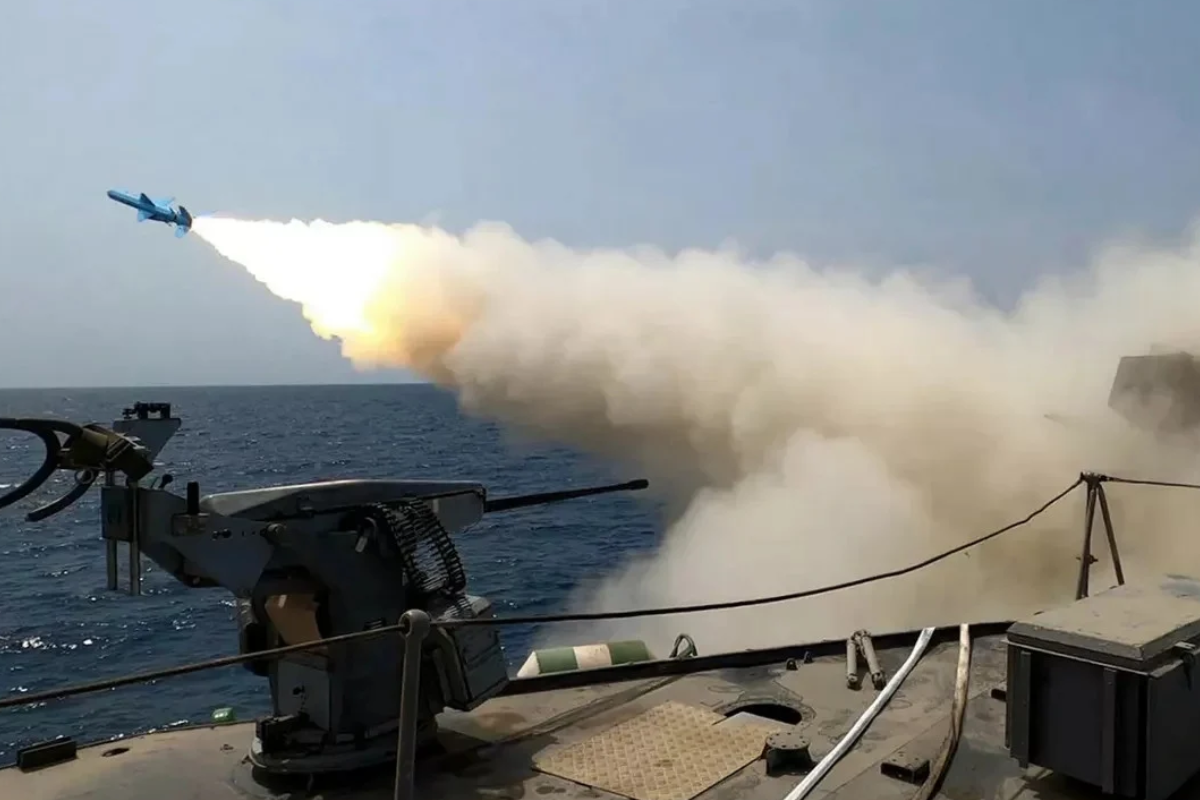
Iran has publicised what it describes as a far-reaching and potentially devastating strategy for confronting its long-standing rival, the United States. The plan, reported by Tasnim News Agency, which is affiliated with the Islamic Revolutionary Guard Corps (IRGC), outlines five distinct stages designed to shape a future conflict not only on the battlefield but across the regional security environment and the global economy. The timing of the disclosure, just ahead of anticipated diplomatic contacts between officials from Tehran and Washington in Oman, has further fuelled tensions across the Middle East and revived fears of escalation following a period of fragile calm.
Iranian officials and commentators argue that the strategy is rooted in “deterrence by cost”: making any confrontation so expensive and unpredictable that Washington would ultimately prefer negotiation to prolonged conflict. The plan reflects lessons drawn from recent regional wars, economic sanctions, and the expanding role of cyber capabilities in modern warfare. While the feasibility of several elements is contested by Western analysts, the blueprint signals Tehran’s intent to widen any future confrontation beyond conventional military exchanges.
Stage One: Endurance and Retaliatory Readiness
The opening phase anticipates the possibility of US air strikes against nuclear facilities and key military bases. Rather than prioritising interception alone, Iran’s strategy emphasises preserving retaliatory capacity. Critical assets are reportedly dispersed and hardened, with extensive use of underground bunkers and redundant command structures. The objective is to absorb an initial blow while retaining the ability to respond rapidly and decisively.
Stage Two: Regionalisation of the Conflict
The second phase envisages expanding hostilities beyond Iran’s borders. The plan refers to coordinated missile and drone strikes against US military facilities in Qatar, Kuwait and the United Arab Emirates. At the same time, Tehran signals the mobilisation of allied non-state actors in Lebanon, Yemen and Iraq to exert pressure on Israel and other US partners, thereby stretching American and allied defences across multiple fronts.
Stage Three: Cyber and Infrastructure Disruption
Cyber operations form the third pillar of the strategy. Iranian planners describe targeting transport networks, power grids, financial systems and military communications in order to disrupt daily life and weaken public morale. In recent years, cyber capabilities have become a central feature of asymmetric warfare, allowing states with comparatively limited conventional power to impose disproportionate disruption at low cost.
Stage Four: Pressure on Global Energy Flows
Perhaps the most consequential element is the threat to impede shipping through the Strait of Hormuz, one of the world’s most critical energy corridors. A substantial share of globally traded oil and liquefied natural gas passes through this narrow waterway. Any sustained disruption could send energy prices sharply higher and transmit economic shockwaves well beyond the region, increasing international pressure for de-escalation.
Stage Five: Protracted Psychological Warfare
The final phase focuses on endurance and public opinion. Iranian strategists argue that the United States, scarred by the long and costly campaigns in Iraq and Afghanistan, would face domestic resistance to another prolonged and expensive conflict. By extending uncertainty and raising costs over time, Tehran believes it could push Washington back towards the negotiating table, even in the face of superior US military technology.
Key Elements of the Reported Strategy
| Stage | Focus Area | Intended Impact |
|---|---|---|
| 1 | Asset protection and retaliation | Preserve response capability after initial strikes |
| 2 | Regional expansion | Stretch US and allied forces across multiple fronts |
| 3 | Cyber disruption | Undermine infrastructure and public confidence |
| 4 | Strait of Hormuz pressure | Shock global energy markets and the world economy |
| 5 | Psychological endurance | Increase political costs of prolonged war |
Although Tehran presents the plan as a deterrent, regional governments and Western observers warn that such rhetoric risks miscalculation. With dense military deployments, volatile proxy dynamics and vital energy routes at stake, even limited incidents could escalate rapidly. The publication of a five-stage war plan therefore underscores the urgency of sustained diplomacy to prevent confrontation from tipping into a broader regional crisis.


Comments