Sunday, 5th April 2026

Khabor Wala Desk
Published: 22nd March 2026, 3:35 AM
Iran has issued a stark warning that any attack on its energy or electricity infrastructure will trigger a retaliatory strike on all United States energy installations in the Middle East. Citing the nation’s Unified Combatant Command, Iranian state media reported that the country is fully prepared to deliver a “crushing response” to any assault on its domestic energy sector.
The warning comes in direct response to a recent threat from US President Donald Trump. The US leader had issued an ultimatum stating that unless Iran fully reopens the strategically vital Strait of Hormuz within 48 hours, American forces would target and “obliterate” all of Iran’s power plants.
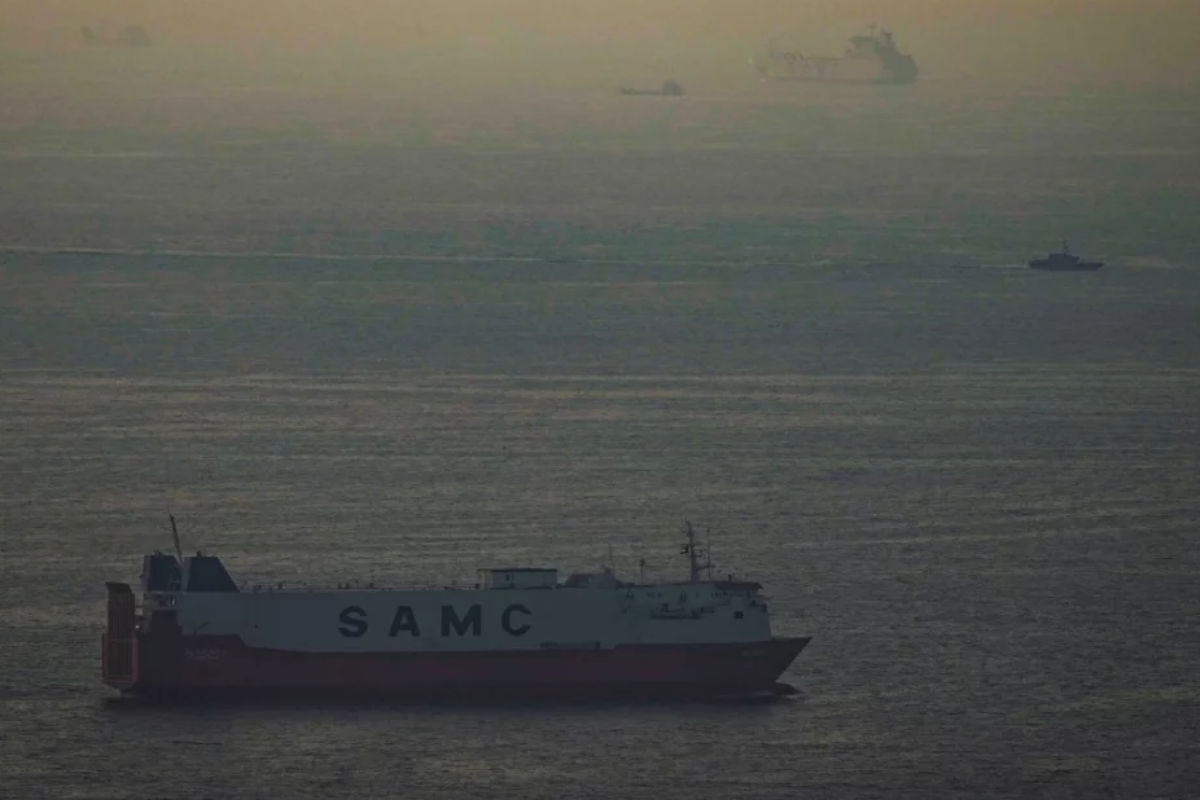
Since the escalation, more than 1,000 commercial vessels—predominantly oil and gas tankers—have become stranded in the Strait, causing severe disruption to global energy markets. This maritime blockade has heightened a worldwide fuel crisis and threatened the stability of international oil supplies.
The Strait of Hormuz, a narrow passageway of just two miles width, is the sole maritime exit from the Persian Gulf and carries approximately one-quarter of the world’s seaborne crude oil and liquefied natural gas (LNG). The disruption of this critical route has sent shockwaves through the global economy.
| Feature | Details |
|---|---|
| Width | Approximately 2 miles (3.2 km) |
| Number of vessels stranded | 1,000+ (mainly oil and LNG tankers) |
| Global crude oil transit | ~20% of seaborne oil |
| Global LNG transit | ~25% of seaborne LNG |
| Affected countries | Over 20 major oil-importing nations |
Iran’s military command has made it clear that its response would not be limited to defensive measures. Should the United States strike its energy grids or power infrastructure, every American-controlled oil field, refinery, and power installation in the Middle East would become a potential target.
Analysts suggest that Tehran’s firm stance signals a potential escalation of the Strait of Hormuz crisis into a full-scale regional energy conflict. As the 48-hour deadline set by Washington approaches, tension is rising across the Red Sea and Persian Gulf, with heightened risk of confrontation.
The ongoing US-Iran standoff has also had immediate consequences for consumers worldwide. While major oil-importing nations are seeking alternative supply routes, the lack of an equivalent maritime passage leaves many countries with limited options.
Tehran has repeatedly emphasised that any attack on its sovereignty or security could lead to an indefinite closure of the vital waterway. International experts warn that the resolution—or escalation—over the next two days could decisively shape the future of both the Middle Eastern geopolitical landscape and the global energy market.




Comments