Saturday, 4th April 2026

Khabor Wala Desk
Published: 20th March 2026, 9:20 AM
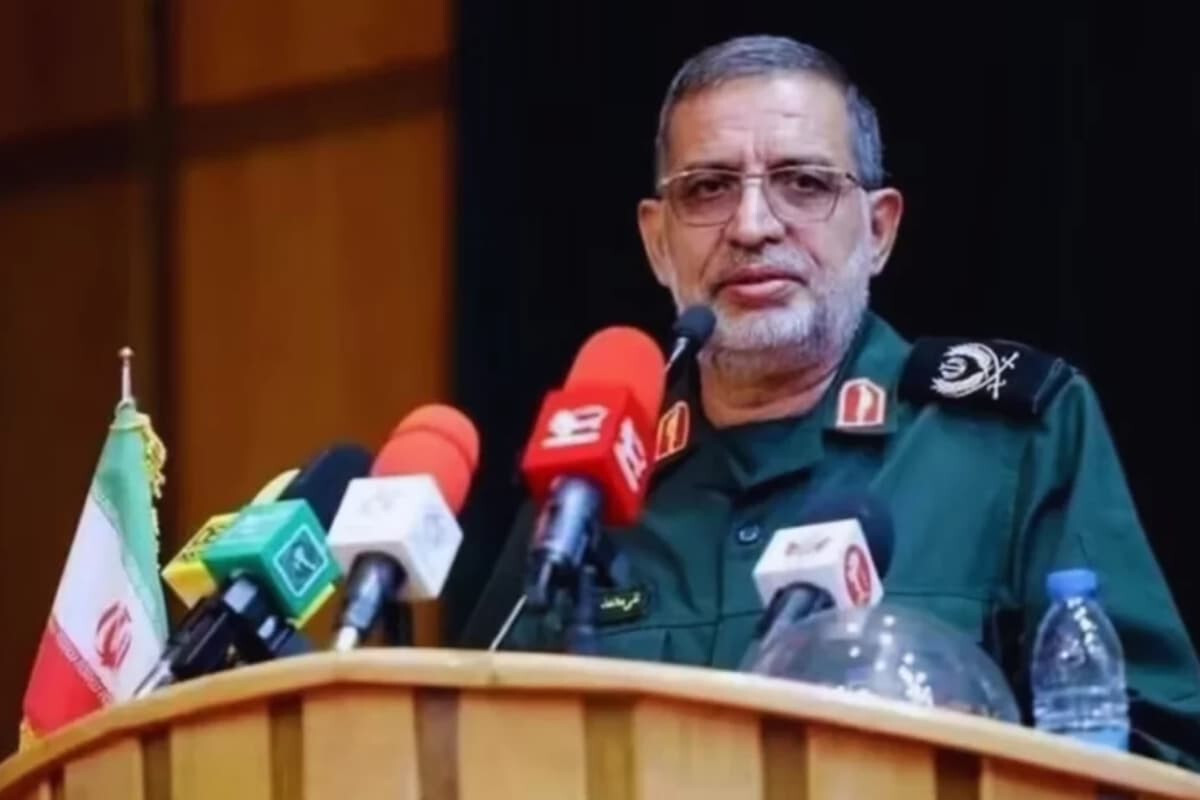
Ali Mohammad Nayini, the official spokesperson for Iran’s Islamic Revolutionary Guard Corps (IRGC), has been reported killed in a joint airstrike carried out by the United States and Israel. Multiple Iranian news outlets, including Tasnim News Agency, confirmed the incident on Friday, 20 March, although independent verification of the attack remains pending.
Tehran regards Nayini’s death as a significant military loss, signalling a sharp escalation in targeted operations by Washington and Tel Aviv against Iran’s senior military and security figures. Analysts suggest this latest strike forms part of a broader campaign aimed at systematically weakening Iran’s top leadership.
In recent weeks, similar precision attacks have resulted in the deaths of several high-ranking Iranian officials. Notably, reports indicate that former Supreme Leader Ayatollah Ali Khamenei was previously assassinated in an airstrike, while other senior figures—including security chief Ali Larijani, Basij paramilitary commander Gholamreza Soleimani, and intelligence minister Esmail Khatib—have also been killed since the onset of the conflict. The cumulative loss of these officials has placed enormous strain on Iran’s military and administrative structures.
General Nayini had recently issued a forceful rebuttal to Israeli Prime Minister Benjamin Netanyahu’s claims concerning missile production in Iran. His death comes at a time when the country’s military capabilities are under intense scrutiny and debate on the international stage.
Iranian state media have described Nayini as a “martyr” and expressed profound grief over his passing. However, the exact location and timing of the airstrike have not yet been disclosed. In response, Tehran has issued warnings of possible retaliatory actions, heightening regional tensions.
Experts warn that the elimination of such a senior IRGC figure represents not only a tactical blow but also a psychological setback for the organisation. The incident may exacerbate instability in the Middle East, particularly as it coincides with the final weeks of Ramadan, when regional sensitivities are already heightened.
| Name | Position | Reported Date of Death | Circumstances |
|---|---|---|---|
| Ali Mohammad Nayini | IRGC Spokesperson | 20 March 2026 | Joint US-Israel airstrike |
| Ali Larijani | Security Chief | 2026 | Targeted operation |
| Gholamreza Soleimani | Basij Commander | 2026 | Military strike |
| Esmail Khatib | Intelligence Minister | 2026 | Targeted attack |
| Ayatollah Ali Khamenei | Former Supreme Leader | 2026 | Airstrike assassination |
The succession of these high-profile deaths raises questions about the resilience of Iran’s military command and the potential for further escalation. Observers caution that continued targeted operations could provoke broader conflict across the region, making the situation increasingly volatile.




Comments