Monday, 6th April 2026

Khabor Wala Desk
Published: 6th March 2026, 12:53 PM
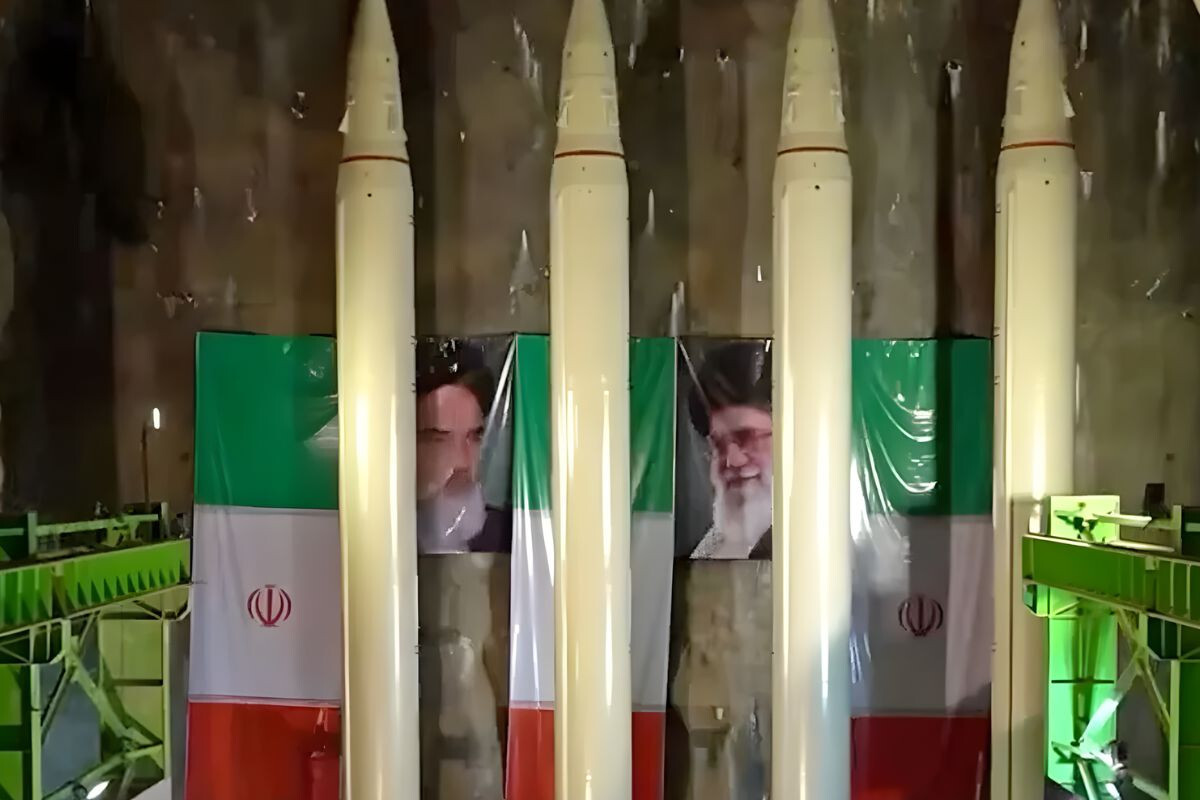
For over a decade, Iran has been quietly constructing enormous underground “missile cities” — vast subterranean bunkers designed to shield its arsenal from aerial attacks. These secret facilities, dug deep beneath the surface, were intended to ensure that Tehran’s missile capabilities remained invulnerable in the event of strikes from hostile powers.
However, in the current climate of heightened tensions with the United States and Israel, military analysts warn that this long-term defensive strategy has become a critical vulnerability. Recent intelligence reports and satellite imagery suggest that the entrances to these tunnel networks, once hidden and secure, are now under constant surveillance by US and Israeli drones and fighter aircraft.
Whenever missile-laden trucks or launchers attempt to exit these bunkers, they are reportedly tracked and targeted from the air. In some instances, powerful bombs dropped by American strike aircraft have completely sealed tunnel entrances, trapping large quantities of missiles underground. This situation has exposed the very heart of Iran’s strategic stockpile to unprecedented risk.
Several international news outlets have reported repeated attacks on underground sites near key cities such as Shiraz, Isfahan, Tabriz, and Kermanshah. Although Tehran released a video last March showcasing one of its massive underground facilities to demonstrate its military strength, experts now suggest that this strategy offers limited protection. Technical difficulties in launching missiles from within tunnels, combined with the risk of storing large stockpiles in a single location, have forced Iran to reconsider its deployment methods.
Current assessments indicate that Iran is increasingly dispersing its missile launchers and mobile missile units in open locations, a desperate measure aimed at reducing vulnerability to aerial strikes. Pentagon and Israeli officials report a slight decline in Iranian missile and drone attacks over the past few days. Analysts attribute this either to the partial destruction of launch facilities or to Tehran’s efforts to consolidate its remaining arsenal — estimated between 2,500 and 6,000 missiles — in preparation for prolonged conflict.
This evolving situation is reshaping the military calculus in the Middle East, highlighting the growing peril of fixed underground arsenals in modern warfare.
| City | Reported Underground Sites | Status / Threats |
|---|---|---|
| Shiraz | Multiple bunkers | Repeated air surveillance; some entrances blocked |
| Isfahan | Missile tunnels | Targeted by drones; launch operations constrained |
| Tabriz | Subterranean facilities | Monitored by US/Israeli aircraft |
| Kermanshah | Underground storage | Some entrances sealed; missiles trapped |



Comments