Sunday, 5th April 2026

Khabor Wala Desk
Published: 29th November 2025, 6:39 AM
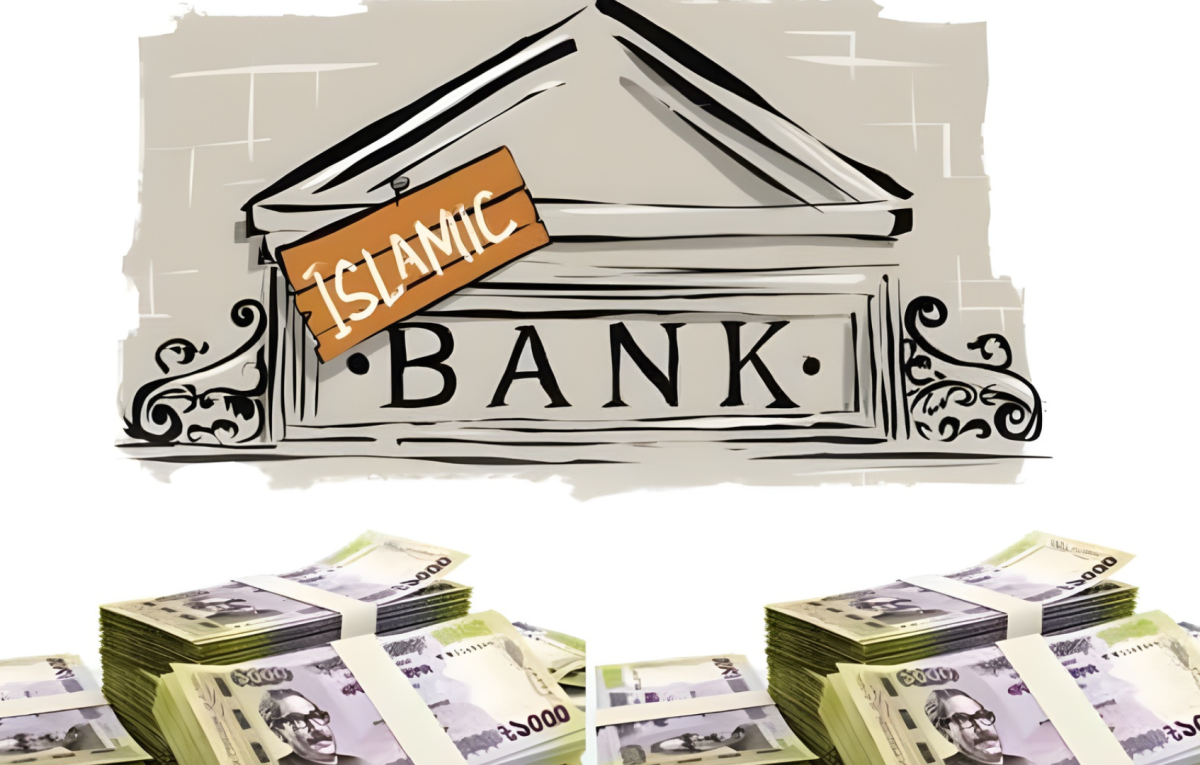
Bangladesh’s Islamic banking sector demonstrated remarkable growth across multiple financial indicators in September 2025, according to the latest data from Bangladesh Bank. While deposits, investments, total assets, and remittance inflows all posted strong gains, export proceeds handled through Islamic banks showed a sharp decline, highlighting structural weaknesses in external trade.
Islamic banks’ total deposits increased from Tk 4.34 trillion in September 2024 to Tk 4.67 trillion in September 2025, a 7.52 per cent rise. Investments in the sector grew even faster, rising from Tk 5.17 trillion to Tk 5.73 trillion, representing a 10.86 per cent increase over the same period.
| Indicator | September 2024 | September 2025 | Growth |
|---|---|---|---|
| Total Deposits | Tk 4.34 trillion | Tk 4.67 trillion | 7.52% |
| Total Investments | Tk 5.17 trillion | Tk 5.73 trillion | 10.86% |
| Total Assets | Tk 8.50 trillion | Tk 9.54 trillion | 12.26% |
| Agent Banking Deposits | Tk 209 billion | Tk 264 billion | 26.35% |
The total banking system also experienced steady growth. System-wide deposits rose from Tk 18.58 trillion to Tk 20.63 trillion, an 11.02 per cent increase, while total investments grew from Tk 20.84 trillion to Tk 23.28 trillion, a growth of 11.72 per cent.
Total assets of Islamic banks expanded to Tk 9.54 trillion from Tk 8.50 trillion, reflecting a 12.26 per cent increase, yet export proceeds fell sharply from $837 million to $703 million, a 16 per cent decline. Imports also decreased slightly from $1.07 billion to $1.01 billion, a 5.23 per cent drop.
Remittances provided a bright spot for the sector. Islamic banks’ share of remittance inflows rose from 22.45 per cent in September 2024 to 30.44 per cent in September 2025, with the total volume increasing from $540 million to $818 million. Agent banking deposits further strengthened the sector’s position, rising from Tk 209 billion to Tk 264 billion, marking 26.35 per cent annual growth.
Experts suggest that this data indicates a growing preference for Shariah-compliant banking, particularly for remittance and deposit services. The decline in export earnings, however, underscores vulnerabilities in global demand and domestic shipment processing.
Dr Masrur Reaz, chairman of Policy Exchange Bangladesh (PEB), commented, “Islamic banks’ continued growth illustrates their expanding role in the financial landscape. Strong customer confidence, especially among migrant and rural households, is driving this expansion.”
He cautioned that falling export proceeds highlight structural challenges. “Banks need to diversify their product range, strengthen trade finance capabilities, and enhance compliance standards to secure a larger share of export revenue,” Dr Reaz said.
He emphasised that sustained growth depends on governance reforms, technological service expansion, and tighter regulatory oversight. “Islamic banks are well-placed to take on a larger role, but efficiency, transparency, and innovation will be critical to compete effectively in a changing financial environment,” he added.




Comments