Sunday, 5th April 2026

Khabor Wala Desk
Published: 27th July 2025, 3:07 PM
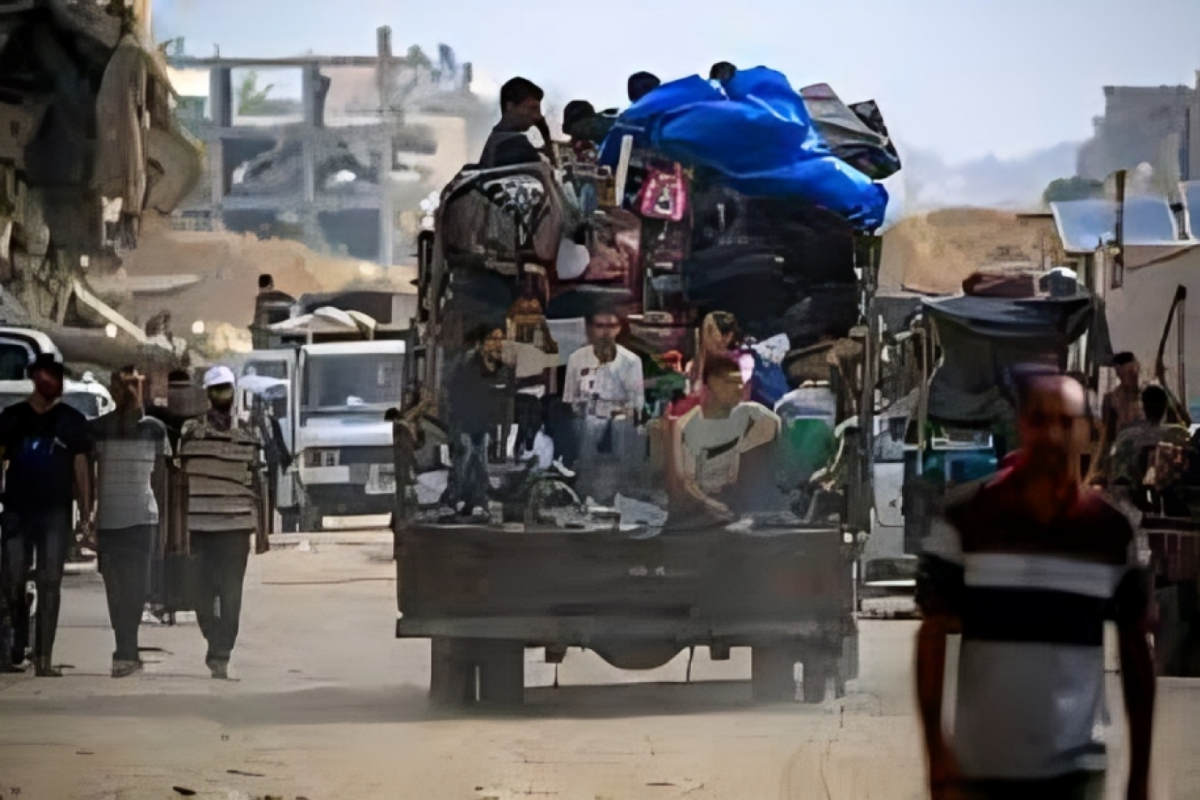
Israel announced on Saturday that it would allow aid airdrops to resume over Gaza and establish designated humanitarian corridors for United Nations aid convoys. The move comes amid warnings of imminent famine among thousands of Palestinians and follows growing international pressure to ease restrictions on humanitarian access.
Prior to Israel’s decision, the United Arab Emirates had already declared plans to restart its airdrop operations, while the United Kingdom expressed willingness to coordinate with Jordan and other partners in delivering urgent supplies.
Coordination with International Agencies
According to an official Israeli statement:
“The humanitarian airdrop operation will be conducted in coordination with international aid organisations and the Israeli army, led by COGAT (Coordinator of Government Activities in the Territories) and the IAF (Israeli Air Force).”
The same statement further noted that designated corridors would be established to facilitate safe passage for UN convoys delivering food and medical supplies.
“This initiative aims to improve the humanitarian situation in Gaza and to counter the false claim of deliberate starvation in the Gaza Strip.”
International Responses and Airdrop Commitments
| Country | Action/Commitment |
| United Arab Emirates | Announced immediate resumption of airdrops. |
| United Kingdom | Will work with Jordan to support aid drops and evacuate medical cases. |
| Jordan | Partnering with UK and UAE for airdrops. |
| United States | Previously coordinated aid corridors and supported Gaza Humanitarian Foundation. |
“The humanitarian situation in Gaza has reached a critical and unprecedented level. Airdrops are resuming once more, immediately.”
— Sheikh Abdullah bin Zayed Al Nahyan, UAE Foreign Minister (via X)
British Prime Minister Keir Starmer, in a joint call with French and German leaders, confirmed:
“The UK will take forward plans to work with partners such as Jordan to airdrop aid and evacuate children requiring medical assistance.”
Aid Efforts Amid Ongoing Violence
Despite the apparent easing of restrictions, violence has persisted. On Saturday alone, the Palestinian civil defence agency reported:
Meanwhile, a boat from the Freedom Flotilla Coalition, named Handala, attempted to approach Gaza by sea, challenging Israel’s naval blockade. The Israeli military stated it was monitoring the situation and prepared to enforce its “legal maritime security blockade.”
Death Toll and Blockade Conditions
| Date/Action | Details |
| March 2, 2025 | Israel imposed a total blockade on aid after ceasefire talks failed. |
| Late May, 2025 | Israel permitted limited aid to re-enter Gaza. |
| Current Palestinian Death Toll | 59,733 (according to Gaza’s health ministry) |
| Israeli Deaths (since Oct 2023) | 1,219 (mostly civilians, per AFP tally based on Israeli sources) |
Israel’s military maintains that it does not limit the number of trucks entering Gaza and accuses UN agencies of failing to collect supplies at border crossings. However, humanitarian groups strongly contest this, alleging:
A separate initiative, the Gaza Humanitarian Foundation, jointly backed by Israel and the US, has come under international scrutiny, particularly after Israeli fire killed hundreds near aid handout areas.
Concerns Over Airdrop Effectiveness
Despite political support, many humanitarian officials have expressed scepticism about the usefulness of airdrops in alleviating starvation.
“Airdrops will not reverse the deepening starvation. They are expensive, inefficient and can even kill starving civilians.”
— Philippe Lazzarini, Head of UNRWA (United Nations Relief and Works Agency)
Airdrops had previously been deployed in 2024, when land deliveries also faced Israeli restrictions. However, many in the humanitarian sector argue that only large-scale overland access can effectively meet Gaza’s growing needs
Humanitarian Outlook: Critical and Uncertain
With more than two million residents affected, Gaza’s humanitarian crisis is deepening. While Saturday’s announcement marks a potential turning point in aid access, media blackouts and restricted access have made it difficult to independently verify figures and conditions on the ground.
As conflict continues, and international efforts intensify, the success of resumed airdrops and proposed corridors will depend largely on sustained cooperation, security assurances, and uninterrupted humanitarian logistics.



Comments