Monday, 6th April 2026

Khabor Wala Desk
Published: 17th March 2026, 10:33 AM
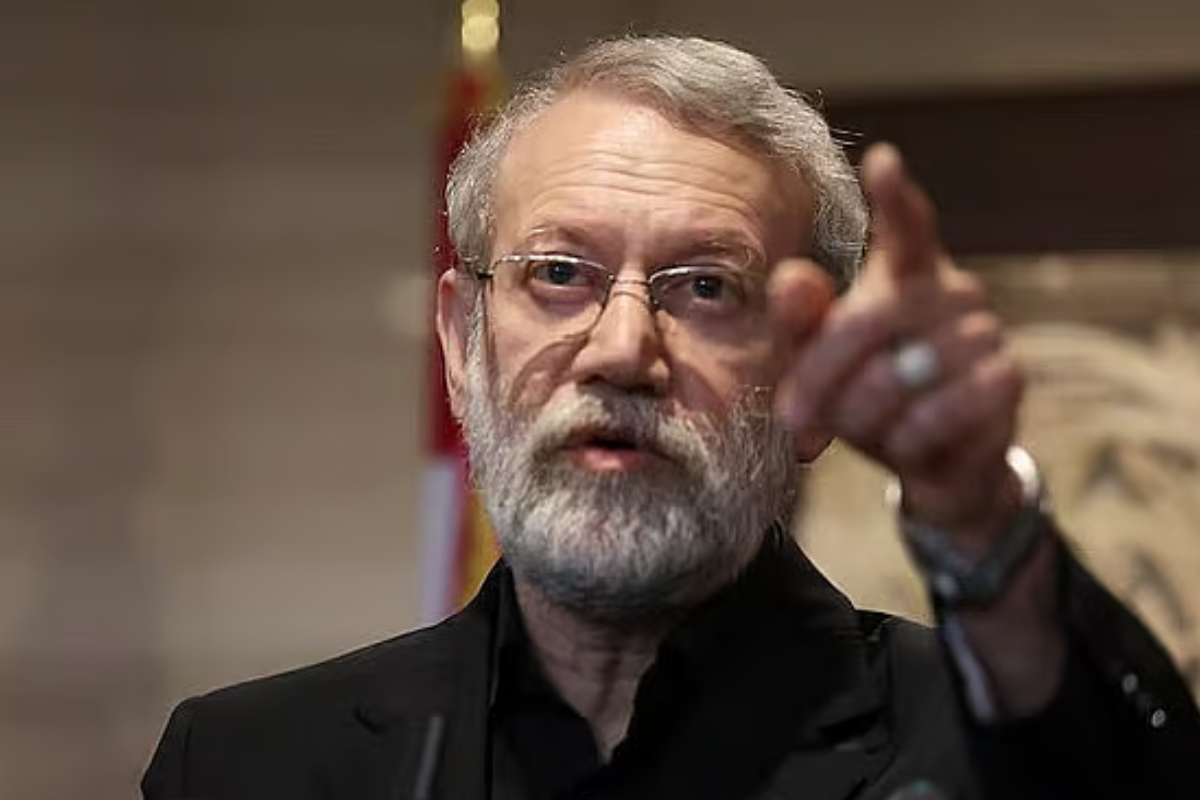
Israel’s Defence Minister Israel Katz has claimed that Ali Larijani, head of Iran’s Supreme National Security Council, and Qasem Soleimani, commander of the Basij forces, have been killed. Larijani, widely regarded as one of Iran’s most senior surviving leaders, played a pivotal role in the country’s political and security apparatus for several decades.
In a statement released on Tuesday, Katz confirmed the deaths, although Tehran has not yet issued any official response. International media outlets are closely monitoring the situation and awaiting further verification and details.
Larijani, aged 67, was known for his calm, pragmatic approach within Iran’s complex political hierarchy. Over the years, he gained recognition both domestically and internationally for his diplomatic skills and scholarly contributions. He authored a book on the 18th-century German philosopher Immanuel Kant and actively participated in negotiations with Western powers over Iran’s nuclear programme.
Notably, on 1 March, Larijani’s tone appeared to shift. This followed a US and Israeli airstrike in which Iran’s Supreme Leader Ayatollah Ali Khamenei and IRGC commander Mohammad Pakpour were reportedly killed. Within 24 hours, Larijani appeared on state television delivering fiery remarks, signalling a more confrontational stance.
Qasem Soleimani, the Basij forces chief, was a central figure in Iran’s internal security and paramilitary operations. Under his leadership, the Basij played a critical role in domestic stability and counterinsurgency measures. His death, if confirmed, could create significant shifts in Iran’s military command structure and strategic planning.
The following table summarises key information about both leaders:
| Leader | Position | Age | Notable Roles |
|---|---|---|---|
| Ali Larijani | Supreme National Security Council Head | 67 | Nuclear negotiator, author on Kant, senior political strategist |
| Qasem Soleimani | Basij Forces Commander | Approx. 65 | Domestic security operations, paramilitary leadership |
Analysts warn that the alleged deaths may have major repercussions for Iran’s internal power balance, potentially triggering shifts within the country’s political and military hierarchy. International observers are also concerned about potential escalations in the Middle East as regional actors respond to these developments.
While the claims remain unverified by Iranian authorities, the announcement by Israel has already prompted intense global attention. The coming days are expected to bring further analysis, reactions, and possibly additional reports confirming or refuting these claims.
The unfolding situation underscores the fragility of regional security and the heightened tensions between Iran, Israel, and their international counterparts.



Comments