Sunday, 5th April 2026

Khabor Wala Desk
Published: 8th March 2026, 4:19 AM
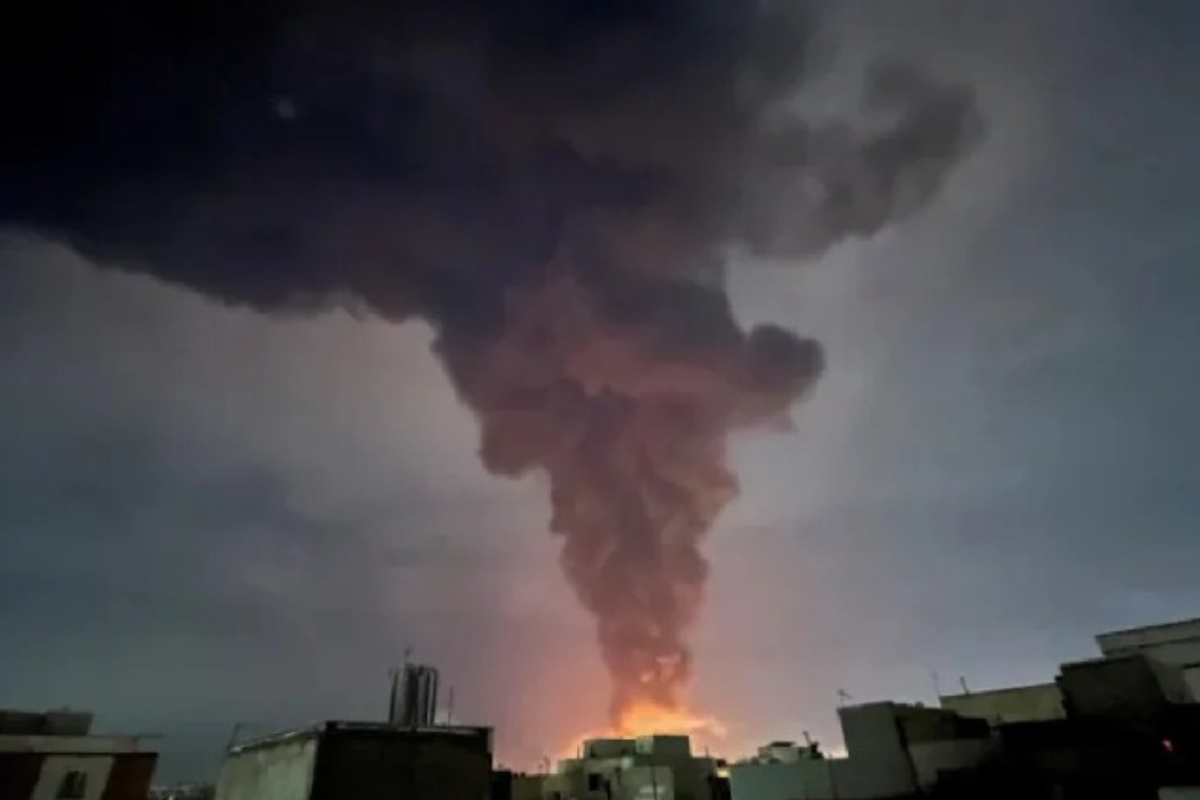
In a dramatic escalation of regional tensions, the Israeli Defence Forces (IDF) have carried out a direct assault on Iran’s oil fields and infrastructure for the first time. The attack targeted a major refinery in northern Tehran, marking a significant development in the ongoing conflict between Tehran and Jerusalem.
Following the strike, videos circulated on social media showing massive plumes of fire and smoke rising from the refinery. Eyewitnesses reported explosions and flames engulfing large sections of the facility, raising concerns about both environmental and economic impact.
Reports suggest that this may be the first instance in modern warfare history where civilian industrial infrastructure has been deliberately targeted in such a manner, highlighting the unprecedented nature of the assault.
The IDF confirmed that its operations struck “several fuel storage facilities” within Iran, emphasising the precision of the attacks. While official casualty figures have not yet been released, the strike is expected to disrupt fuel supply in the region.
| Parameter | Details |
|---|---|
| Target | Oil refinery and fuel storage facilities, northern Tehran |
| Attacking Force | Israeli Defence Forces (IDF) |
| Date of Attack | Reported 8 March 2026 |
| Damage | Large fires and structural destruction at refinery |
| Civilian Casualties | Not reported |
| Iran’s Response | Blames Israel and the United States for the assault |
| Strategic Importance | Key refinery supplied fuel to Tehran and northern provinces |
The Iranian government has attributed the attack to both Israel and the United States, condemning the assault on its energy infrastructure. Officials stressed that the refinery was a crucial source of fuel for Tehran and the northern provinces, warning of potential shortages and wider economic consequences.
The strike represents a sharp intensification in the ongoing shadow conflict over Iran’s nuclear and energy infrastructure, signalling that Israel is willing to target critical civilian-linked assets to exert strategic pressure on Tehran.
Analysts warn that the attack could heighten tensions across the Middle East, potentially prompting retaliatory measures from Iran. The disruption of fuel supplies in northern Iran may affect domestic transportation, industrial output, and international energy markets, adding to geopolitical uncertainty.
Observers note that the operation may also serve as a warning to Tehran against future military or nuclear provocations, demonstrating Israel’s capacity to carry out high-precision strikes deep within Iranian territory.
With both nations already engaged in a pattern of strategic messaging and targeted operations, the attack on the Tehran refinery is likely to be a turning point in regional dynamics, escalating concerns over further confrontations and potential retaliatory strikes.


Comments