Monday, 6th April 2026

Khabor Wala Desk
Published: 18th March 2026, 9:33 AM
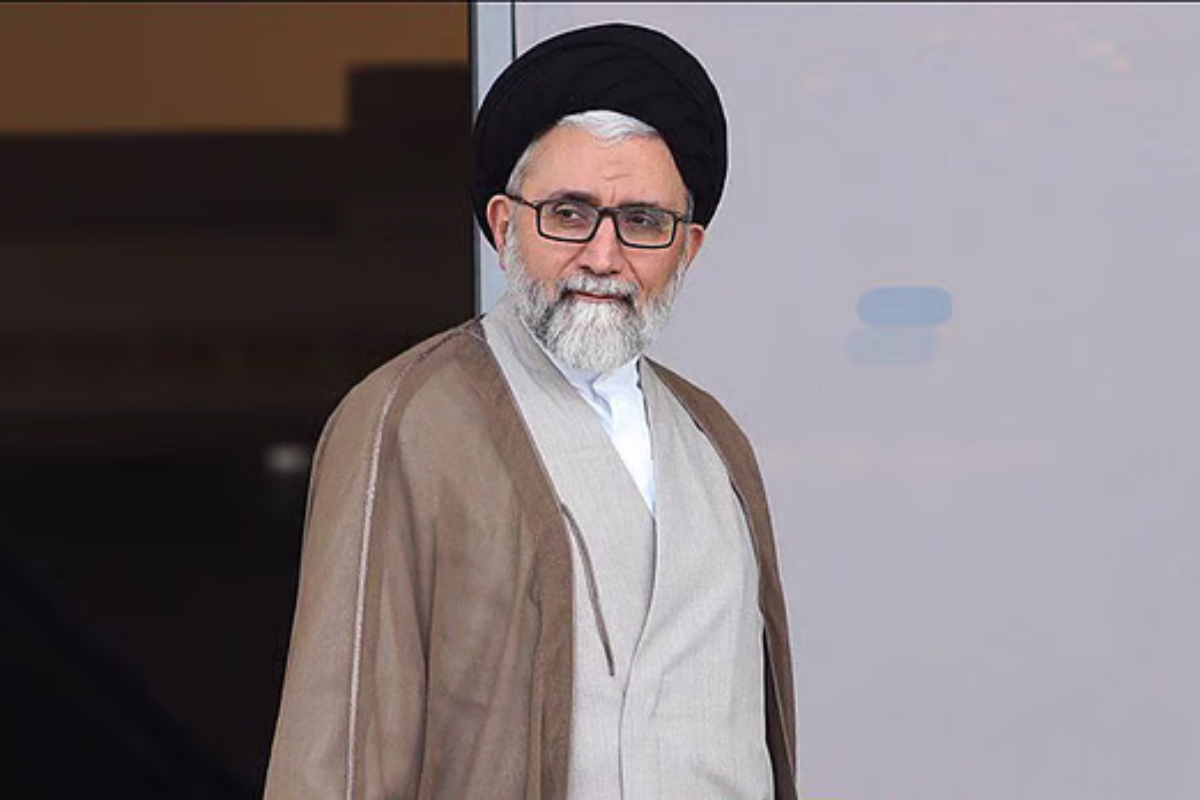
In a dramatic escalation of regional tensions, Israel reportedly targeted Iran’s intelligence minister, Esmail Khatib, in Tehran on Tuesday night, just one day after the assassination of Iran’s national security adviser, Ali Larijani. The attack marks a continuation of a series of high-profile operations against senior Iranian officials, signalling a new phase in the ongoing covert conflict between the two nations.
According to an Israeli official who requested anonymity, the operation specifically aimed at Khatib, though Israel has not confirmed whether the minister was killed or injured. The precise nature of the attack, whether a drone strike, explosive device, or other method, has not been publicly disclosed, leaving the situation shrouded in uncertainty.
Iranian authorities have yet to release an official statement, but security measures across Tehran have reportedly been heightened, particularly around key government and intelligence installations. The move follows last week’s assassination of Ali Larijani, a key figure in Iran’s national security apparatus, which had already triggered a surge in alert levels across the capital.
Experts suggest that these attacks are part of a broader strategic campaign by Israel to destabilise Iran’s intelligence leadership and undermine its regional operations. Such incidents risk further escalating tensions across the Middle East, potentially drawing international attention and intervention.
| Date | Target | Location | Status | Notes |
|---|---|---|---|---|
| Previous Day | Ali Larijani, National Security Adviser | Tehran | Assassinated | Increased nationwide alert levels |
| Tuesday Night | Esmail Khatib, Intelligence Minister | Tehran | Unknown | Israel has not confirmed casualties |
Security analysts have warned that targeting senior officials can have significant geopolitical consequences. The timing of this attack, following Larijani’s assassination, underscores the deliberate nature of these operations. Tehran remains on high alert, and public safety measures have been reinforced across the city.
International observers have expressed concern over the potential for escalation, noting that a miscalculation could provoke a broader conflict. Iran and Israel have long engaged in covert operations against each other, but these consecutive high-profile attacks indicate an intensification of that shadow war.
For the moment, the status of Esmail Khatib remains unclear, and both national and international security agencies are closely monitoring developments. Any confirmation of casualties or further attacks could have serious repercussions for regional stability.
The unfolding situation illustrates the persistent volatility in Middle Eastern geopolitics and highlights the dangers posed by targeted assassinations of top government officials.



Comments