Sunday, 5th April 2026

Khabor Wala Desk
Published: 9th March 2026, 8:21 AM
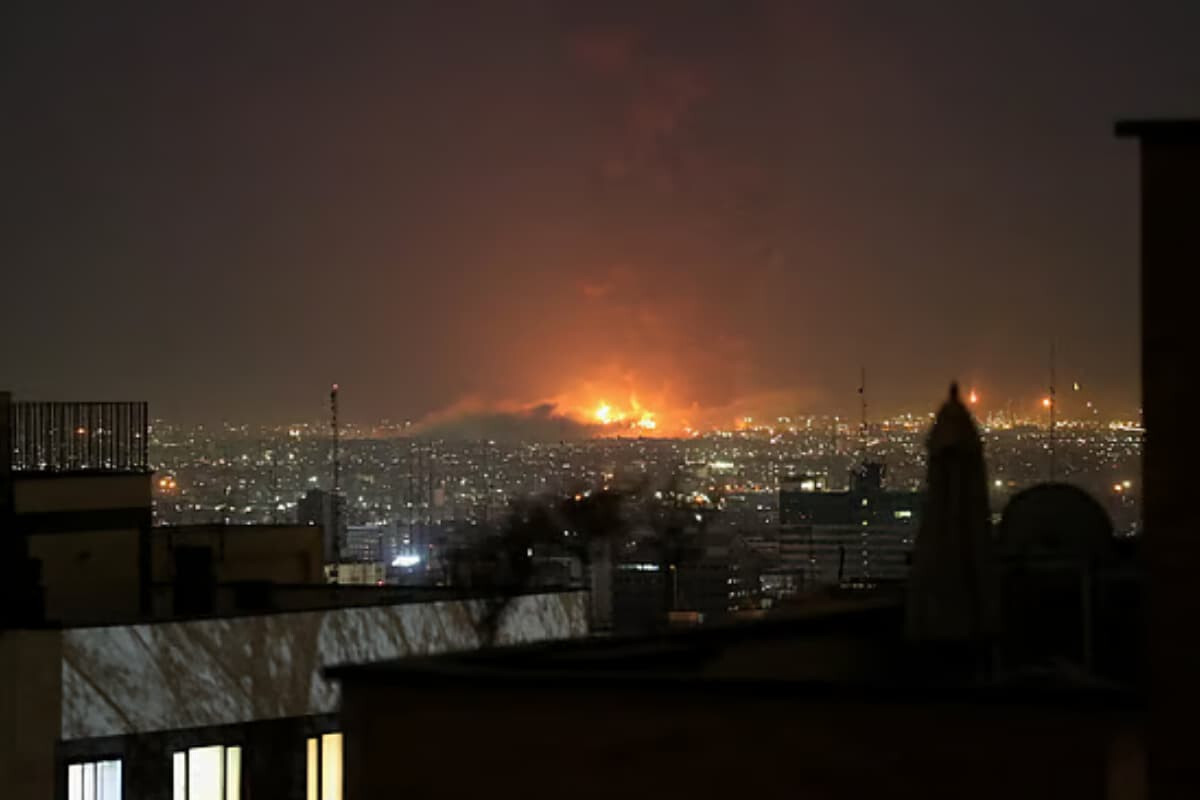
The conflict between Israel and Iran entered its tenth day on Monday, with Israel announcing a fresh wave of air strikes against strategic targets inside Iran, including senior figures associated with the country’s leadership.
The Israel Defense Forces (IDF) said in a statement that it had launched renewed aerial operations aimed at what it described as “infrastructure belonging to the Iranian regime” located in central parts of the country. According to the Israeli military, the strikes form part of a broader campaign designed to weaken Iran’s command structure and disrupt its military coordination.
Israeli officials further stated that the operation specifically targeted senior Iranian officials connected to the country’s leadership and military institutions. The IDF maintained that it intends to continue striking such figures as part of its effort to limit Iran’s strategic capabilities.
One of the most significant claims made by Israel concerns the death of Abolqasem Babaiyan, who was reportedly serving as the head of the military office of Iran’s Supreme Leader. Israeli authorities said Babaiyan had been recently appointed to the role and was killed during an Israeli strike conducted on Saturday. If confirmed, his death would mark one of the most senior Iranian leadership losses since the current escalation began.
Iranian officials have not immediately provided detailed confirmation regarding Babaiyan’s death, and independent verification of the claim remains limited. However, Iranian state-linked media have acknowledged that several government and security facilities in central regions of the country have come under aerial attack in recent days.
The latest strikes highlight a sharp intensification of hostilities between the two long-standing regional adversaries. Military analysts note that targeting senior officials represents a significant escalation, as such actions are intended to disrupt decision-making structures and potentially deter further operations against Israeli interests.
The ongoing confrontation has also raised concerns among international observers about the risk of a broader regional conflict. Diplomatic efforts by several countries and international organisations have so far failed to produce a ceasefire or de-escalation agreement.
The following table summarises key developments reported so far in the latest phase of the conflict.
| Key Aspect | Details |
|---|---|
| Conflict Day | Tenth day of ongoing hostilities |
| Attacking Side | Israel |
| Operation Type | Aerial strikes on strategic infrastructure |
| Targeted Locations | Central Iran |
| Main Targets | Senior officials and regime infrastructure |
| Reported Casualty | Abolqasem Babaiyan, head of the Supreme Leader’s military office |
| Date of Reported Killing | Saturday during Israeli strike |
| Source of Information | Reuters citing Israeli military statements |
Security experts suggest that continued strikes on leadership and military infrastructure could significantly affect Iran’s internal command networks. Nevertheless, they also warn that such actions may provoke retaliatory operations, potentially prolonging the confrontation.
As the conflict enters its second week, the international community continues to monitor developments closely, while calls for restraint and diplomatic engagement grow louder.
Source: Reuters



Comments