Sunday, 5th April 2026

Khabor Wala Desk
Published: 10th November 2025, 4:36 AM
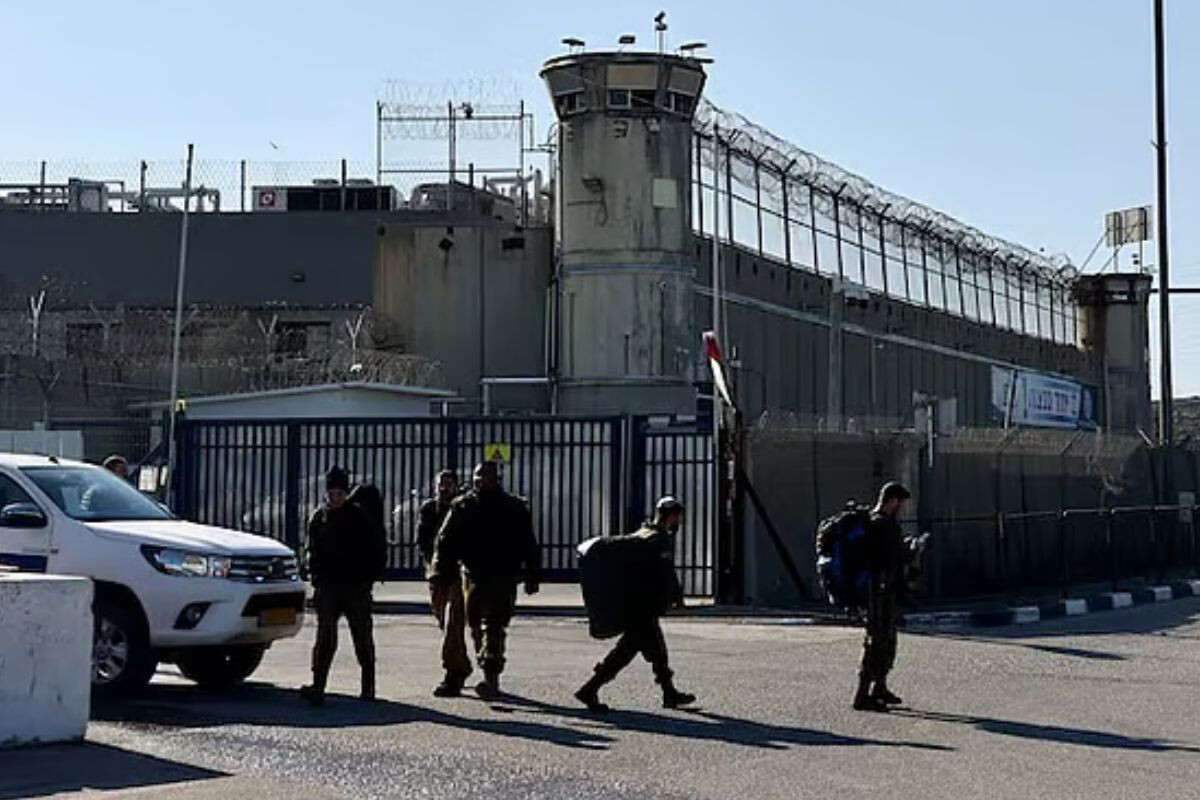
Israel has detained dozens of Palestinians in an underground secret prison where they never see sunlight, receive insufficient food, and remain cut off from family and the outside world. Human rights lawyers and the organization PCATI have raised concerns over these conditions.
Among those held are at least two civilians — a male nurse who was arrested while wearing his hospital uniform, and a young food vendor. Both men were transferred to Rakefet in January. They have reportedly been held for months without formal charges or trial. PCATI’s lawyers are representing them.
Rakefet was first established in the early 1980s to hold Israel’s most dangerous criminals, but it was closed a few years later amid allegations of inhumane conditions. After the Hamas attack on October 7, 2023, Israel’s security minister Itamar Ben-Gvir ordered the prison reopened. Israeli authorities say Rakefet is intended to detain fighters from Hamas or Hezbollah who require extreme security. Human rights groups, however, say many detainees are ordinary civilians who have been held for months or years without charges.
Cells, the exercise yard and legal meeting rooms at Rakefet are all underground, meaning detainees are completely cut off from natural light. PCATI says the prison was initially designed for a small number of high-risk inmates; when it closed in 1985 there were 15 prisoners. In recent months, roughly 100 Palestinians are believed to be held there.
After the Gaza ceasefire, Israel released 250 Palestinians convicted in court and 1,700 detainees from Gaza; among those released was the young food vendor from Rakefet. However, at least one nurse remains detained. Still, thousands of Palestinians remain in Israeli custody, and some have been held without charge for extended periods. PCATI calls this a violation of international human rights law.
Lawyers and investigators say procedural safeguards have been breached: detention orders were quickly approved at hearings, detainees were not provided adequate legal counsel, and meetings or time outside were strictly limited. In the cases of the nurse and the food vendor, both were reportedly held for months in uncertainty; the nurse was arrested in December 2023 while at work and transferred to Rakefet in January 2024; the vendor was detained at a security checkpoint in October 2024.
Descriptions of the prison’s interior by lawyers are grim: windowless, filthy cells; toilets unfit for use; infestation with vermin; lawyers escorted down into the subterranean rooms by guards using lifts and dirty staircases; guards warned lawyers that speaking about family or Gaza would cancel the visit. Lawyers reported many detainees shackled, regularly humiliated and beaten by guards.
Legal aid group PCATI’s executive director Tal Steiner said detainees in Rakefet include ordinary civilians and that the conditions amount to inhumane treatment with severe long-term mental and physical harm.
Israeli officials assert that Rakefet is being used to detain those who directly participated in the October 7 attack, including members of the Nukhba units. But human rights organizations have documented that many detainees are innocent Palestinians, held without sufficient legal basis — sometimes treated as bargaining chips or held outside normal judicial processes.
Courts and institutions have made rulings relevant to future discussions, but rights groups say the detention practices at Rakefet run counter to international law and may amount to cruel treatment or torture.
Lawyers Jenan Abdu and Saja Misherki Baransi, who visited Rakefet, said detainees often had no news from their families; one woman asked, “Where am I, why was I brought here?” A young vendor asked his lawyer whether his pregnant wife had safely given birth — the guards immediately stopped the conversation.
PCATI and other rights organizations have demanded independent investigations into Rakefet’s operations and called for the abusive practices to end.
Khaborwala/TSN


Comments