Monday, 6th April 2026

Khabor Wala Desk
Published: 18th March 2026, 1:12 PM
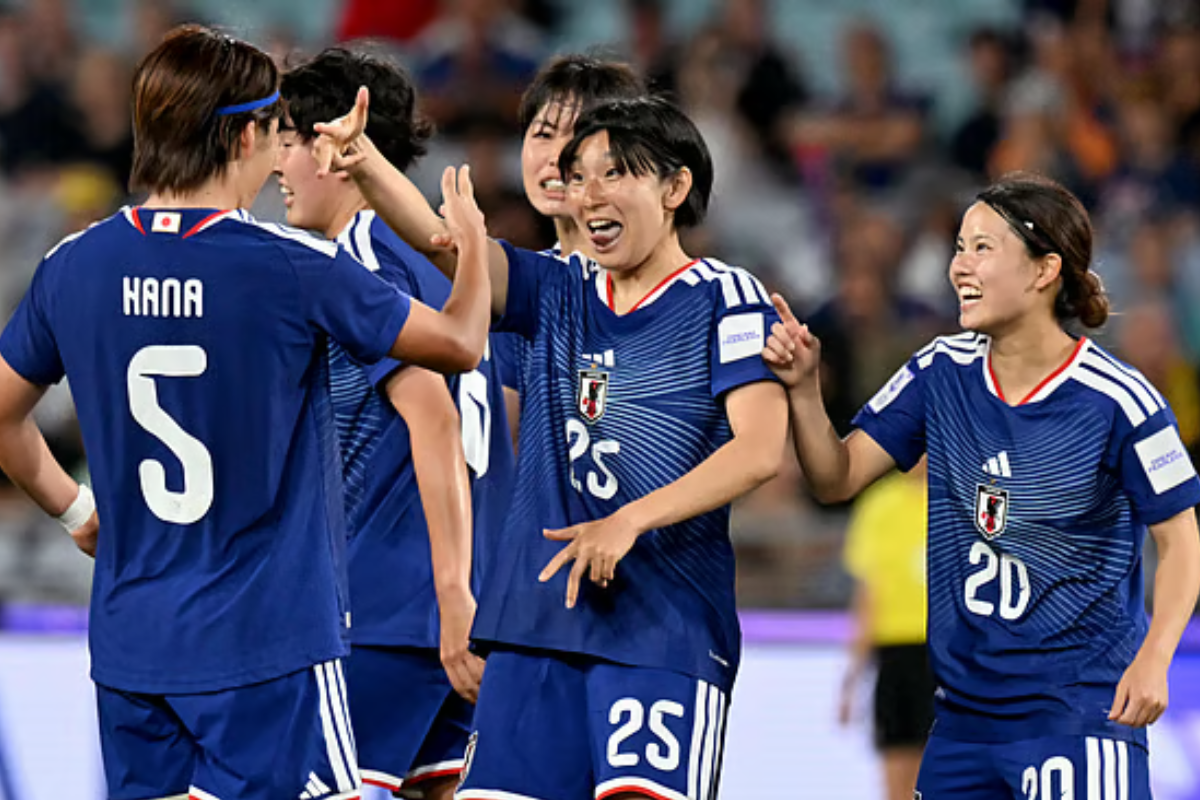
Japan’s women’s national football team secured a convincing 4–1 victory over South Korea in the second semi-final of the AFC Women’s Asian Cup, booking their place in the final. The match was held at Sydney’s Australia Stadium, where Japan dominated from the outset, taking control of the game with clinical precision and tactical discipline.
Earlier, host nation Australia had defeated China 2–1 in the first semi-final, setting up a much-anticipated final between Japan and Australia on 21 March. This will be the third final encounter between these two teams in the last four editions of the tournament. Japan emerged victorious in both the 2014 and 2018 finals against Australia.
Ranked sixth in the FIFA standings, Japan wasted no time asserting dominance against 19th-ranked South Korea. Within 25 minutes, they had already established a two-goal lead. Riko Ueki opened the scoring in the 15th minute, followed by a strike from Maika Hamano in the 25th minute, leaving South Korea struggling to respond.
Japan extended their lead in the 75th minute when Saki Kumagai scored the third goal. South Korea managed a consolation goal in the 78th minute through Kang Chae-rim, briefly reducing the deficit to 3–1. However, Remina Chiba restored Japan’s three-goal cushion just three minutes later, finalising the score at 4–1.
This victory marks Japan’s seventh appearance in an AFC Women’s Asian Cup final. Despite losing their first four finals, the nation had claimed the championship twice in recent tournaments, showcasing their resilience and consistency at the continental level.
Key match details are summarised below:
| Team | FIFA Ranking | Semi-Final Score | Goal Scorers |
|---|---|---|---|
| Japan | 6 | 4 | Riko Ueki (15′), Maika Hamano (25′), Saki Kumagai (75′), Remina Chiba (81′) |
| South Korea | 19 | 1 | Kang Chae-rim (78′) |
| Australia | 11 | 2 | Goals: unspecified |
| China | 17 | 1 | Goals: unspecified |
Analysts praised Japan’s early intensity and strategic use of possession, which allowed them to dominate the first half and control the tempo throughout the match. Ueki and Hamano’s early goals were instrumental in setting the tone, while Kumagai and Chiba’s strikes sealed the victory in the second half.
Looking ahead, Japan will face Australia in the final, aiming to capture a third Asian Cup title in the last decade. With their combination of experience, tactical awareness, and attacking prowess, Japan enters the final as strong favourites, while Australia will rely on the advantage of home support to challenge the East Asian powerhouse.
The final promises an exciting encounter, with both teams bringing proven quality and competitive history to the pitch, as Japan seeks to reaffirm its continental supremacy.



Comments