Sunday, 5th April 2026

Khabor Wala Desk
Published: 6th February 2026, 9:22 AM
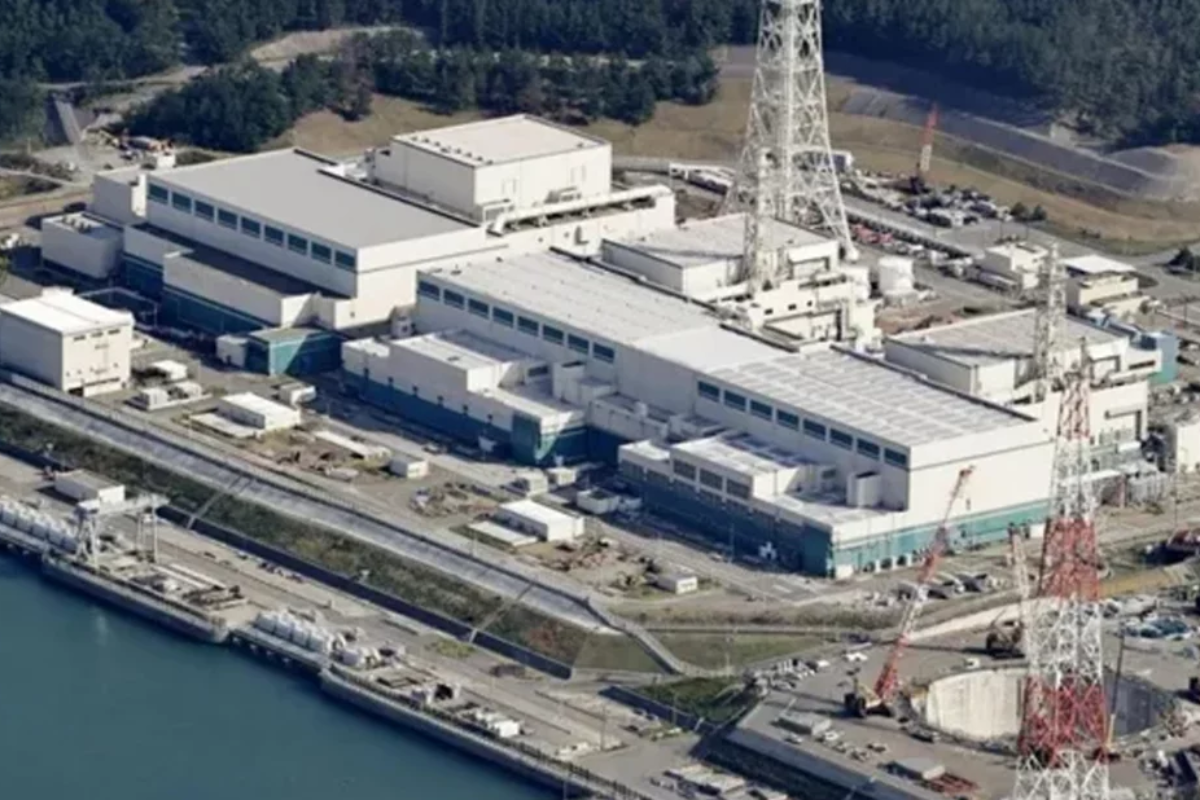
Japan is preparing to resume operations at the Kashiwazaki–Kariwa nuclear power station, the world’s largest by installed capacity, with a restart scheduled for 9 February, according to officials from Tokyo Electric Power Company (TEPCO). The move marks a significant milestone in the country’s cautious return to nuclear power generation following the Fukushima disaster of 2011, which profoundly reshaped Japan’s energy policy and regulatory framework.
The restart had briefly been postponed last month after engineers detected a fault in an alarm system only hours after initial preparations to bring one reactor back online at the Niigata Prefecture facility. TEPCO’s plant director, Takeyuki Inagaki, told reporters that the issue stemmed from incorrect alarm settings rather than any malfunction of safety equipment. He stressed that the fault posed no risk to the safe operation of the reactor and that corrective measures and additional checks have since been completed. Regulators have been informed of the findings, and the company says it has reinforced internal verification procedures to prevent a recurrence.
Kashiwazaki–Kariwa, situated on the Sea of Japan coast, comprises multiple reactors and has long been central to TEPCO’s generation portfolio. The facility was taken offline in the aftermath of the Great East Japan Earthquake and tsunami, which triggered meltdowns at the Fukushima Daiichi nuclear plant and led to the suspension of nearly all nuclear power generation nationwide. In the years since, Japan has overhauled its nuclear safety regime, introducing tougher seismic standards, upgraded emergency power supplies, enhanced flood defences, and more rigorous evacuation planning with local authorities.
The planned restart reflects broader pressures on Japan’s energy system. The country remains heavily dependent on imported fossil fuels, exposing households and industry to volatile global prices and complicating efforts to meet emissions targets. Policymakers argue that restarting selected reactors under strengthened safety rules can help stabilise electricity supply, curb fuel import costs, and support decarbonisation goals. Critics, however, continue to voice concerns about operating large nuclear facilities in a seismically active region and question whether emergency preparedness and public consent are sufficient.
Local sentiment in Niigata remains mixed. While some residents and business groups welcome the economic activity associated with reopening the plant, others demand continued transparency, independent oversight, and guarantees regarding long-term waste management and disaster response capabilities. TEPCO has pledged to hold further briefings with community leaders and to publish safety performance data as operations resume.
| Item | Details |
|---|---|
| Location | Niigata Prefecture, Japan |
| Operator | Tokyo Electric Power Company (TEPCO) |
| Status | Restart planned for 9 February |
| Noted issue | Alarm setting fault (since corrected) |
| Significance | World’s largest nuclear plant by capacity |
| Post-2011 upgrades | Seismic reinforforcements, flood defences, enhanced emergency systems |
As Japan edges back towards nuclear generation, the Kashiwazaki–Kariwa restart will be closely watched as a test of the country’s post-Fukushima safety regime, regulatory oversight, and ability to balance energy security with public confidence.



Comments