Sunday, 5th April 2026

Khabor Wala Desk
Published: 1st February 2026, 2:39 PM
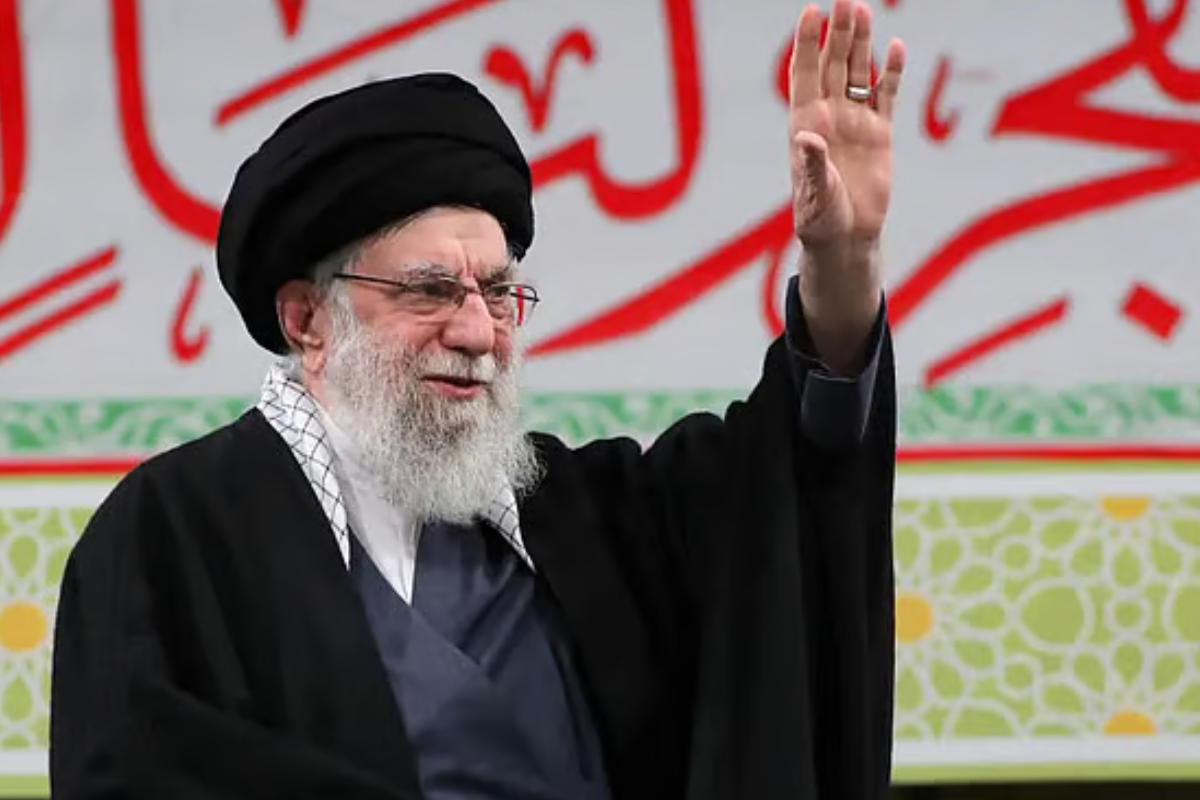
Amid escalating tensions between Washington and Tehran, Iran’s Supreme Leader, Ayatollah Ali Khamenei, has issued a stern warning to the United States, stating that any military attack on Iran would escalate into a regional conflict. The announcement was reported on Sunday by Iran’s state-controlled media.
The warning comes as U.S. President Donald Trump has repeatedly threatened military intervention, citing Iran’s nuclear programme and calling for an end to the suppression of domestic protests. In response, the United States has strengthened its naval presence in the Middle East, signalling readiness for potential conflict.
Criticising the American posture, Khamenei stated that the regular display of warships is intended to intimidate Iran, but “the Iranian nation will not be cowed, and these threats will not undermine the resolve of our people.” He added, “We do not seek war, nor do we intend to attack any country. However, should anyone assault or harass the Iranian nation, they will face a decisive and severe response.”
Diplomatic Channels Remain Open
Despite rising tensions, avenues for diplomatic resolution remain open. Tehran has expressed willingness for fair and constructive negotiations, emphasising that any dialogue must not compromise the country’s defensive capabilities.
Currently, the U.S. Navy has deployed a substantial force in the region, including destroyers, an aircraft carrier, and coastal warships, underscoring the seriousness of the standoff.
U.S. Naval Presence in the Middle East
| Naval Asset | Number Deployed |
|---|---|
| Destroyers | 6 |
| Aircraft Carrier | 1 |
| Coastal Warships | 3 |
Domestically, Iran continues to face political unrest following economic hardship. Protests that began in late December escalated into one of the most significant challenges to the Islamic Republic since its establishment in 1979. While the intensity of the demonstrations has decreased due to severe crackdowns, the human cost remains high. Government figures report 3,117 deaths, whereas U.S.-based Human Rights Activists Network (HRANA) has confirmed 6,713 fatalities. Khamenei has described the protests as an attempted insurrection aimed at striking the country’s core institutions.
Progress in Talks
While Iran’s military leadership warns Washington against attacks, senior security officials have indicated progress in bilateral talks. President Trump has confirmed ongoing discussions but has maintained the threat of force. Ali Larijani, head of Iran’s Supreme National Security Council, stated that structured preparations for dialogue continue despite media focus on war.
President Masoud Pezeshkian also warned that a large-scale conflict would harm both nations, emphasising to Egypt’s President Abdel Fattah el-Sisi that Iran seeks no war and firmly believes that armed confrontation serves no one’s interest. Qatar has acted as a regional mediator, with Prime Minister Sheikh Mohammed bin Abdulrahman Al Thani meeting Larijani in Tehran to help defuse tensions.
Meanwhile, Iran’s military chief, Amir Hatami, cautioned both the United States and Israel, asserting that Iranian forces are fully prepared militarily and defensively. He stressed that any miscalculation by adversaries could endanger regional security as well as the safety of Israel’s administration.
As diplomatic efforts and military posturing continue in parallel, the Middle East remains on a delicate knife-edge, with the potential for even a minor incident to trigger widespread instability.

Comments