Sunday, 5th April 2026

Khabor Wala Desk
Published: 23rd February 2025, 10:37 AM
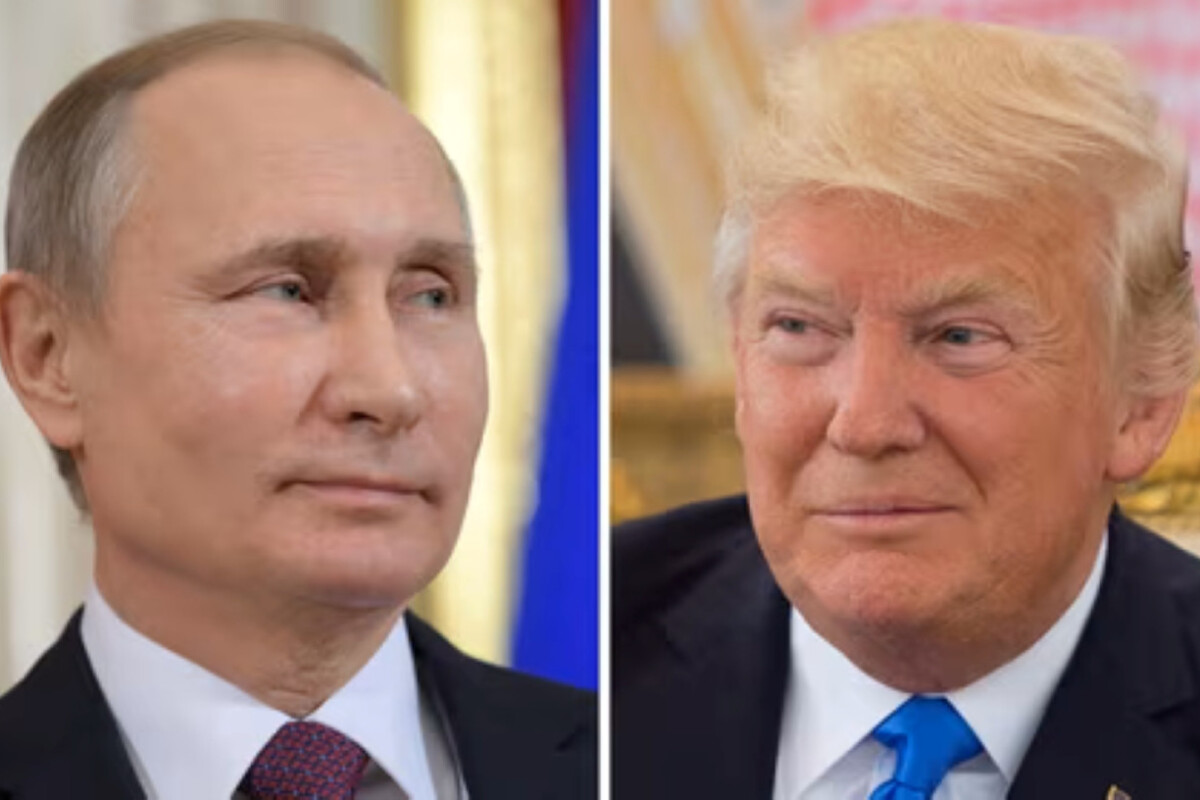
MOSCOW, Feb 23, 2025 (BSS/AFP) – The Kremlin expressed optimism on Sunday regarding the dialogue between Russian President Vladimir Putin and former US President Donald Trump, calling it “promising.” Moscow also reiterated its stance on not relinquishing any of the territory it seized in eastern Ukraine.
Trump, diverging from traditional Western policies, reached out to Putin earlier this month, initiating a conversation aimed at discussing ways to resolve the ongoing Ukraine conflict. This call marked the end of a three-year period of relative isolation for Putin, who launched a full-scale offensive in Ukraine in February 2022.
In a follow-up development, senior Russian and US officials convened in Saudi Arabia last week, where they discussed the potential restoration of diplomatic relations and broached the topic of a possible ceasefire in Ukraine. Notably, these discussions took place without the involvement of Ukraine or European representatives.
Kremlin spokesperson Dmitry Peskov characterized the dialogue as “promising” during an interview on state television, describing it as a conversation between “two extraordinary presidents.” He expressed hope that both leaders’ political will would bring the talks to fruition.
Despite the dialogue’s potential, it remains unclear whether these efforts can lead to a de-escalation of the conflict or bring Moscow and Kyiv closer to a peaceful resolution.
No Concessions on Territorial Integrity
The Kremlin was firm on its position regarding territorial integrity. Peskov emphasized that Russia would not entertain any territorial concessions as part of any peace agreement. He referred to the controversial referendums held in eastern Ukraine during Russia’s military offensive, which were widely condemned as fraudulent by Kyiv, Western nations, and international observers. “No one will ever sell off these territories. That’s the most important thing,” Peskov stated.
In a public address marking “Defender of the Fatherland Day” – a Russian holiday honoring soldiers and veterans – Putin reinforced the narrative of divine and national destiny in the ongoing conflict. He referred to the mission of defending Russia as a “difficult but honorable” task, which he claimed had been entrusted to him and the Russian military by fate and God.
Russia’s military continued its attacks, launching a record 267 drones at Ukrainian targets overnight. Ukrainian air defense systems intercepted the majority, but some regions, including Kyiv, were reported to have been hit by the remaining drones.
Tensions with Zelensky and the US
Amid Trump’s outreach to Moscow, tensions have also flared between the former US president and Ukraine’s leader, Volodymyr Zelensky. Trump has publicly criticized Zelensky, making baseless claims that Ukraine instigated the war and alleging that Zelensky is unpopular among his people. These remarks have sparked concern in Western capitals, potentially undermining support for Ukraine at a pivotal moment in the war.
In response, President Zelensky called for unity among Ukraine’s international partners, urging them to continue providing the support needed to achieve a “lasting and just peace.” He emphasized that Ukraine’s success depends on the continued strength of its global allies.
Meanwhile, Peskov defended Trump’s position, describing Zelensky’s remarks as “inappropriate” and reiterating that no leader, including Trump, would tolerate such treatment.
In response to the shifting dynamics, French President Emmanuel Macron and British Prime Minister Keir Starmer are expected to visit Washington next week to advocate for continued Western support for Ukraine.
Related Context: The Russia-Ukraine conflict has escalated since February 2022, with major global implications. NATO allies have been deeply concerned about Russia’s aggression, and the conflict has strained the international order. Trump’s public engagement with Putin signals a shift in US foreign policy, with some speculating it could affect European security dynamics. The growing divide between the US and European approaches to the war could reshape the future of transatlantic relations.



Comments