Sunday, 5th April 2026

Khabor Wala Desk
Published: 3rd November 2025, 10:45 AM
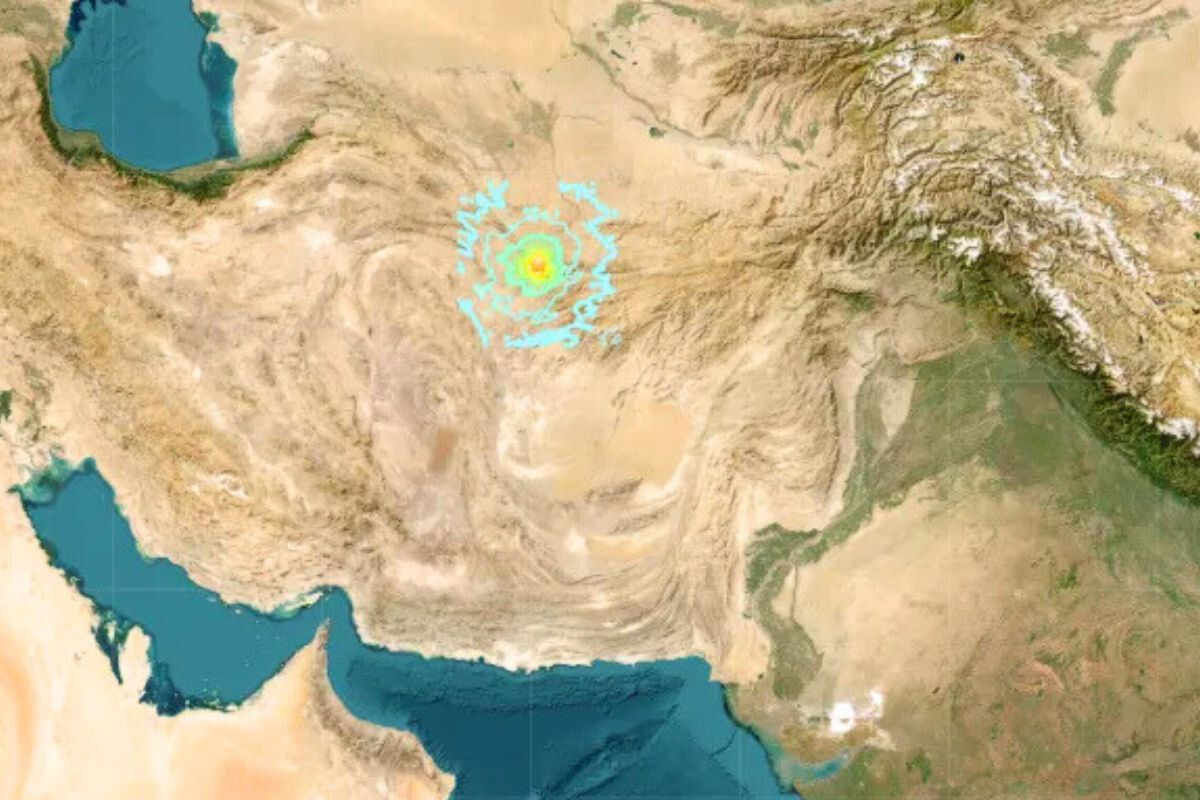
A powerful earthquake measuring 6.3 on the Richter scale struck northern Afghanistan early on Monday, according to the United States Geological Survey (USGS). The tremor comes only months after another deadly quake left the country struggling amid ongoing humanitarian crises.
The USGS reported that the quake struck in the early hours at a depth of 28 kilometres (17 miles), with its epicentre located near the city of Mazar-i-Sharif.
In the immediate aftermath, there were no reports of deaths or significant structural damage. However, Afghanistan’s limited communication networks and fragile infrastructure have historically delayed emergency responses, particularly in remote mountainous regions where it can take hours or even days for authorities to assess the full scale of destruction.
Residents of Mazar-i-Sharif—one of the largest cities in northern Afghanistan—rushed into the streets fearing their homes might collapse, an AFP correspondent observed. Tremors were also felt approximately 420 kilometres (260 miles) to the south in Kabul, the Afghan capital.
This latest quake adds to a series of natural disasters to have struck the Taliban-led government since it assumed power in 2021. The regime has faced at least three major fatal earthquakes amid declining levels of foreign aid, which once formed the backbone of Afghanistan’s fragile economy.
In August, a shallow 6.0-magnitude quake in eastern Afghanistan destroyed entire mountainside villages and killed more than 2,200 people. Earlier quakes in Herat province in 2023—close to the Iranian border—and in Nangarhar province in 2022 claimed hundreds of lives and obliterated thousands of homes.
The United Nations and humanitarian agencies have repeatedly warned of worsening hunger across Afghanistan. The country continues to endure a deepening humanitarian emergency, exacerbated by drought, international banking restrictions, and the forced return of millions of Afghan refugees from neighbouring Iran and Pakistan.
Earthquakes are a frequent occurrence in Afghanistan, particularly along the Hindu Kush mountain range, where the Eurasian and Indian tectonic plates converge. Many homes in the war-torn, predominantly rural nation are poorly constructed, leaving them highly vulnerable to seismic activity. Difficult terrain and damaged roads often isolate remote villages, further delaying relief efforts during disasters or severe weather conditions.



Comments