Sunday, 5th April 2026

Khabor Wala Desk
Published: 13th January 2026, 11:16 AM
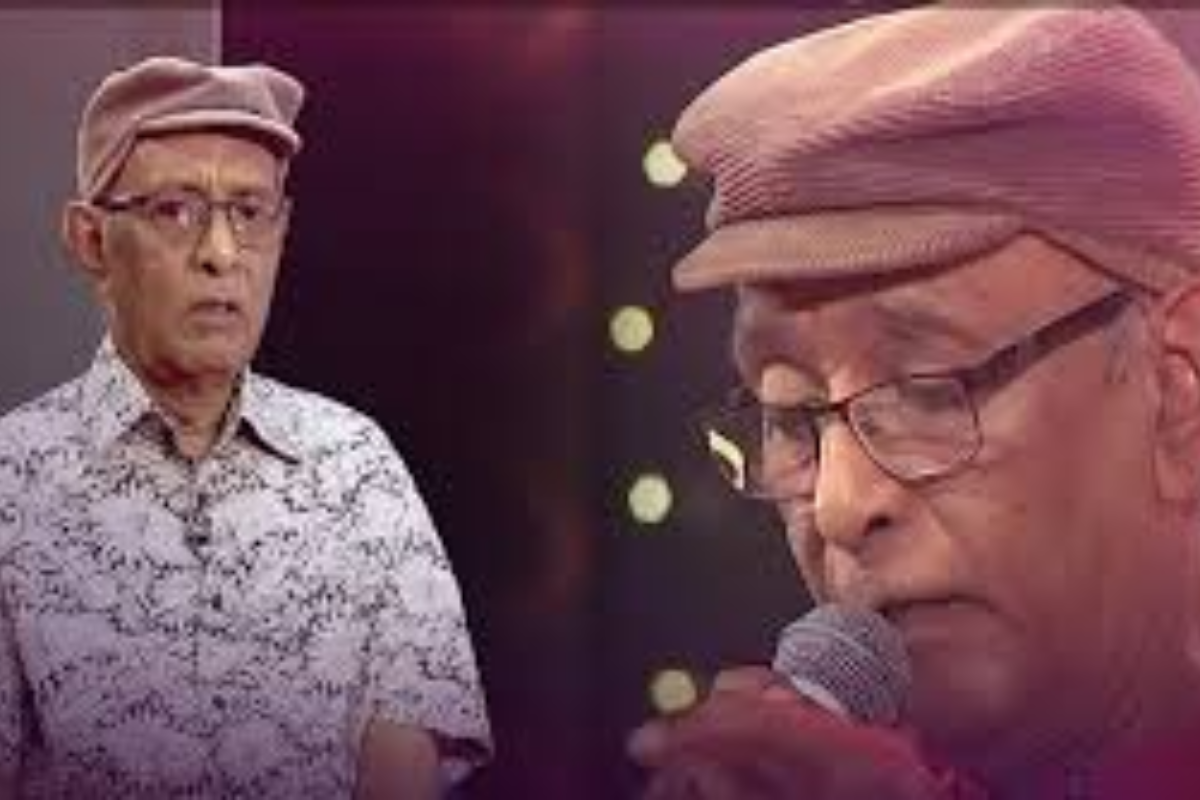
Malay Kumar Ganguly, a celebrated folk singer and a prominent voice of the 1971 Liberation War, has passed away at the age of 80. According to tabla maestro Pallab Senal, he died last night at 9:20 PM while undergoing treatment at the National Heart Foundation of Bangladesh in Dhaka.
Ganguly had been suffering from chronic heart and lung complications for several years. His body was placed in the cold storage facility of the National Heart Institute in Dhaka at 2:00 AM. His only daughter, who resides in Australia, is expected to arrive tonight, after which the family will finalise funeral arrangements.
During the Liberation War, Ganguly travelled to Kolkata and joined the Swadhin Bangla Betar Kendra, the clandestine radio station that played a pivotal role in inspiring freedom fighters and civilians alike. He delivered a memorable solo rendition of S.M. Abdul Gani Bokhari’s composition, “Ore O Bangali, ar kotokal thakbi ghume vhibhor?”, a song that became an anthem of resistance and hope for the Bangladeshi people.
| Film / Song | Notable Details |
|---|---|
| Putrobodhu – “Guru Upay Bolo Na” | Lip-synced with the late actor Probir Mitra; widely praised by audiences |
| Amar Mon To Boshe Na | Featured in multiple popular films; cemented his status as a leading playback singer |
| Jodi Rat Pohale Shona Jeto, Bangabandhu More Nai | Composed and performed by Ganguly; later famously sung by Sabina Yasmin |
Ganguly’s death prompted an outpouring of grief from fellow 1971 radio artists. Timir Nandi wrote on Facebook: “We are growing increasingly solitary with each passing day. This void cannot be filled. Wherever you are, may you rest in peace, Malay da. Your contributions to the nation will remain forever unforgettable.”
Born in 1946 in the village of Mozaffarpur in Kendua, Netrokona, Ganguly’s life was marked by a fusion of patriotic devotion and cultural dedication. From the revolutionary radio broadcasts of 1971 to popular Bengali cinema songs, his work reflected a deep love for his country and its people. His melodies, steeped in the spirit of freedom and folk tradition, have left an enduring legacy in Bangladesh’s musical and cultural history.
Malay Kumar Ganguly’s voice, whether resonating through the radio waves of a liberated nation or in the cinematic soundscapes of Bengali films, will continue to inspire generations. His contributions to music and national heritage ensure that his memory remains immortal.

Comments