Sunday, 5th April 2026

Khabor Wala Desk
Published: 7th August 2025, 2:27 PM
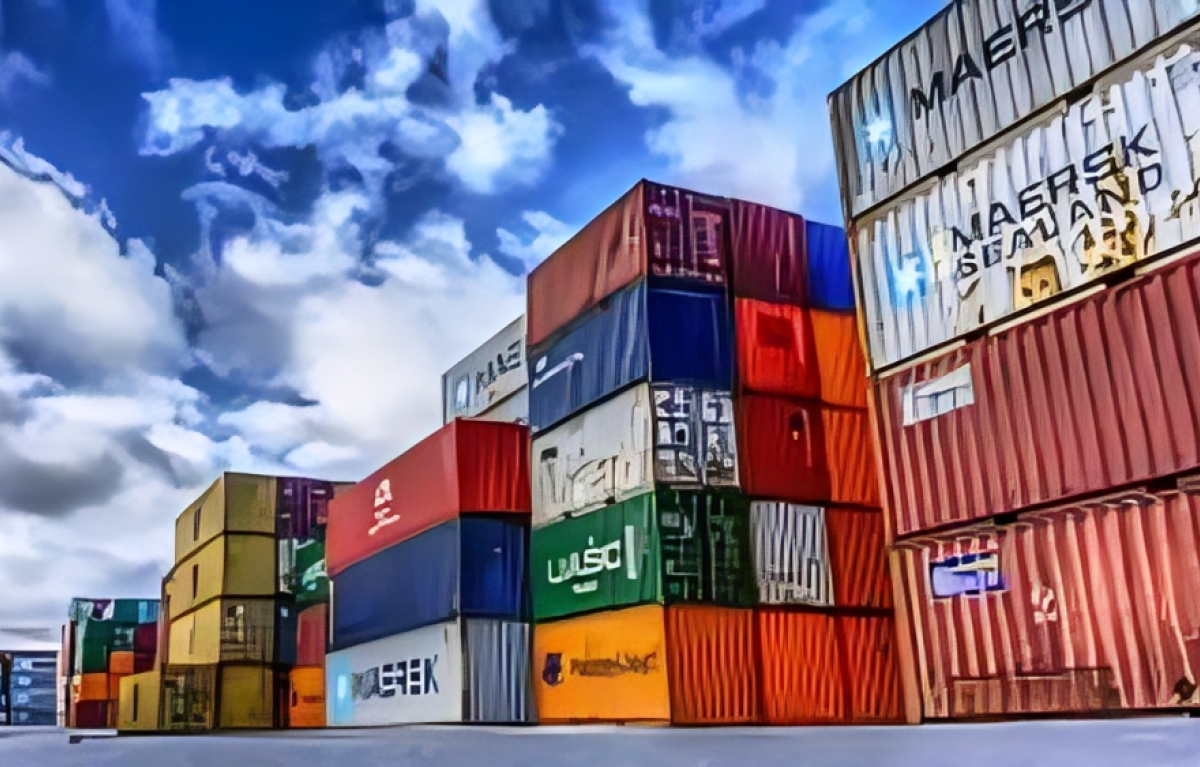
One year after the change of government following the fall of the fascist Hasina regime, the commodity market has undergone a significant transformation. It is now in a more stable condition, supported by ongoing reforms aimed at improving the ‘ease of doing business’.
Stable Market Performance Under Interim Government
Under the prudent leadership of the interim government, headed by Nobel Laureate Professor Muhammad Yunus, the commodity market has seen remarkable steadiness over the past year. This stability was especially evident during the two largest Muslim festivals, Eid-ul-Fitr and Eid-ul-Azha, thanks to enhanced monitoring by relevant agencies.
The Ministry of Commerce has played a pivotal role in ensuring adequate supply and curbing extortion across various levels.
Commerce Secretary Mahbubur Rahman told BSS that the market is in a much better and more stable state than the same period last year.
“The market situation is now stable over the last 12 months, and there is no such concern currently,” he said.
Strengthened Monitoring and Market Operations
The Ministry of Commerce has intensified its monitoring activities this year, deploying 28 teams continuously, compared to 12 teams last year. These operations have extended beyond divisional levels to district and upazila levels, ensuring stricter supervision.
Rahman emphasised that:
“Unless sufficient supply meets demand, market stability is difficult. Fortunately, supply was better this year alongside strict monitoring during Ramadan and Eid-ul-Azha.”
More than 400 monitoring teams operated this year, acting as a strong deterrent against price hikes.
Though there was a rice supply deficit between late June and early July, Rahman confirmed the situation has since improved, adding:
“I think there is no such concern now.”
Expansion of TCB and Support for Low-Income Groups
The Trading Corporation of Bangladesh (TCB) has gradually increased its coverage, benefiting approximately ten million family cardholders. Since not all beneficiaries have smartphones to access subsidised commodities via smart cards, district administrations have been assisting them.
Alongside regular TCB operations, ‘truck sales’ are planned to further support low-income groups.
Trade Reforms to Enhance Business Climate
Rahman highlighted reforms aimed at improving the ‘ease of doing business’, including amendments to import policy orders and simplifying certification and permit requirements.
“The country’s business community primarily conducts commerce; our role is to facilitate,” he stated.
A major reform underway is the establishment of commercial courts to address trade disputes more efficiently. A policy decision has been made, and a draft law is in preparation.
Initially, such courts will be set up in Dhaka and divisional centres, led by District and Sessions Judges, with plans for gradual expansion.
Progress in Trade Agreements
Bangladesh has signed bilateral agreements with Bhutan and participates in multilateral agreements. Negotiations are ongoing with Japan (Economic Partnership Agreement, EPA), Indonesia, the UAE, and Singapore.
Potential bilateral agreements are also being explored with the USA, Canada, the EU, Nigeria, and Australia.
Export Growth and Price Disparities
Exports are increasing despite global challenges. A Bangladesh team led by Commerce Adviser Sk. Bashir Uddin successfully negotiated tariff issues with the USA.
Regarding the gap between wholesale and retail prices, Rahman noted improvements due to government efforts reducing ‘unauthorised expenditure’ or extortion.
Expert Opinions on Market Challenges
Dr Monzur Hossain of the General Economics Division highlighted rising rice prices despite bumper Boro production. He urged the government to investigate potential market manipulation or supply-demand gaps to aid vulnerable populations.
Md Hafizur Rahman, FBCCI Administrator, remarked that the commodity market was unstable following the regime change last August but has stabilised with coordinated efforts from the Ministry of Commerce, FBCCI, and business community.
He acknowledged ongoing issues with supply and price fluctuations for essentials such as eggs, edible oil, and chicken, attributing these to factors including extreme heat.
Inflation Trends Reflect Market Stability
Analysing inflation data reveals the gradual improvement in market stability:
| Inflation Measure | July 2024 | May 2025 | June 2025 |
| General Point-to-Point Inflation | 11.66% (12-year high) | — | — |
| Food Inflation | 14.10% (13-year high) | 8.59% | 7.39% (2-year low) |
| Non-Food Inflation | — | 9.42% | 9.37% |
Point-to-point inflation declined in both rural and urban areas in June 2025, indicating easing price pressures.
The combination of strengthened market oversight, trade reforms, and economic management has contributed to a more stable commodity market and a gradual improvement in business conditions over the past year.




Comments