Sunday, 5th April 2026

Khabor Wala Desk
Published: 8th January 2026, 2:16 PM
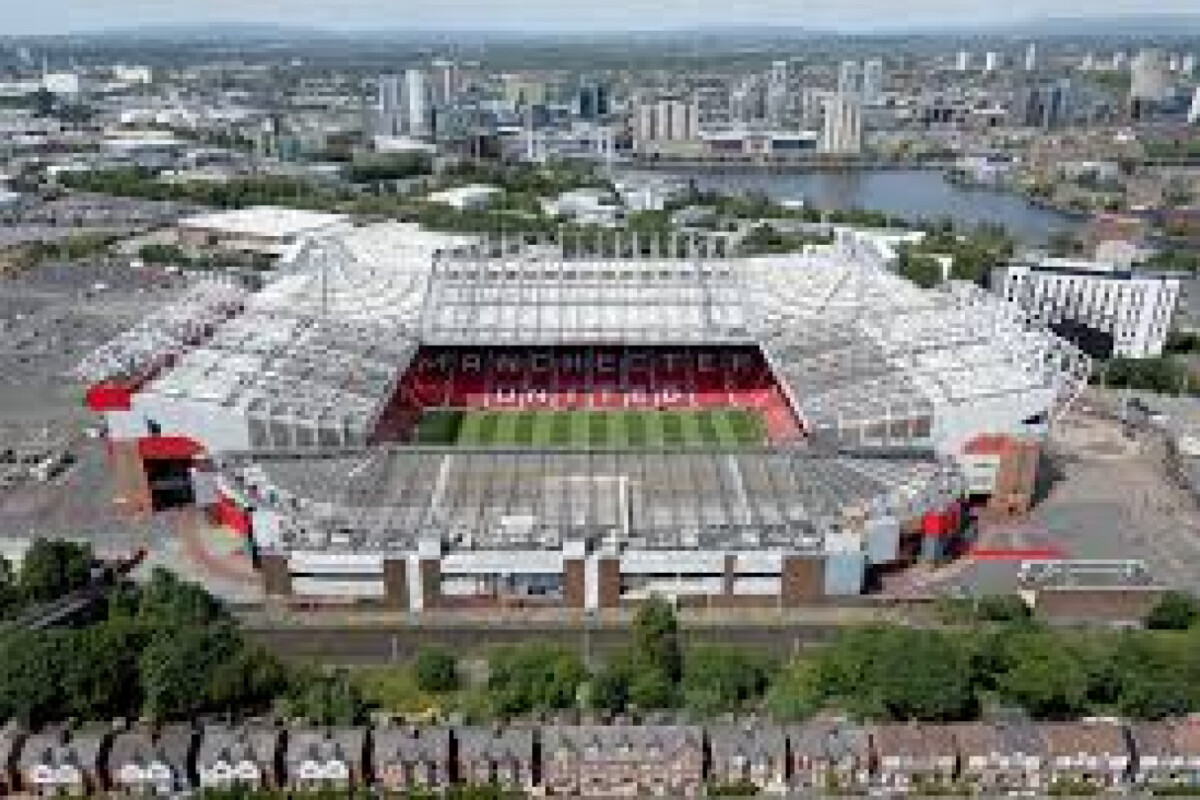
At Old Trafford, the iconic banner reading “The Impossible Dream” has long hung as more than mere decoration; it is a heartfelt tribute from supporters to the most triumphant era in the club’s illustrious history. Under the legendary Sir Alex Ferguson, Manchester United forged a golden age that remains the benchmark for ambition, passion, and success in the minds of fans worldwide.
Yet, more than thirteen years on from Ferguson’s retirement, the reality is stark: Manchester United has yet to fill the void left by its greatest ever manager. During Ferguson’s reign, United secured a record 13 Premier League titles. Since 2013, the club has been unable to lift the English top-flight trophy even once, highlighting the enduring challenge of maintaining supremacy in a rapidly evolving football landscape.
Succeeding a legend is never easy. At a club as globally scrutinised as Manchester United, the pressure multiplies exponentially. For many, the managerial post at Old Trafford has become a proverbial “poisoned chalice”—a role that promises relentless scrutiny, the looming threat of failure, and relentless instability.
The latest chapter in this tumultuous saga concluded on Monday, with Portuguese manager Rúben Amorim departing after a disappointing 14-month tenure. A combination of middling performances and a lack of clear direction ultimately forced the club’s hand. Stepping into the breach is another Scotsman: Darren Fletcher, former United midfielder and current head coach of the Under-18 squad, who will serve as interim manager.
Fletcher is set to take charge of Wednesday night’s fixture against Burnley, becoming the 11th permanent or interim manager at Old Trafford since Ferguson’s retirement. For Fletcher—who won five Premier League titles under Ferguson—the opportunity is both a source of immense pride and a formidable mental challenge.
Before assuming his new responsibilities, Fletcher reportedly sought the blessing of his former mentor. “I wanted his guidance,” Fletcher said. “He reminded me that working for Manchester United is one of the greatest responsibilities in football.” The 41-year-old described the recent days as “surreal,” admitting, “I never imagined I’d take charge of United under these circumstances. It isn’t an easy situation, but my job now is to lead the team.”
Manchester United faces a singular question: when will this cycle of managerial upheaval end? Will The Impossible Dream ever be realised again, or will Ferguson’s shadow continue to dominate every corner of Old Trafford?
| Manager | Tenure | Notes |
|---|---|---|
| David Moyes | 2013–2014 | Replaced Ferguson; sacked early |
| Ryan Giggs (Interim) | 2014 | Brief caretaker role |
| Louis van Gaal | 2014–2016 | Won FA Cup; inconsistent league form |
| José Mourinho | 2016–2018 | Won Europa League & League Cup |
| Ole Gunnar Solskjær | 2018–2021 | Reached Champions League final |
| Michael Carrick (Int) | 2021 | Interim after Solskjær |
| Ralf Rangnick (Int) | 2021–2022 | Short-term appointment |
| Erik ten Hag | 2022–2023 | First season challenges |
| Rúben Amorim | 2024–2025 | 14-month tenure; departed early |
| Darren Fletcher (Int) | 2026–Present | Current interim manager |



Comments