Sunday, 5th April 2026

Khabor Wala Desk
Published: 7th January 2026, 10:51 AM
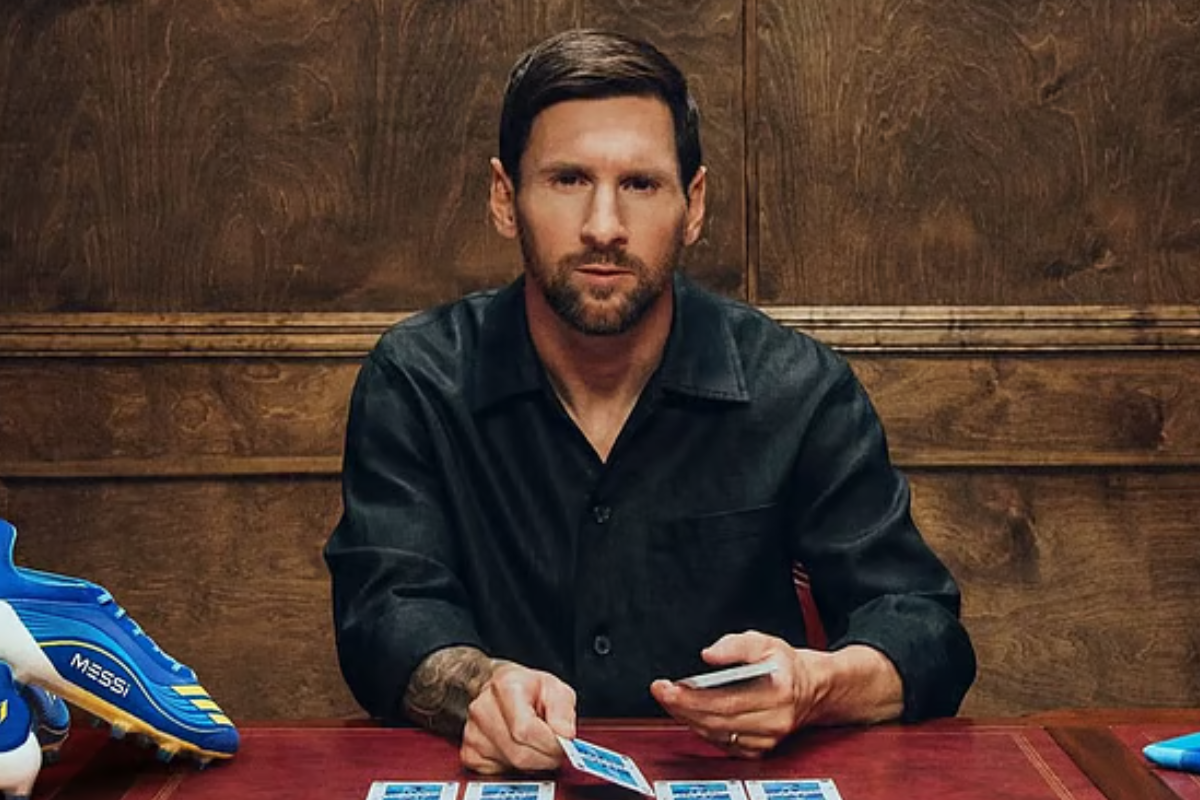
Lionel Messi’s football career today appears almost flawless, a tapestry woven with trophies, records and moments of brilliance that few players in history can rival. At club level, he has collected virtually every major honour available, while with Argentina he has conquered the ultimate prize, the FIFA World Cup, alongside multiple Copa América titles. Yet behind this extraordinary success lies a lesser-known chapter—one marked by profound despair, when Messi himself admitted he felt he “wanted to die”.
The revelation came in a recent interview with Argentina’s streaming platform Luzu TV, recorded last month and released shortly afterwards. In it, the Argentine icon reflected candidly on a night nearly a decade ago that pushed him to his emotional limits: the 2016 Copa América final against Chile. Played in New Jersey, the match ended goalless after extra time before Argentina suffered defeat on penalties. Messi, burdened with expectation, missed his spot-kick, a moment that would haunt him deeply.
That loss was particularly cruel. It marked Argentina’s second consecutive Copa América final defeat, following a similar penalty shoot-out loss to Chile in 2015. The criticism directed at Messi intensified, with many questioning his legacy at international level and accusing him of failing to deliver silverware for his country. Overwhelmed by disappointment and public pressure, Messi made the shock decision to announce his retirement from international football shortly after the final.
Months later, however, he reversed that decision. What followed has since become one of the most remarkable redemption arcs in modern sport. Messi returned to the national team with renewed resolve, eventually leading Argentina to Copa América glory in 2021, another continental triumph in 2024, and the crowning achievement of his career—the 2022 World Cup in Qatar.
Reflecting on that painful period, Messi admitted the depth of his anguish. He spoke of overwhelming regret and a sense of emotional collapse, yet also of the importance of perseverance. Ignoring the noise of criticism, he chose to follow his inner conviction, believing that true fulfilment lies in knowing one has done everything possible to achieve a dream.
| Year | Tournament | Result | Significance |
|---|---|---|---|
| 2014 | World Cup | Runners-up | First World Cup final |
| 2015 | Copa América | Runners-up | Penalty shoot-out defeat |
| 2016 | Copa América | Runners-up | Retirement announcement |
| 2021 | Copa América | Champions | First major international title |
| 2022 | World Cup | Champions | Career-defining triumph |
| 2024 | Copa América | Champions | Consolidation of legacy |
At 38, Messi’s mantra of never giving up resonates more strongly than ever. Childhood health challenges, early international frustrations and crushing defeats never extinguished his determination. Although retirement now looms on the horizon, Messi has not yet confirmed whether he will feature at the 2026 World Cup, though the possibility remains open.
What is clear is that life after football will not follow the conventional coaching route. Messi has expressed a stronger desire to build and own a club, focusing on nurturing young talent from the ground up. Already, alongside long-time friend Luis Suárez, he has co-founded Deportivo LSM in Uruguay’s fourth division, a project employing dozens of professionals and supporting thousands of members.
From a night of despair to a legacy of triumph, Messi’s story stands as a powerful reminder that even the greatest careers are forged not only in victory, but in resilience after defeat.


Comments