Monday, 6th April 2026

Khabor Wala Desk
Published: 17th March 2026, 1:11 PM
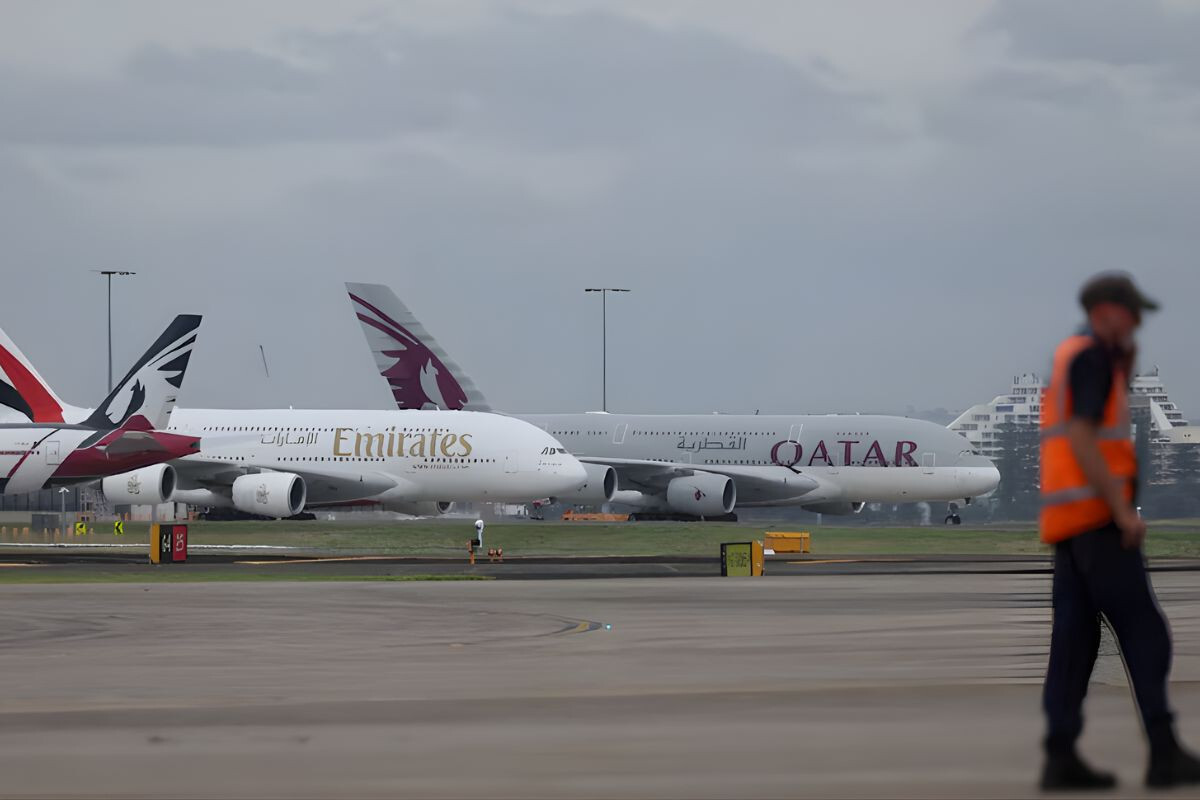
Amid escalating tensions in the Middle East, travellers planning trips through the region face growing uncertainty. While some airlines continue to operate flights from hubs such as the United Arab Emirates and Qatar, capacity has been significantly reduced, leaving passengers concerned about potential disruptions and insurance coverage.
Most standard travel insurance policies explicitly exclude coverage for acts of war or armed conflict. As soon as the Australian Government’s Smartraveller issues a “do not travel” advisory for a country, any claims related to journeys through that region are generally invalid.
A spokesperson from the Insurance Council of Australia explained:
“War and armed conflict are standard exclusions in most travel insurance policies worldwide, as the scale and unpredictability of these events make them extremely difficult to price.”
It is important to note that these exclusions typically do not affect the portion of your policy already used for completed travel.
Travellers are advised not to cancel tickets proactively. Doing so is considered a “change of mind” and can result in loss of consumer rights, including refunds, travel credits, or re-booking options.
Travel agents and experts recommend waiting for official airline announcements before making any cancellations.
| Airline | Coverage Window | Policy Details |
|---|---|---|
| Emirates | Until 31 March | Full refunds if flight cancelled or passenger opts not to travel |
| Qatar Airways | 28 Feb – 28 Mar | Full refunds or free re-booking for unused ticket value |
| Etihad Airways | 28 Feb – 21 Mar | Full refund or free re-booking available until 15 May |
| Lufthansa, British Airways, United, Singapore Airlines, Wizz Air | Affected flights until 15 Mar | Full refunds or free re-booking |
| Qantas | Ongoing | Perth–London QF9 service continues via Singapore due to restricted airspace |
Anna Shannon, CEO of Travel Agent Finder, advised passengers to contact their booking agent directly.
“Airlines typically prioritise travellers departing soon, so it is often best to wait for official guidance.”
Dean Long, CEO of the Australian Travel Industry Association, noted that the three main Middle Eastern carriers are actively reviewing and extending refund windows daily. However, additional travel expenses incurred to reach final destinations are usually not included.
It is still advisable to purchase travel insurance, but coverage for the Middle East conflict itself is unlikely. Insurance protects against unforeseen events such as medical emergencies, accidents, theft, or lost luggage. Losses arising from widely reported events before policy purchase fall under a “known event” exclusion.
Avoid panic cancellations: Wait for airline updates to preserve refund and re-booking rights.
Explore alternative routes: Consider travel via Asia or North America.
Book flexible fares: Choose tickets with cancellation or re-booking options.
Prioritise refundable accommodation.
Use accredited travel agents for professional guidance.
Stay informed: Monitor airline updates, DFAT advisories, and Smartraveller alerts.
“For most travellers, the window for Middle East-related insurance claims has already closed,” said Dean Long.
By understanding airline policies and the limits of travel insurance, Australians can make informed decisions while navigating these uncertain times.




Comments