Sunday, 5th April 2026

Khabor Wala Desk
Published: 16th March 2026, 9:17 AM
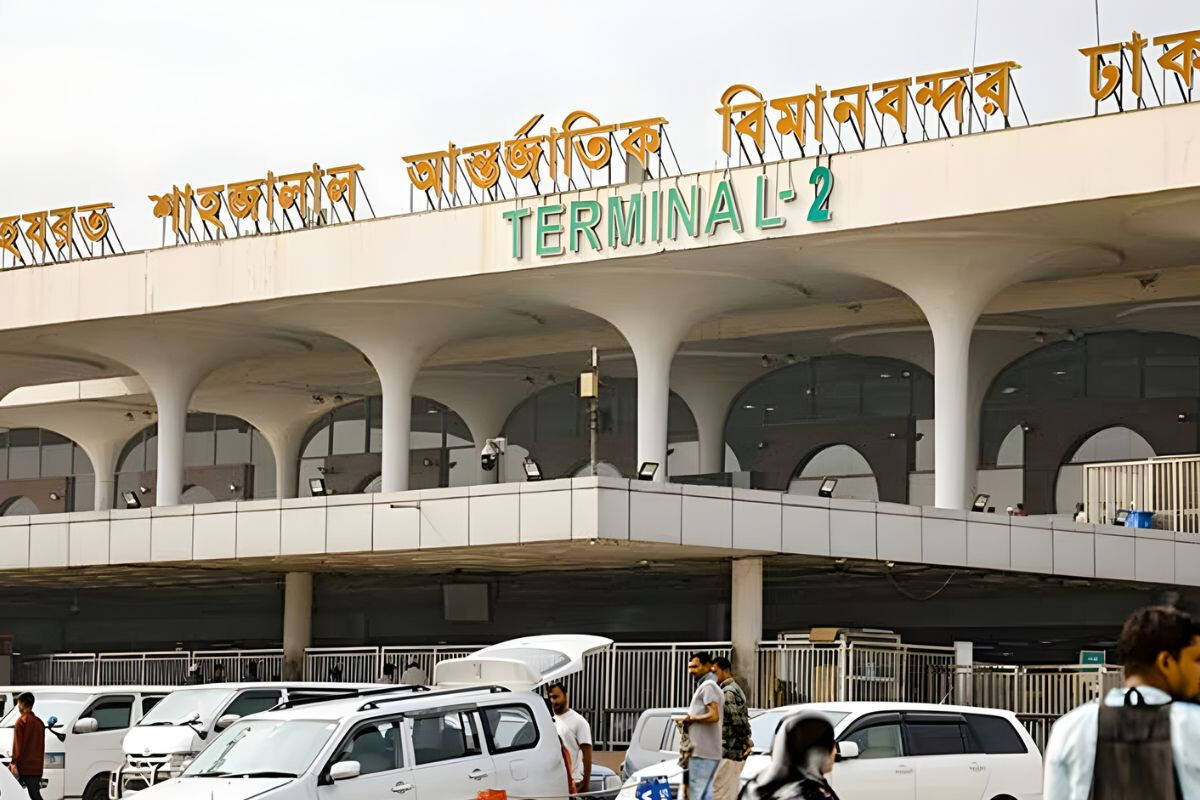
The escalating conflict in the Middle East has caused significant disruption to international air travel, with airlines forced to cancel hundreds of flights to and from the region. Countries including Iran, Iraq, Kuwait, the United Arab Emirates, Bahrain, Qatar, and Jordan have closed their airspace, directly impacting operations at Dhaka’s Hazrat Shahjalal International Airport.
According to airport authorities, a total of 528 international flights were cancelled between 28 February and 16 March due to the airspace restrictions. The cancellations have affected both passenger and cargo services, stranding thousands of travellers and causing logistical challenges for airlines operating in the region.
Officials noted that the cancellations began on 28 February, with 23 flights affected on the first day. The trend continued steadily over the following weeks as regional tensions escalated. Airlines have been rerouting flights around restricted airspace where possible, but many routes have been entirely suspended to ensure passenger safety.
The daily breakdown of flight cancellations from Hazrat Shahjalal International Airport is as follows:
| Date | Number of Flights Cancelled |
|---|---|
| 28 February | 23 |
| 1 March | 40 |
| 2 March | 46 |
| 3 March | 39 |
| 4 March | 32 |
| 5 March | 36 |
| 6 March | 34 |
| 7 March | 28 |
| 8 March | 28 |
| 9 March | 33 |
| 10 March | 32 |
| 11 March | 27 |
| 12 March | 28 |
| 13 March | 25 |
| 14 March | 26 |
| 15 March | 23 |
Authorities at the airport emphasised that the cancellations are temporary and primarily driven by safety concerns amid the regional conflict. Passengers travelling to affected destinations have been advised to contact their airlines for updated schedules and alternative travel arrangements.
The prolonged disruption has also impacted cargo operations, with delays reported in shipments of essential goods and commercial supplies. Airlines are reportedly considering additional rerouting options, but the uncertainty surrounding Middle Eastern airspace closures continues to challenge the aviation sector.
Experts warn that if tensions escalate further, additional cancellations could occur, potentially affecting more international connections through South Asia. Meanwhile, travel agencies and airlines are working to minimise inconvenience for passengers and ensure safety remains the top priority.



Comments