Sunday, 5th April 2026

Khabor Wala Desk
Published: 28th September 2025, 8:43 AM
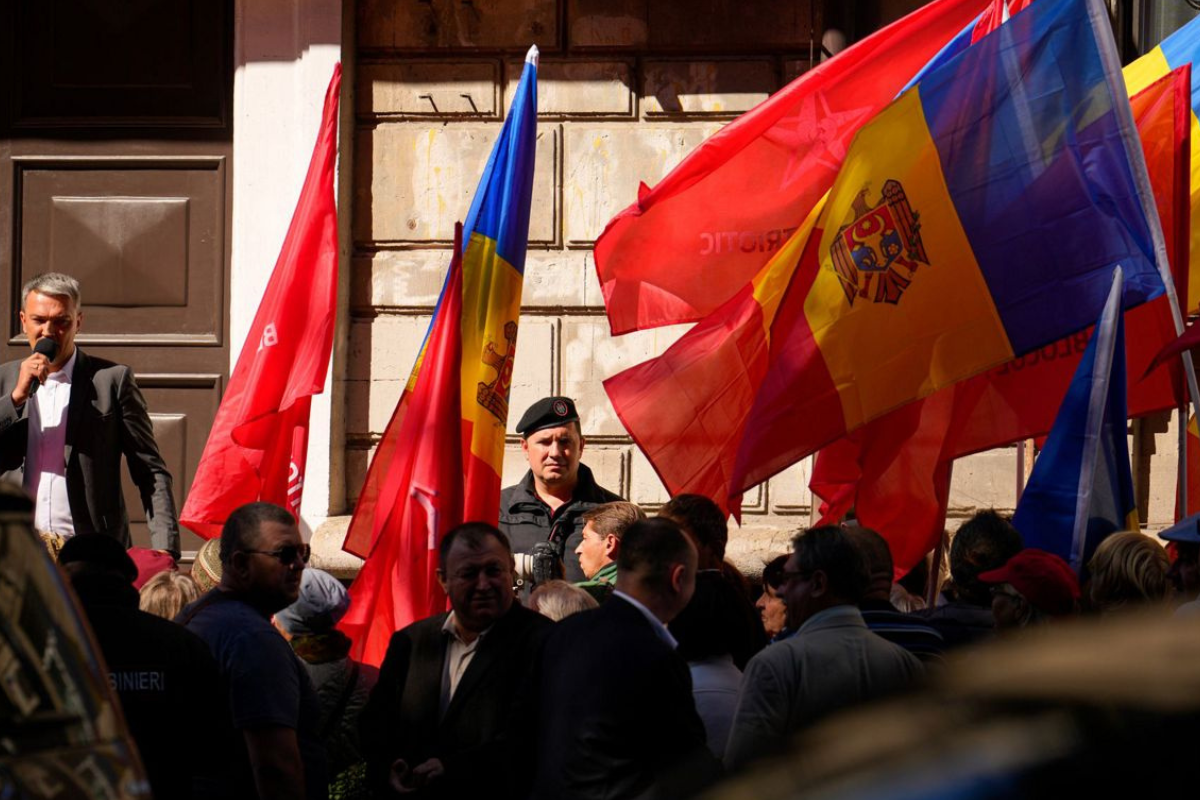
Moldovans began voting on Sunday in parliamentary elections that could pivot the country, which neighbours Ukraine, away from its pro-European trajectory and closer to Moscow. Both the government and the European Union have accused Russia of “deeply interfering” in the electoral process.
Moldova, an EU candidate country, has long been divided between closer integration with Brussels or maintaining traditional Soviet-era ties with Moscow.
Most opinion polls indicate that the pro-EU Party of Action and Solidarity (PAS), in power since 2021, is leading. However, analysts caution that the outcome remains far from certain.
“Its outcome will decide whether we consolidate our democracy and join the EU, or whether Russia drags us back into a grey zone, making us a regional risk,” Sandu wrote on X on Friday.
The EU has warned of “an unprecedented campaign of disinformation” from Russia, while Prime Minister Dorin Recean described the situation as a “siege on our country”. Moscow has denied these allegations, rejecting claims that it is buying votes or stirring unrest.
In turn, Moldova’s largely pro-Russian opposition has accused PAS of planning electoral fraud.
With a population of 2.4 million, one of Europe’s poorest countries, Moldovans have expressed frustration over economic hardships and scepticism regarding EU integration, which accelerated after Russia’s invasion of Ukraine in 2022.
Tudor Soilita, a 33-year-old blogger at a pro-Russian Patriotic Bloc rally in Chisinau, said: “We must strive to serve the interests of Moldovans… We must preserve our identity, our freedom, and our family traditions.”
A defeat for PAS, which won a majority in the previous parliamentary elections, could hinder Moldova’s path towards the EU.
Olga, a pensioner who returned from abroad to vote, said at a PAS rally: “I hope PAS wins and we go to Europe.”
The rally in the capital saw supporters chanting “We want to be in Europe” and “My country is not for sale”.
In the lead-up to the vote, prosecutors carried out hundreds of searches relating to what the government calls “electoral corruption” and “destabilisation attempts”, making dozens of arrests.
The government claims the Kremlin is spending hundreds of millions of euros in “dirty money” to influence the elections.
Prime Minister Recean told AFP:
“These are the most important elections since the Republic of Moldova became independent in 1991. It’s the biggest effort we’ve seen.”
According to Igor Botan, head of Moldovan think tank Adept: “Foreign interference and the threat of unrest are the most significant risks. We’ve never seen such phenomena in our electoral campaigns before.”
Turnout will be a decisive factor, particularly among the diaspora, which typically votes PAS, and in the breakaway region of Transnistria, which leans pro-Russian.
Some 20 political parties and independent candidates are contesting the 101 parliamentary seats.
Former President Igor Dodon, a leader of the pro-Russian Socialist Party, said: “I am convinced the opposition will have a majority. We will continue negotiations with the EU, but also re-establish relations with the Russian Federation.”
Dodon also accused the current government of authoritarianism, claiming it “violates democratic norms under the EU cover” and accused PAS of attempting to manipulate the vote.
Analyst Igor Botan noted: “The result is very difficult to predict. Post-election negotiations to form a governing alliance are highly likely, and the situation remains unclear.”
Sources: AFP, NDTV, Reuter



Comments