Sunday, 5th April 2026

Khabor Wala Desk
Published: 7th November 2025, 12:04 PM
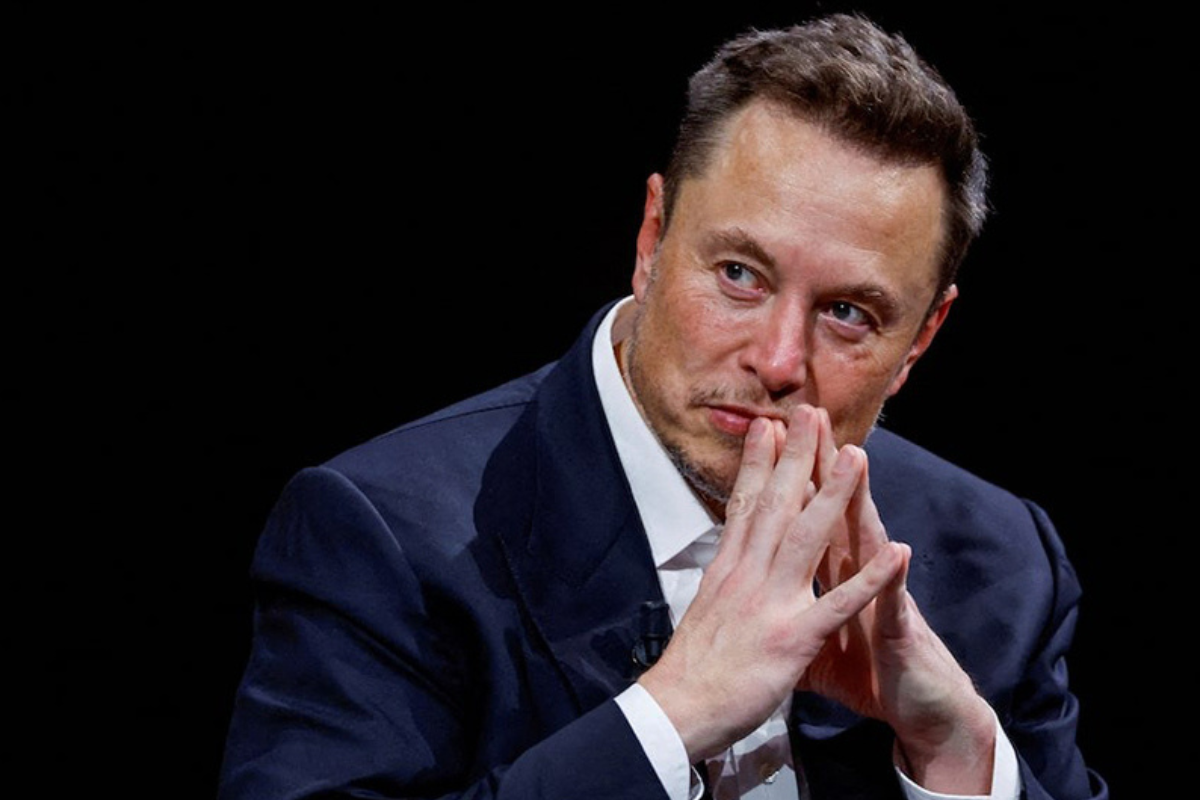
Tesla chief executive Elon Musk has won shareholder backing for the largest corporate compensation package in history, as investors endorsed his vision to transform the electric car company into a global leader in artificial intelligence and robotics.
The proposal passed with over 75 per cent support at Tesla’s annual meeting in Austin, Texas, where Musk took to the stage to cheers, flanked by dancing robots.
Already the world’s richest person, Musk could receive as much as $1 trillion (£880 billion) in stock over the next decade. After required deductions, the package’s net value stands at approximately $878 billion.
The vote is widely seen as pivotal for Tesla’s future and valuation, which hinge on Musk’s ambitions to produce self-driving vehicles, launch a robotaxi network across the United States, and market humanoid robots. This comes despite Musk’s increasingly polarising political statements affecting the company’s brand over the past year.
Tesla’s board warned that Musk might leave if the deal were rejected. While some investors criticised the package as excessive, others argued it was essential to retain Musk and ensure shareholders benefit from the performance-based structure.
“What we are about to embark upon is not merely a new chapter in Tesla’s future, but a whole new book,” Musk told an enthusiastic crowd.
Bold Plans Unveiled
During his address, Musk outlined a series of ambitious pledges, including the launch of the “Cybercab”, a two-seater, steering-less robotaxi, in April, and the unveiling of Tesla’s next-generation Roadster sports car. He also announced plans for a “gigantic chip fab” to produce AI chips and hinted at potential collaboration with Intel.
Shareholders re-elected three board members, voted for annual elections for all directors, and approved a replacement pay plan for Musk’s previous package currently tied up in court.
“Other shareholder meetings are like snoozefests, but ours are bangers,” Musk joked. “I mean, look at this. This is sick.”
Investors also approved Tesla investing in Musk’s AI start-up, xAI, although many abstained. Jessica McDougall, partner at governance advisory firm Longacre Square, suggested this reflected hesitancy among large investors, who seek “assurances and convictions that there are guardrails in place to ensure there’s not too much mixing of businesses.”
Shareholder Support and Opposition
Musk’s victory was largely anticipated, particularly as he was allowed to vote his 15 per cent stake following Tesla’s relocation from Delaware to Texas. Without Musk’s influence, the support margin would normally trigger a review of CEO pay, according to Jessica Strine, chief executive of Jasper Street Partners.
Some major investors, including Norway’s sovereign wealth fund and proxy advisory firms Glass Lewis and Institutional Shareholder Services, opposed the plan.
The approval eases concerns that Musk might shift his focus to other ventures, such as SpaceX or xAI. The board and supporters argue that the performance-based package ultimately benefits shareholders, as Musk must meet specific milestones before receiving any payments.
“If completed, these tranches of awarded shares would follow strong improvements in revenue growth for Tesla,” said Brian Mulberry, senior client portfolio manager at Zacks Investment Management. “Will the growth offset these concerns about dilution – or is this just giving Elon his wish of enough influence to shape the future of AI? That remains to be seen.”
Ambitious Targets
Over the next decade, Musk’s goals include:
To unlock the full payout, Tesla’s market value must rise from $1.5 trillion to $2 trillion, and eventually to $8.5 trillion. Each operational or valuation milestone earns Musk an additional 1 per cent of Tesla stock, meaning he could still receive tens of billions even if some targets are missed.
If all goals are achieved, Musk would obtain a 12 per cent stake worth about $1 trillion, with a net value of roughly $878 billion, excluding the stock’s original value at the board’s September approval. Musk could either receive the full amount in cash or accept fewer shares accordingly.
The total value will fluctuate with Tesla’s share price. Musk has emphasised that his primary motivation is not financial, but to secure greater voting power as he prepares to “build a robot army.”
Comments