Sunday, 5th April 2026

Khabor Wala Desk
Published: 4th February 2026, 5:20 AM
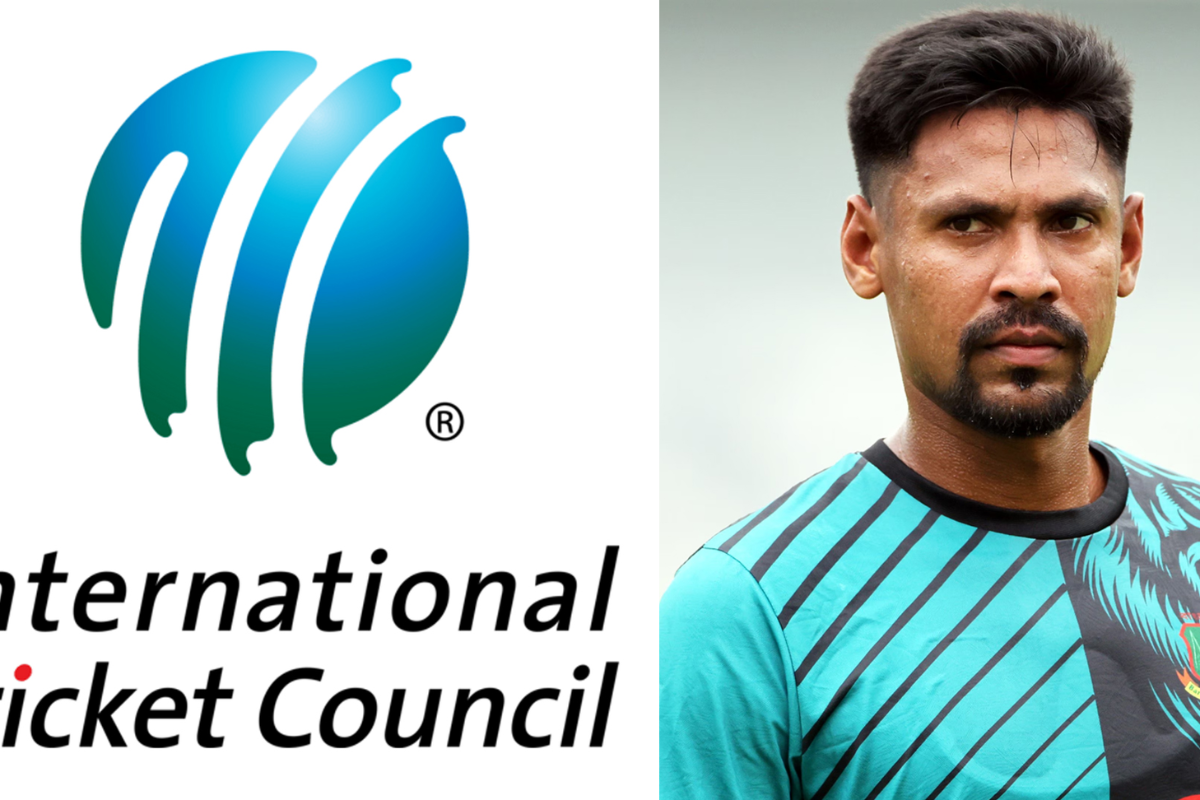
The decision by Kolkata Knight Riders (KKR) to release Bangladesh pacer Mustafizur Rahman shortly after signing him has triggered a major cricketing controversy, affecting relations between Bangladesh and India. Following Mustafizur’s exclusion from the squad, Bangladesh announced a boycott of the T20 World Cup 2026, scheduled to be held across India and Sri Lanka.
In solidarity, Pakistan initially threatened to boycott the entire tournament, but later clarified that they would only skip matches against India. The ripple effects of Mustafizur’s removal have created significant financial repercussions for both the Board of Control for Cricket in India (BCCI) and the International Cricket Council (ICC).
KKR had signed Mustafizur for ₹9.2 crore, but political pressure soon forced them to release him, resulting in a total financial loss to the player. However, the subsequent boycott by Bangladesh and Pakistan’s partial boycott have caused losses for BCCI and ICC that far exceed the player’s salary, highlighting the high stakes of commercial cricket.
The combined market value of the India–Pakistan match alone is estimated at around $50 million (~৳6,120 crore), factoring in broadcast rights, advertising revenue, sponsorship, ticket sales, and other commercial activities. According to NDTV, advertisements for the India–Pakistan fixture are sold at ₹25–40 lakh per 10 seconds, generating approximately ₹300 crore in revenue from a single match. The cancellation of the match therefore directly affects broadcasters and advertisers who have invested heavily in ICC’s rights.
The tournament’s global broadcaster, GeoStar, has already requested refunds from ICC due to anticipated losses. Each match in the World Cup is internally valued at roughly ₹138.7 crore, making the financial stakes enormous.
Bangladesh Cricket Board also faces severe financial setbacks due to its boycott. According to PTI, the country is expected to lose $2.7 million (~৳330.21 crore) in potential earnings from the T20 World Cup if they do not participate. The exclusion of Mustafizur, therefore, has a domino effect, impacting not just players but entire cricket boards and international tournaments.
| Category | Estimated Loss (৳) | Description |
|---|---|---|
| Mustafizur’s individual salary | 9.2 crore | Payment lost due to KKR releasing him |
| India–Pakistan match | 6,120 crore | Broadcast rights, ads, sponsorship, ticket sales |
| Bangladesh’s T20 World Cup income | 330.21 crore | Lost potential revenue from boycott |
| Value per World Cup match | 138.7 crore | ICC internal valuation per match |
This sequence of events illustrates how a single player’s exclusion can escalate into multi-crore losses for cricket boards and ICC, revealing the intertwined nature of politics, sport, and commerce in modern cricket. The Mustafizur controversy has underscored the financial and diplomatic risks inherent in high-profile tournaments like the T20 World Cup.

Comments