Sunday, 5th April 2026

Khabor Wala Desk
Published: 18th August 2025, 12:38 PM
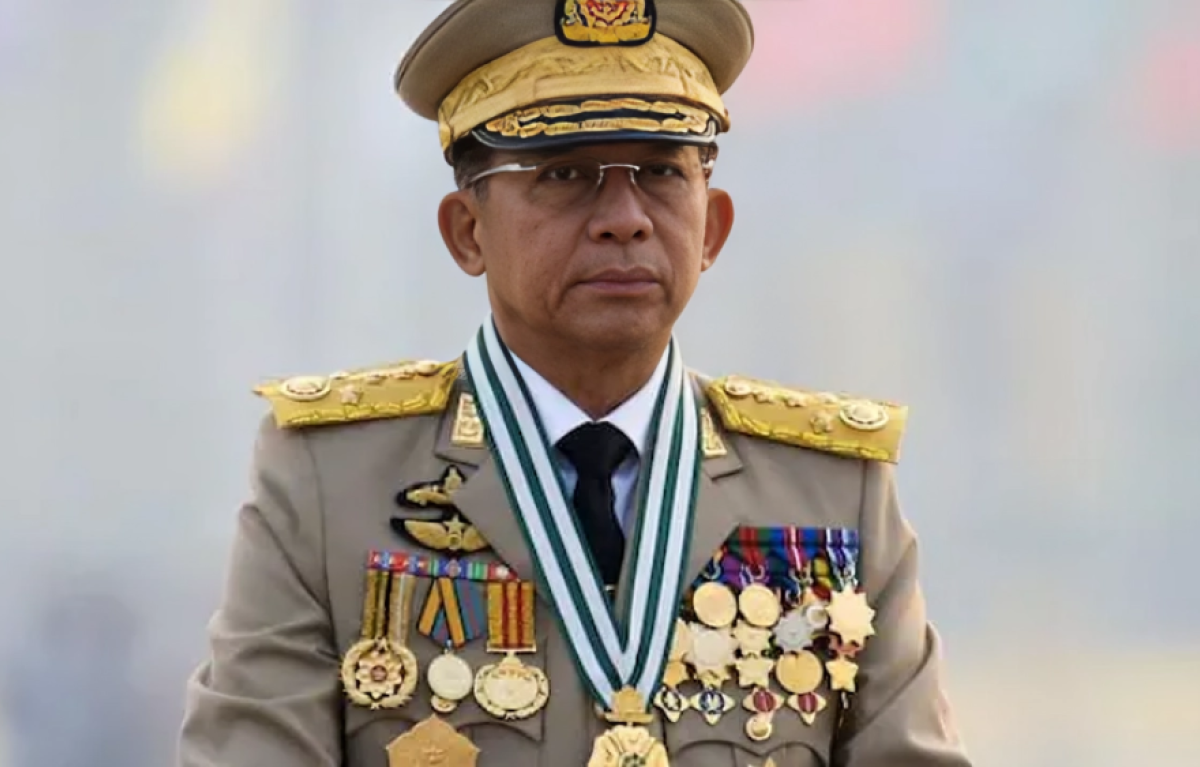
Myanmar’s long-promised national election has been scheduled for 28 December, according to an official statement released on Monday by the country’s Union Election Commission, under the authority of the ruling military junta.
The announcement comes at a time when Myanmar is engulfed in a bloody civil war, widespread political turmoil, and fierce resistance from opposition forces. International observers and analysts have dismissed the election as a “sham”, designed to legitimise military rule rather than restore democracy.
In February 2021, Myanmar’s military ousted the elected government of pro-democracy leader Aung San Suu Kyi, alleging electoral fraud—an accusation for which it provided no credible evidence. Following the coup, nationwide protests escalated into armed conflict, with multiple regions now outside the junta’s control.
A resident of western Rakhine State remarked: “This election is being held solely to keep the military dictators in power. It holds no importance for the people.”
The 63-year-old declined to disclose his name citing security concerns.
Meanwhile, the United Nations experts have branded the vote as a farce, warning it is merely an attempt to provide fresh legitimacy to prolonged military rule.
Myanmar’s Ongoing Crisis:
| Indicator | Estimate |
| Civilian Deaths Since Coup | Thousands |
| Newly Impoverished Population | Over 50% of citizens |
| Internally Displaced | More than 3.5 million |
| Population Count Missing in 2024 Census | 19 million (out of 51 million) |
Despite widespread scepticism, the junta insists that elections are the only path to peace, urging opposition groups to lay down arms. To encourage disarmament, the military has even offered cash rewards for surrendering weapons.
A displaced woman from Mandalay region voiced cautious hope: “We want stability to return to the country. If elections can make the nation more peaceful, then we wish to take part.”
Pro-democracy icon Aung San Suu Kyi remains imprisoned, while many ousted lawmakers have declared they will boycott the election.
In July 2025, the junta introduced a sweeping new law:
Initially, anti-junta forces struggled to mount effective resistance. However, by late 2023, coordinated rebel offensives enabled them to seize swathes of territory.
The junta retaliated with:
The junta-controlled Union Election Commission confirmed: “On Sunday, 28 December, the first phase of multi-party democratic general elections for all parliamentary seats will begin. Subsequent phases will be announced later.”
Nevertheless, conflict observers warn that the polls may provoke further violence and instability across Myanmar.
Source: AFP


Comments